
EMI Loading
Toyota Hilux Key Specifications
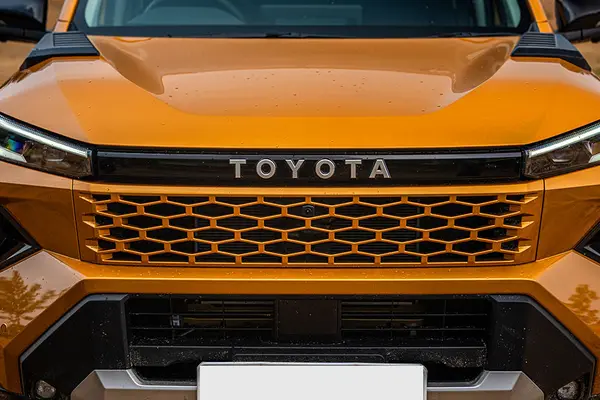
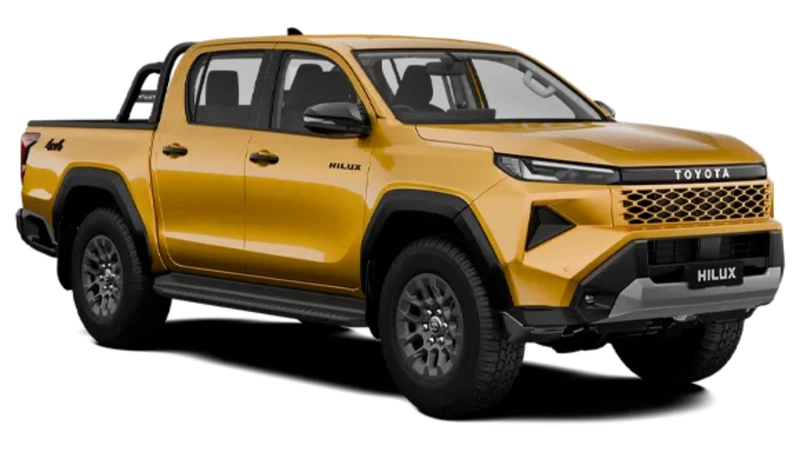
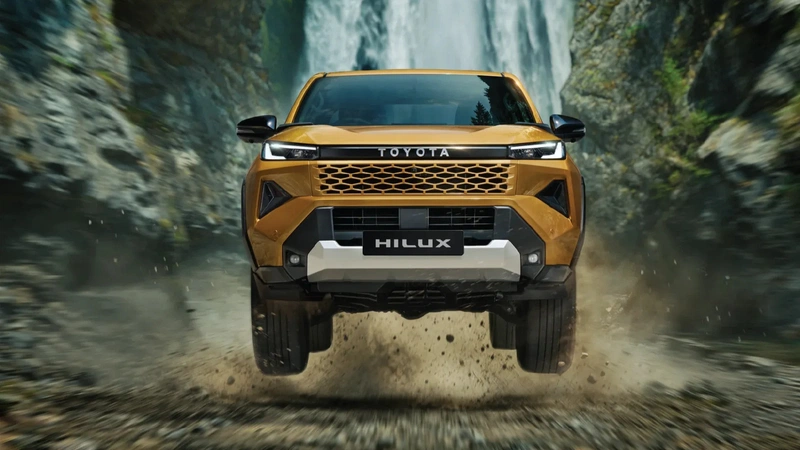
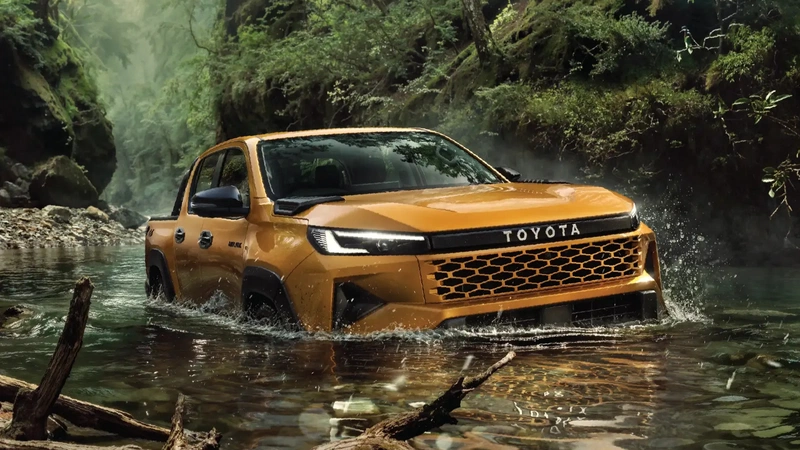
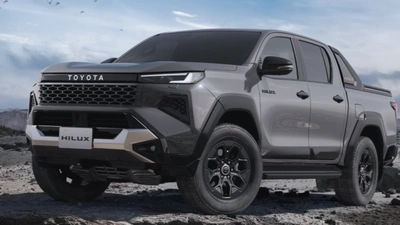
The new Hilux gets a new front end with a hexagonal-pattern grille.
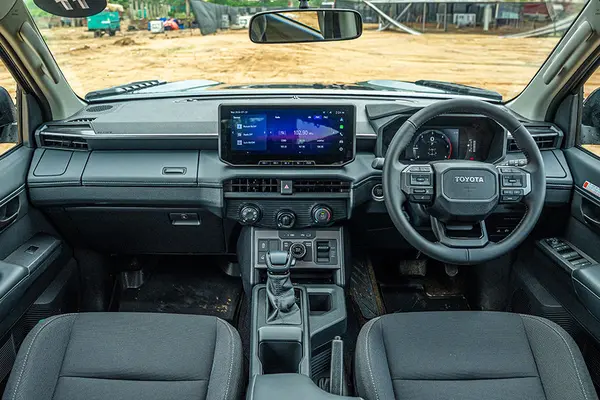
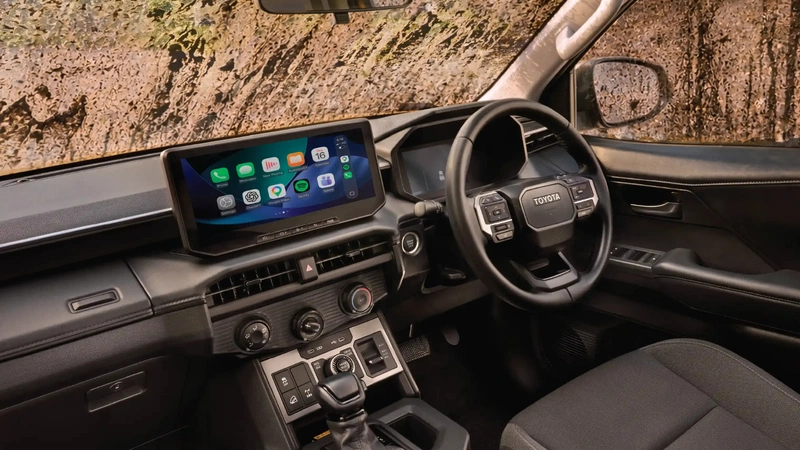
It features a modern dashboard with two 12.3-inch displays.
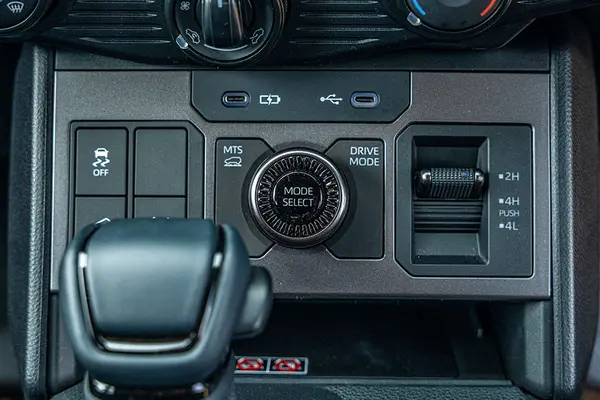
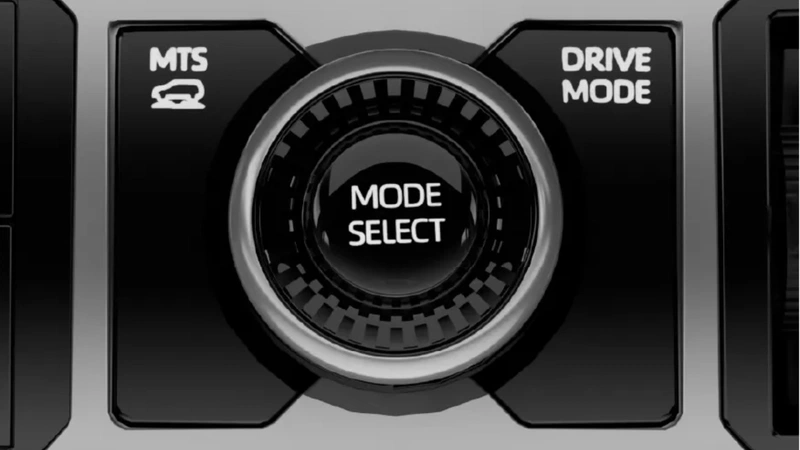
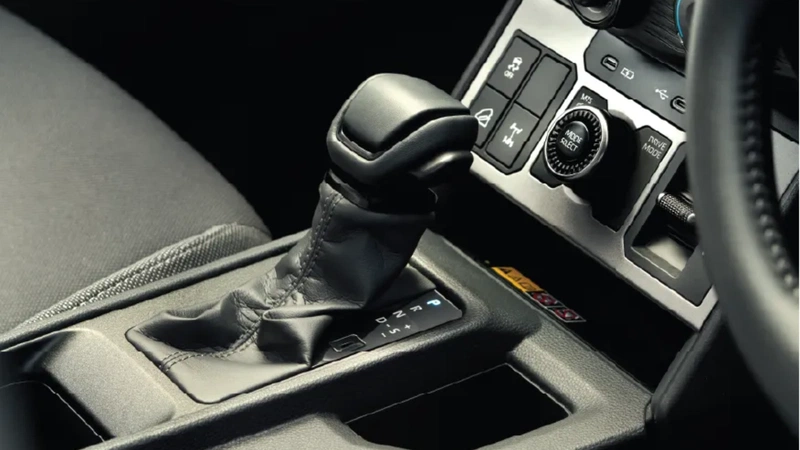
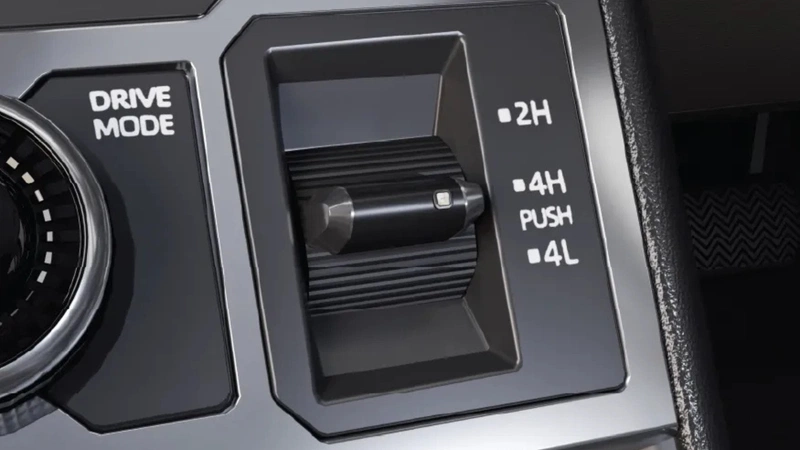
Its drive modes, terrain selection, and 4WD functionalities can be managed via switches on the centre console.
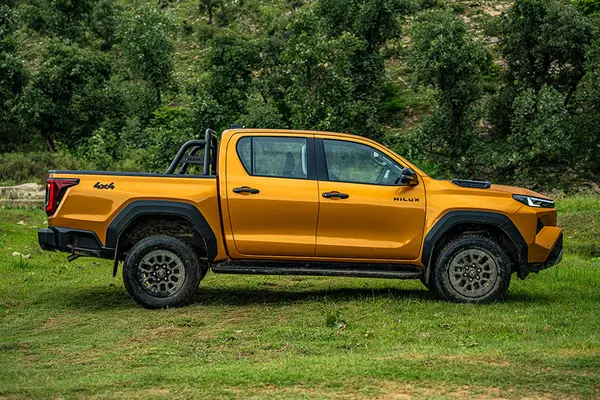
It can be had in both 4x2 and 4x4 drivetrain configurations.
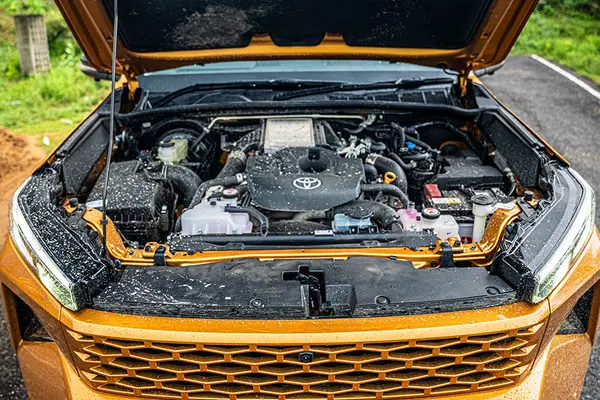
It continues to be powered by a 2.8-litre turbo-diesel engine making 201bhp/500Nm.
Toyota Hilux Overview

The ninth-generation Toyota Hilux finally drops its manual gearbox. Instead, the familiar 2.8-litre four-cylinder diesel, producing 204 PS and 500 Nm, now pairs exclusively with a smooth 6-speed torque-converter automatic. It is offered in three variants, namely GX 4x2 AT, GX 4x4 AT, and VX 4x4 AT.
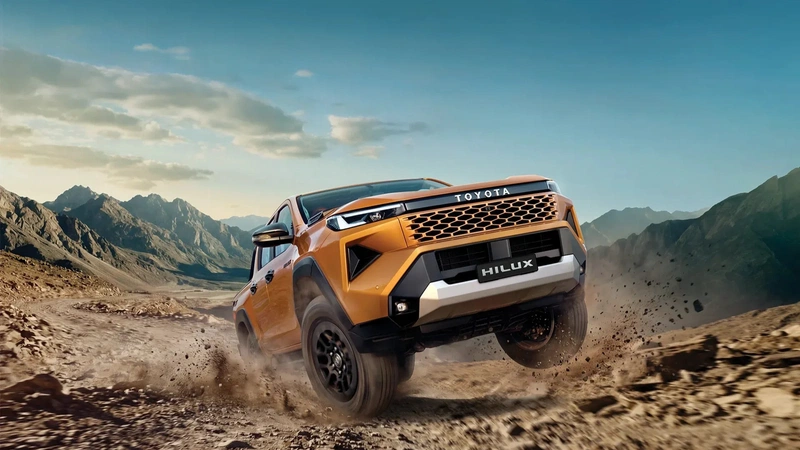
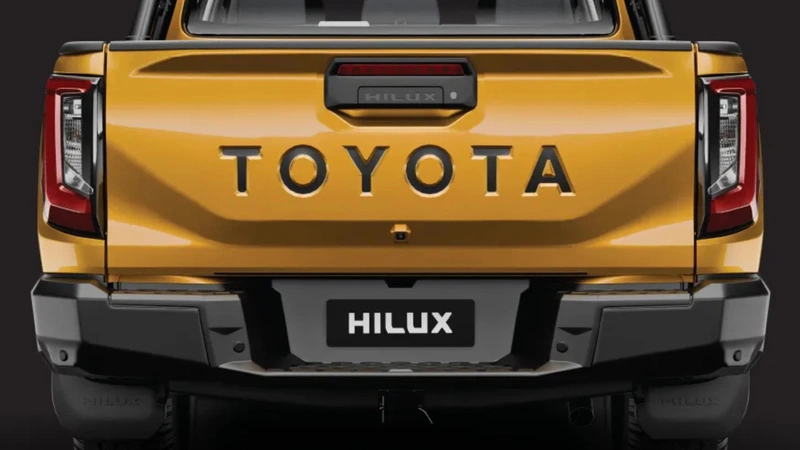
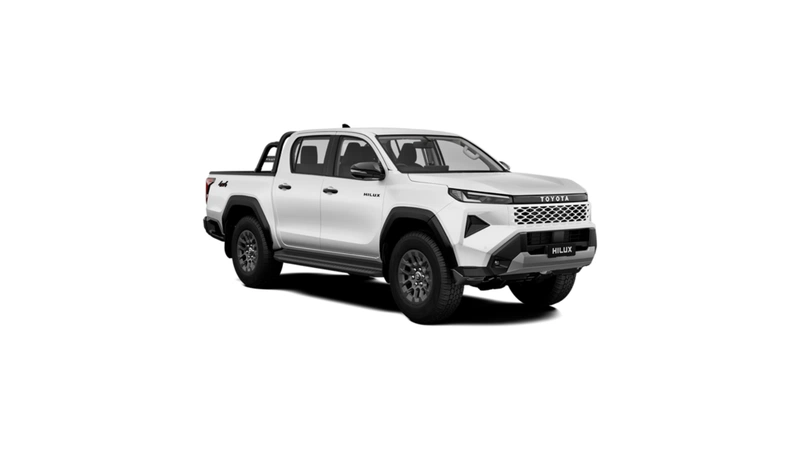
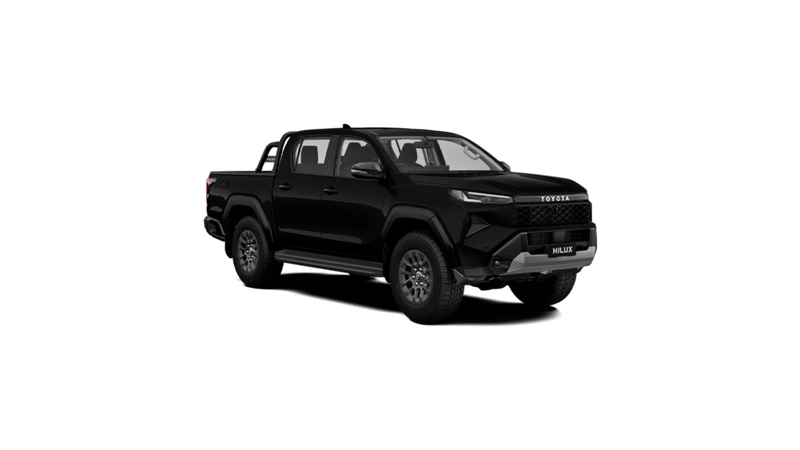
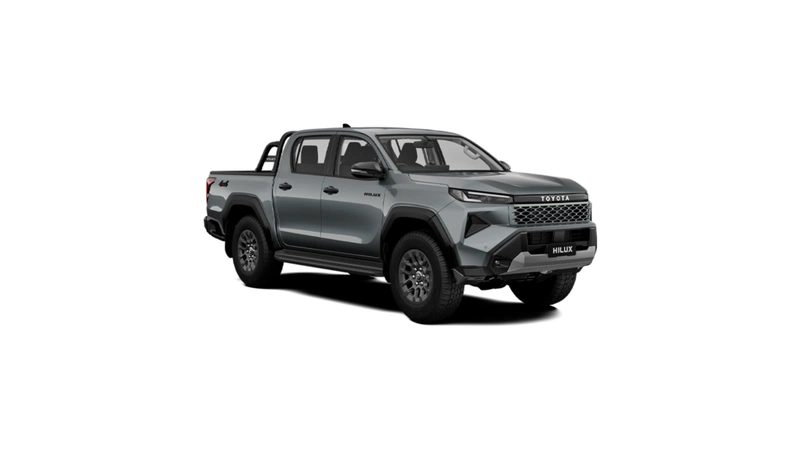
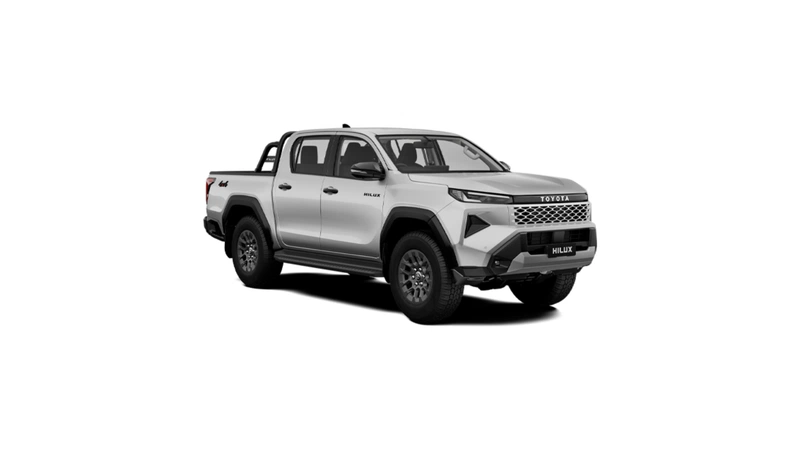
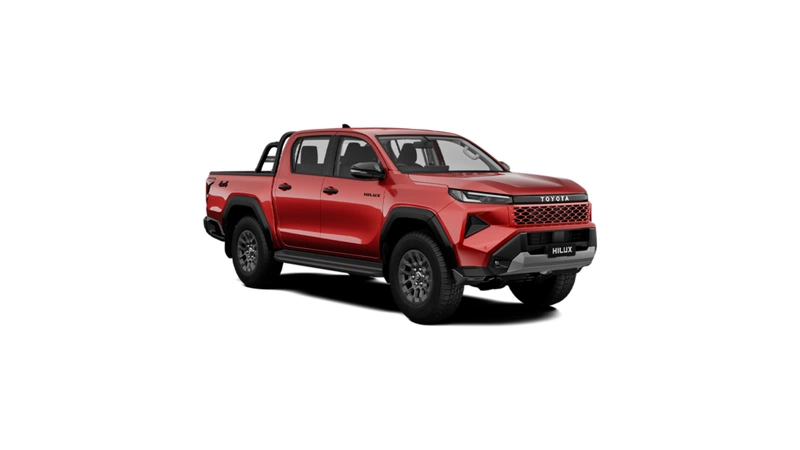
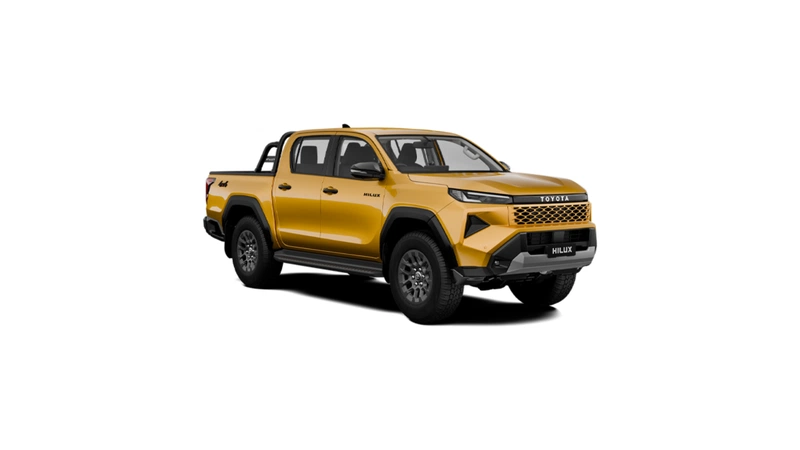
Visually, the truck looks undeniably sharper, trading older lines for slim LED headlamps, prominent TOYOTA lettering front and rear, plus sleek C-signature tail lamps. Also, buyers can choose from six distinct exterior colors.
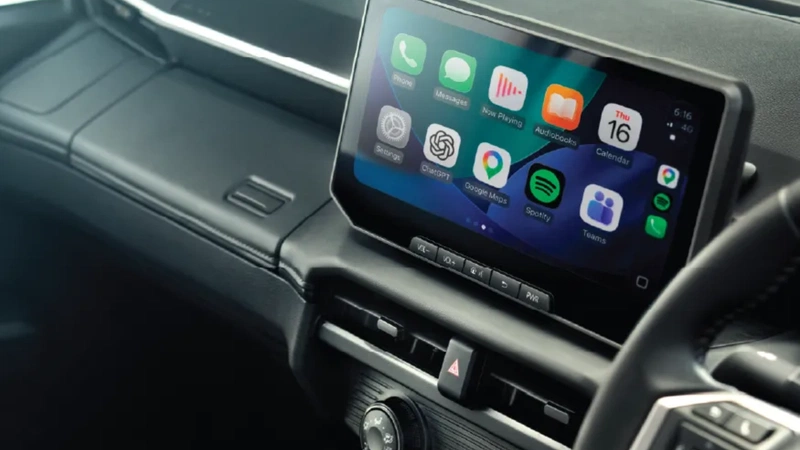
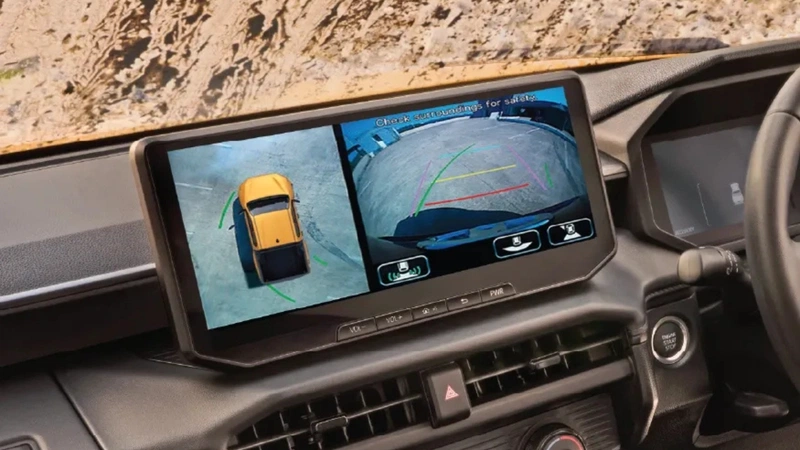
Inside, the cabin feels modern. Drivers get an all-new dashboard featuring a crisp 12.3-inch touchscreen, wireless Apple CarPlay and Android Auto, ventilated front seats, alongside a 360-degree camera.
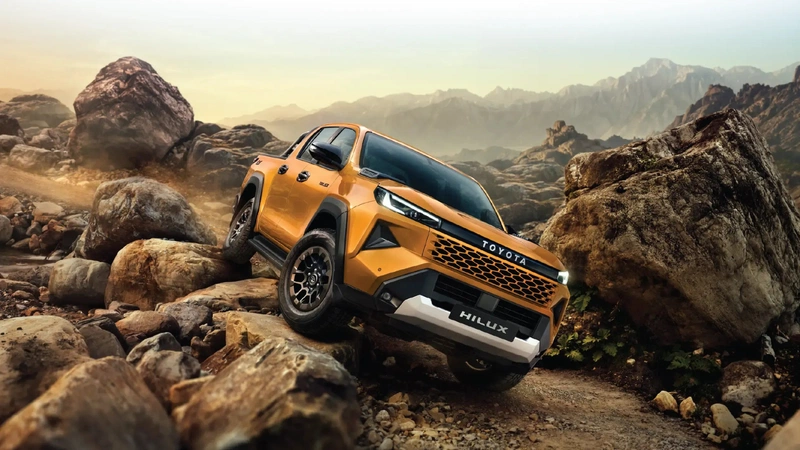
For off-roading, 4x4 models pack low-range, downhill assist, an electronic differential lock, and multiple terrain modes. Reassuringly, standard safety offers seven airbags, VSC, and a 5-star Global NCAP rating.
You may also want to check every pickup truck you can buy in 2026.
Engine and Performance
Engine and Performance
The Hilux is powered by a 2.8-litre, four-cylinder, inline turbodiesel engine producing 204 PS at 3,000 to 3,400 rpm and 500 Nm of torque between 1,600 and 2,800 rpm. Toyota has discontinued the previous generation’s manual, pairing the motor exclusively with a 6-speed torque-converter automatic.
For off-roading, 4x4 variants get a low-range transfer case, electronic differential lock, active traction control, and downhill assist.
Drivers also get the ability to toggle between Eco, Normal, and Sport modes.
fuel economy
fuel economy
Toyota has not published an official ARAI-certified figure for the ninth-generation Hilux at the time of launch. The previous generation was typically claimed at around 10 kmpl, with real-world figures ranging from roughly 8-13 kmpl depending on conditions.
Given the vehicle's weight and 2.8-litre engine, real-world city figures are expected to be closer to 7 to 9 kmpl.
You can also read why petrol and diesel cars feel risky to buy right now.
interior
interior
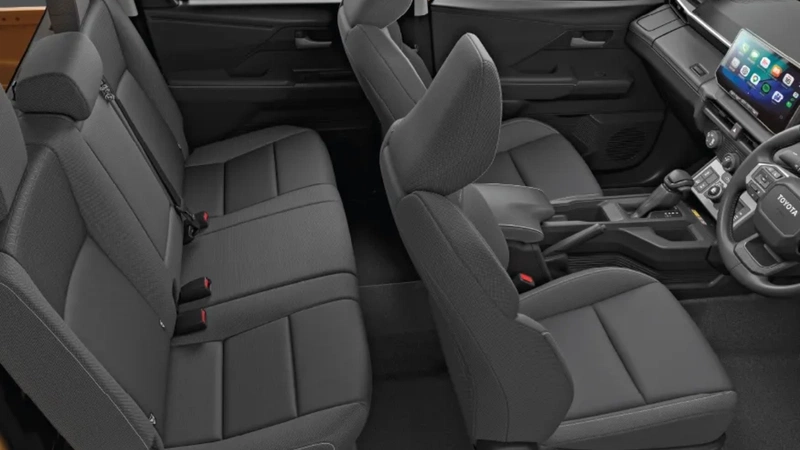
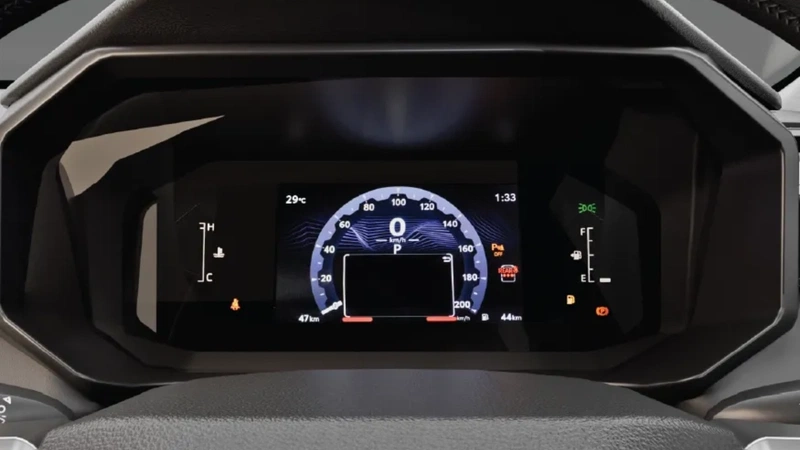
The ninth-generation Hilux gets a completely redesigned cabin. Up front sits a redesigned three-spoke wheel with Toyota lettermark, alongside a 7-inch instrument cluster. The real centerpiece, though, is the new 12.3-inch touchscreen, which finally brings wireless Apple CarPlay, Android Auto, and an eight-speaker setup to the pickup.
Everyday conveniences like a wireless charger, cooled glovebox, and a PM 2.5 air filter come standard across the range.
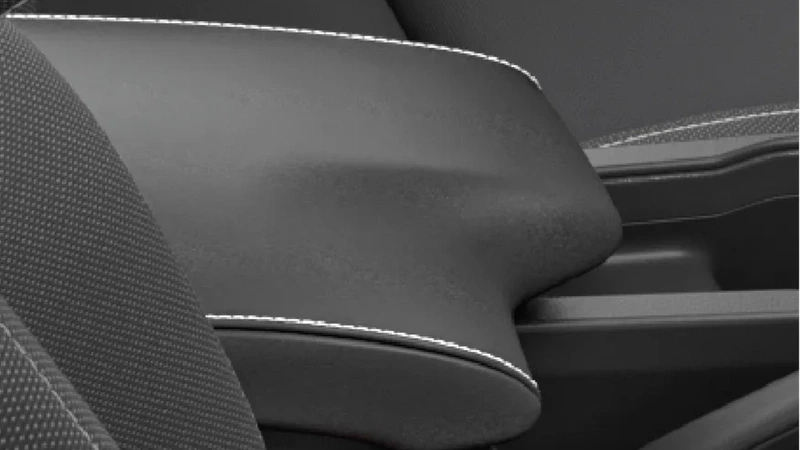
That said, cabin comfort depends much on the variants. The top-tier VX gets leatherette upholstery, dual-zone climate control with rear vents, and a padded armrest, plus a power-adjustable, ventilated driver’s seat.
While the base GX features plain fabric seats and a basic single-zone manual air conditioner.
Rear seating is a 60:40 split configuration. The bench folds upward rather than flat, which limits cargo flexibility compared to the Isuzu V-Cross.
exterior
exterior
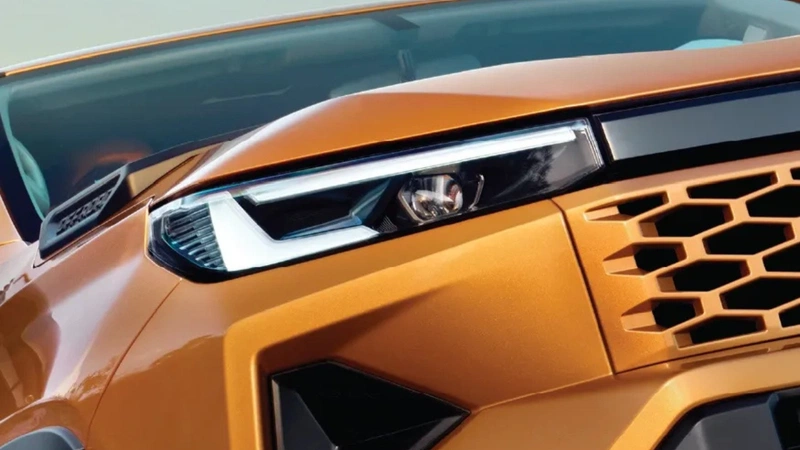
The ninth-generation Hilux adopts a more upright and angular front end. Slim, swept-back LED headlamps with integrated DRLs are connected by a thick gloss-black strip carrying embossed TOYOTA lettering, replacing the conventional badge.
The trapezoidal grille features a honeycomb pattern in a body colour finish. Below it, the front bumper features two quadrangle-shaped black air intakes flanking a silver skid plate and twin LED fog lamps.
On the sides, the roofline and overall silhouette are unchanged, but the Hilux picks up black wheel-arch cladding, side roll bars, a footboard step, and electrically retractable ORVMs with integrated turn signals. A shark-fin antenna sits at the rear of the roof.
Around back, the bold TOYOTA lettering makes a second appearance across the full width of the tailgate, flanked by vertically stacked LED tail lamps with distinct C-shaped light signatures.
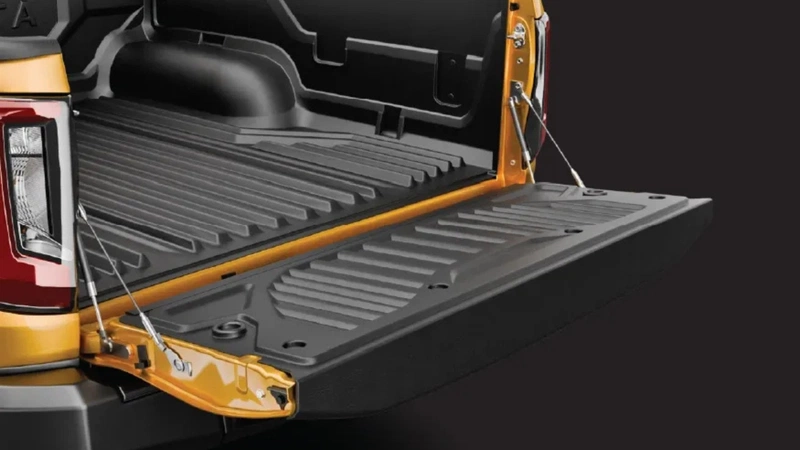
Down low, a re-sculpted rear bumper incorporates a dedicated step, a simple, practical touch that makes clambering into the cargo bed a whole lot easier.
safety
safety
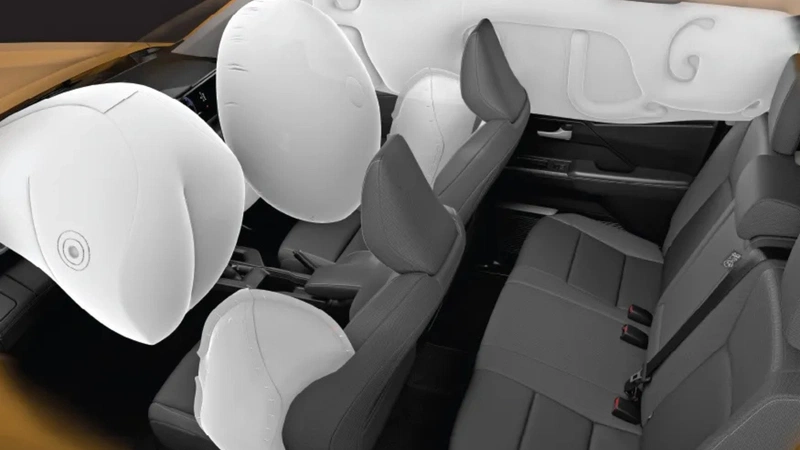
The ninth-generation Hilux carries a 5-star Global NCAP safety rating. This safety rating is reinforced by seven airbags as standard across every single variant, along with whiplash-reducing WIL Concept front seats, ISOFIX child-seat anchors, and a built-in anti-theft alarm.
We have also detailed unsafe cars in India so you can avoid those models and choose safer alternatives.
The truck also comes with Vehicle Stability Control with Brake Assist, ABS, Hill Assist Control, a tire pressure monitor, and emergency brake signals.
Parking the massive pickup is made easier thanks to standard front and rear sensors with display feedback, plus speed auto-locking doors for peace of mind on the move.
The India-spec model however does not get the ADAS suite available on global markets.
competition
competition
The Hilux closely competes only with the Isuzu D-Max V-Cross in its segment. The car has a 10 mm longer wheelbase and offers flat-folding rear seats for more cargo flexibility.
The Hilux counters with a considerably more powerful engine, 204 PS versus 163 PS, a more premium cabin, dual-zone climate control on the top trim, ventilated front seats, a 360-degree camera, and a larger 12.3-inch touchscreen.
Toyota's wider service network is also a practical advantage.
Toyota Hilux News
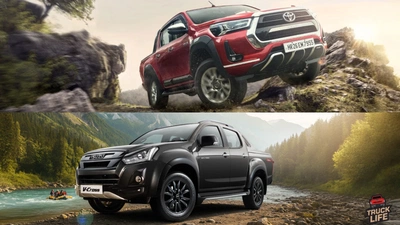
2026 Toyota Hilux Every Variant Explained
The Toyota Hilux comes in three variants in India. All three share the same 2.8-litre diesel, 6-speed automatic, and 80-litre tank. But the differences in 4WD hardware, off-road features, and cabin tech make the variant decision far from straightforward.
Anmol Kumar
August 6, 2026
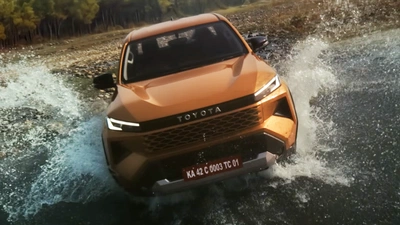
Toyota Just Refreshed the Hilux. Where Is Mahindra's Answer?
Toyota refreshed the Hilux this week at Rs 31.99 lakh, and the timing puts Mahindra in an awkward spot. With the Scorpio-based pickup now likely slipping to 2027, Toyota gets a clear run at a segment Mahindra has been circling for three years.
Anmol Kumar
July 31, 2026
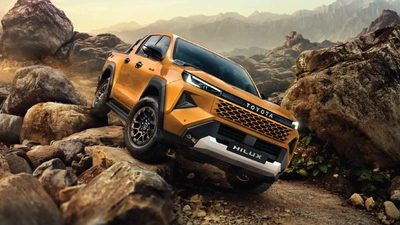
Toyota Hilux Launched at Rs 31.99 Lakh, Gets First-Ever 4x2 and New 12.3-Inch Screen
Toyota has launched the ninth-generation Hilux in India at Rs 31.99 lakh (ex-showroom). Three variants, a new cabin with a 12.3-inch touchscreen, a first-ever 4x2 option, and the same proven 2.8-litre diesel. Here is everything you need to know.
Anmol Kumar
July 29, 2026
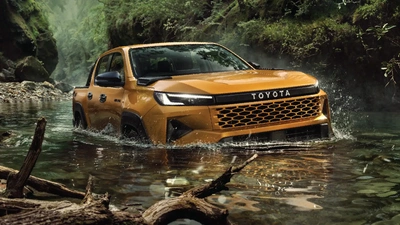
Toyota Teases New Hilux Ahead Of July 28 India Launch
Toyota teased the next-generation Hilux ahead of its global debut in November 2025. The updated pickup (launching in India on July 28, 2026) retains the IMV platform while gaining a bolder design, a tech-rich cabin, and a 48V mild-hybrid diesel option.
Arjun Nair
July 17, 2026