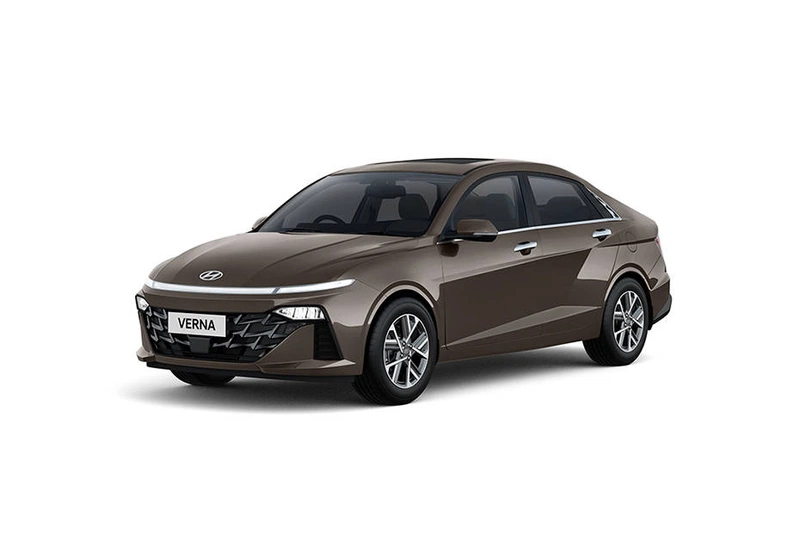
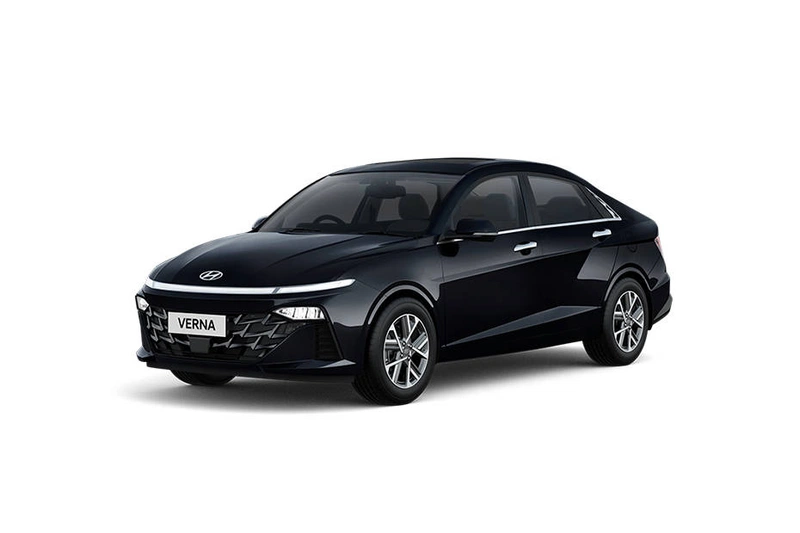
Hyundai Verna
Overall Rating

Hyundai Verna
Overall Rating
EMI Loading
Hyundai Verna Key Specifications
Hyundai Verna Highlights
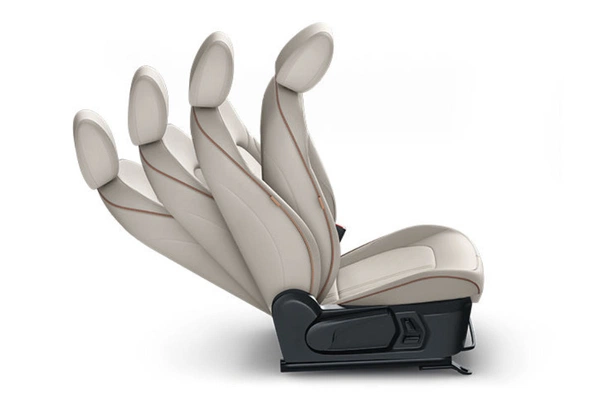
Powered driver seat.
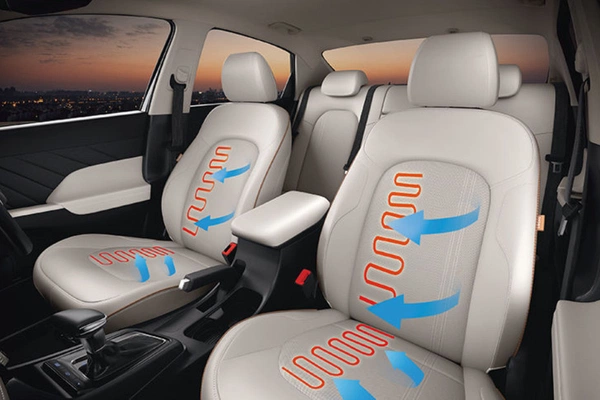
Heated & ventilated seats.
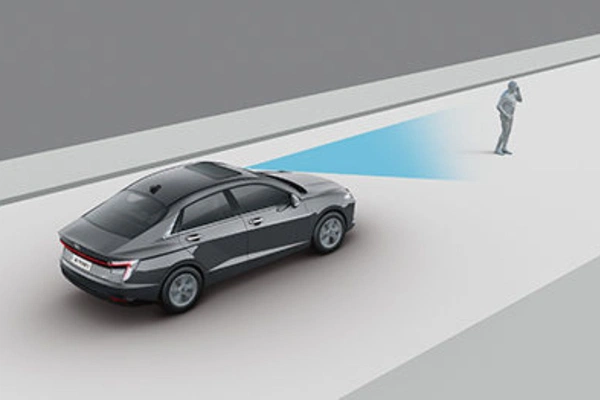
ADAS.
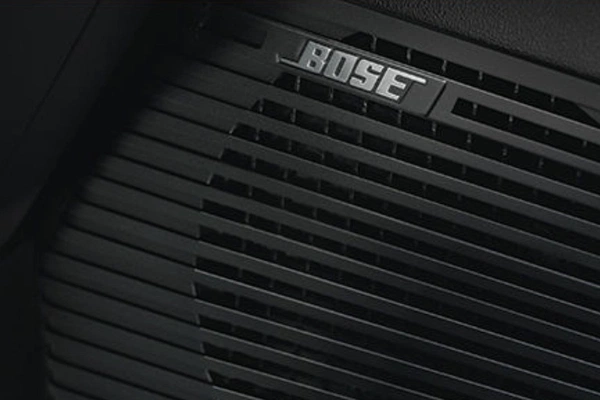
8-speaker Bose system.
Hyundai Verna Overview

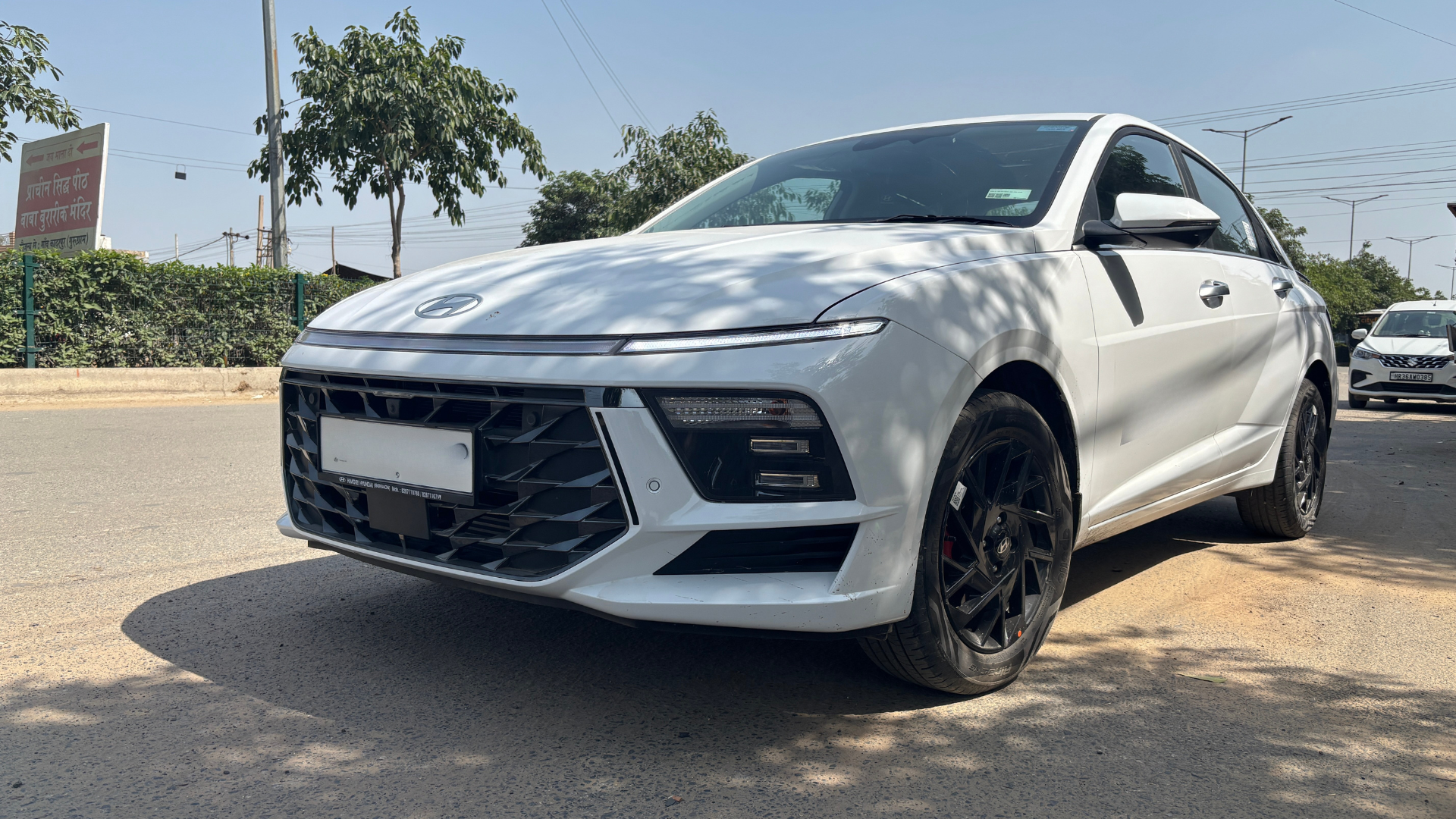
The Hyundai Verna balances strong performance, modern features, and strong safety credentials. It is offered with two 1.5-litre petrol engines - a 113 hp naturally aspirated and a punchy 158 hp turbo, paired with 6-speed manual, iVT, or 7-speed DCT transmissions.
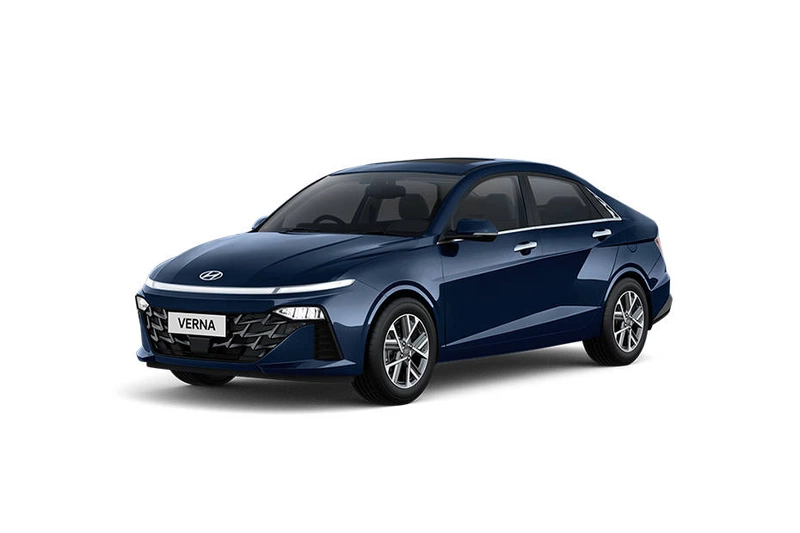
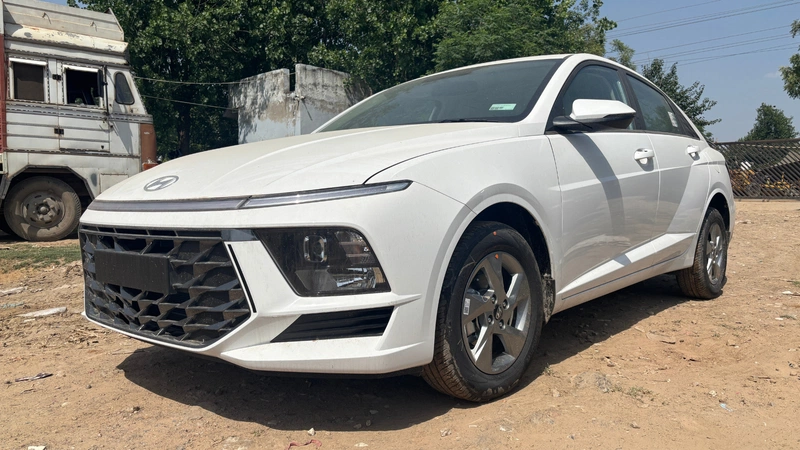
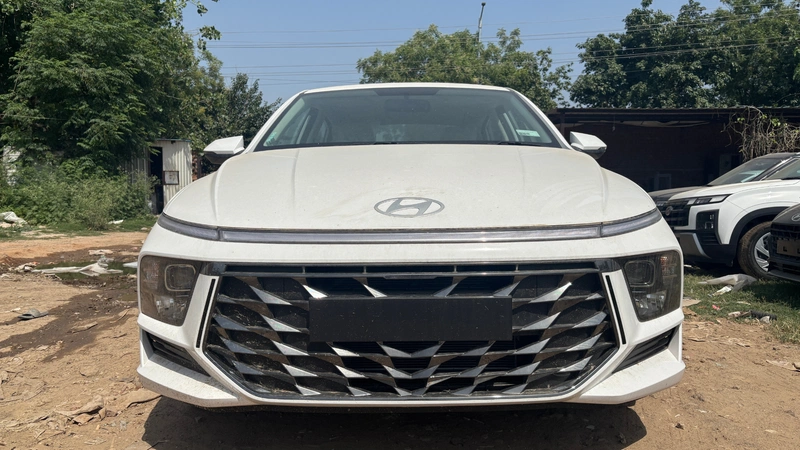
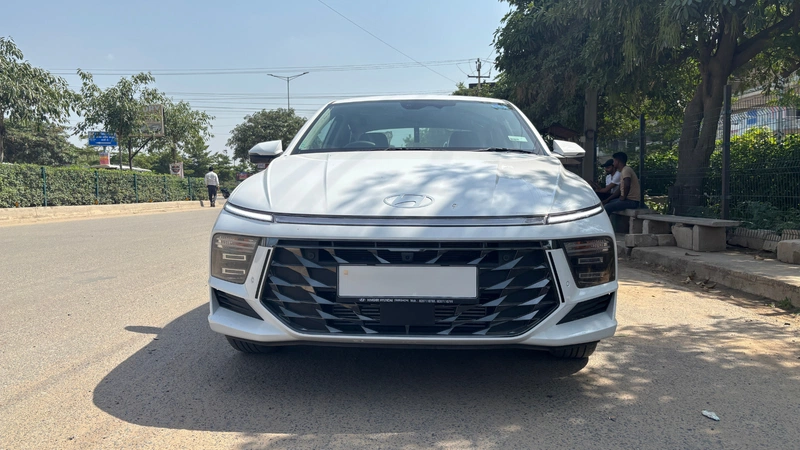
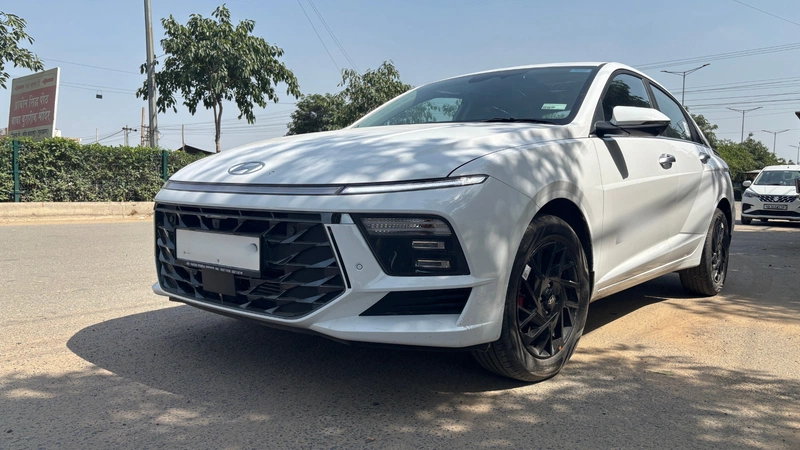
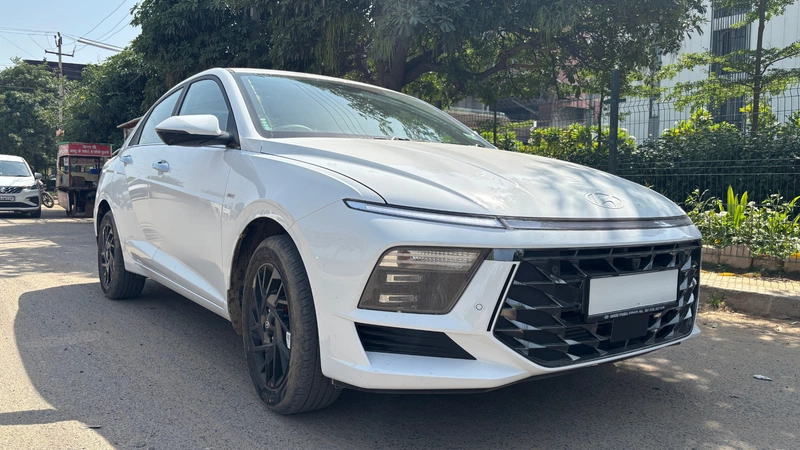
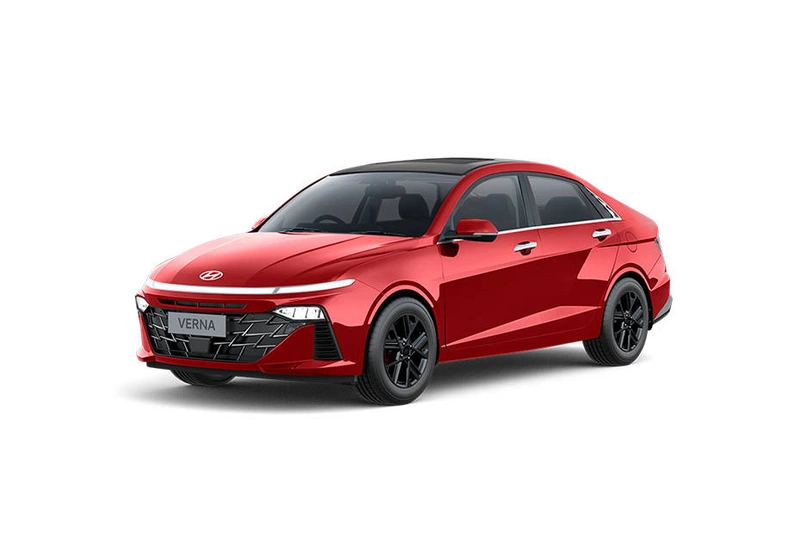
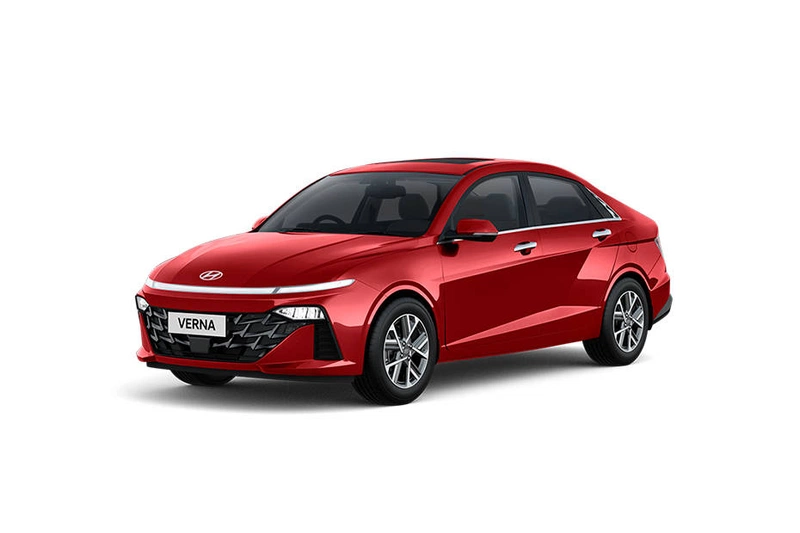
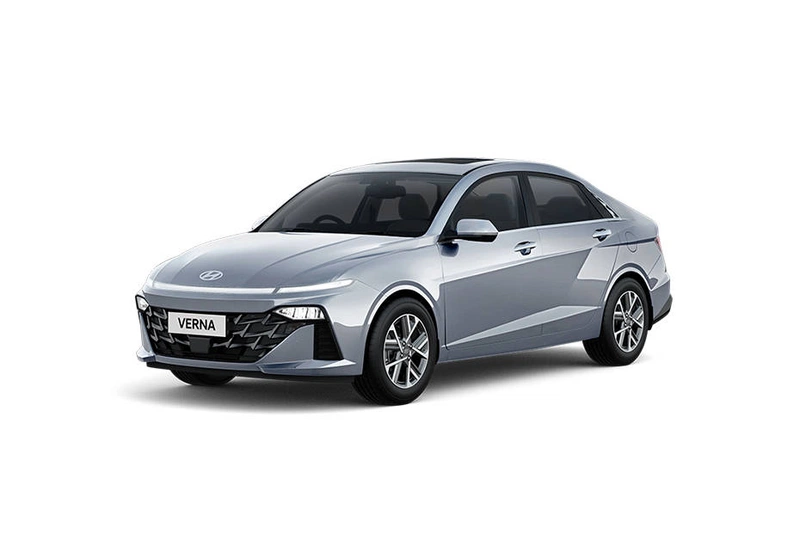
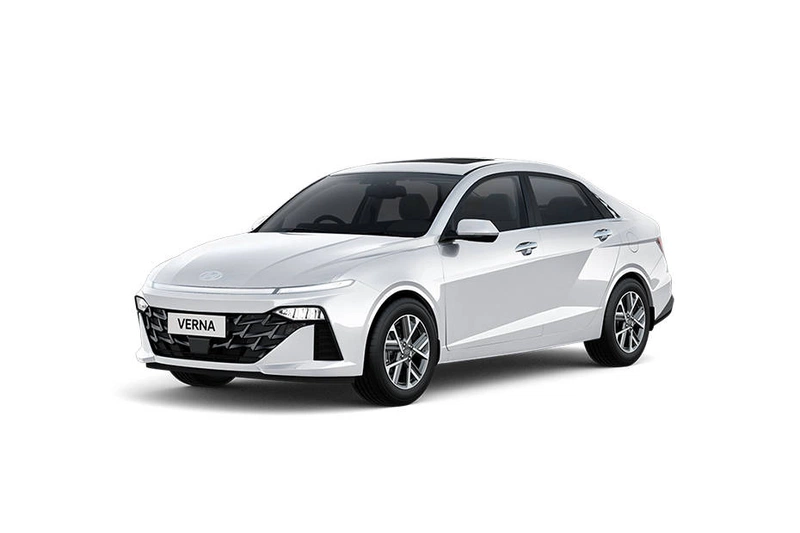
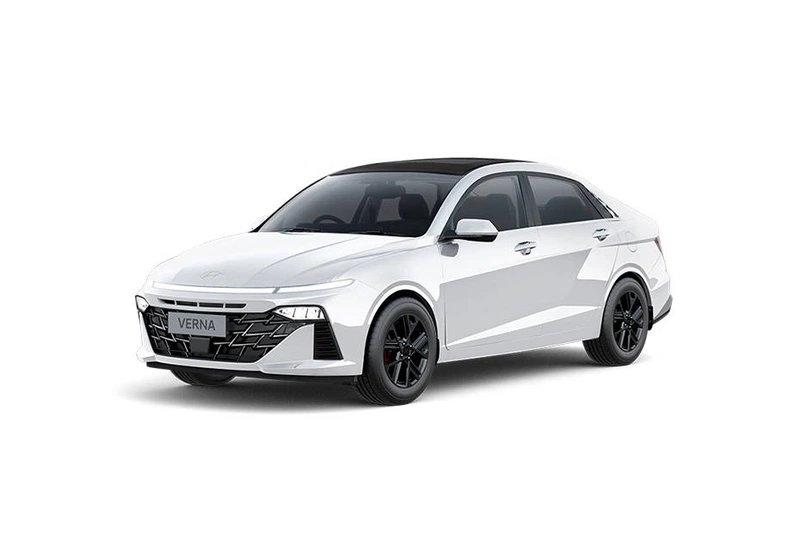
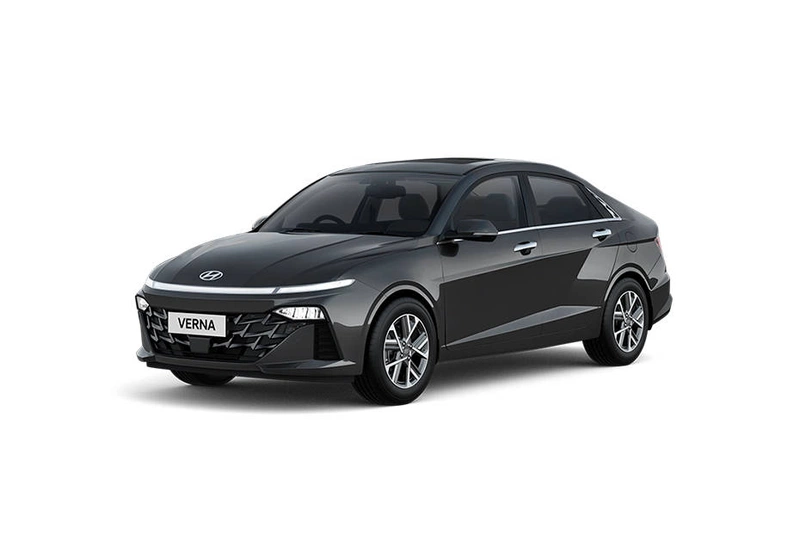
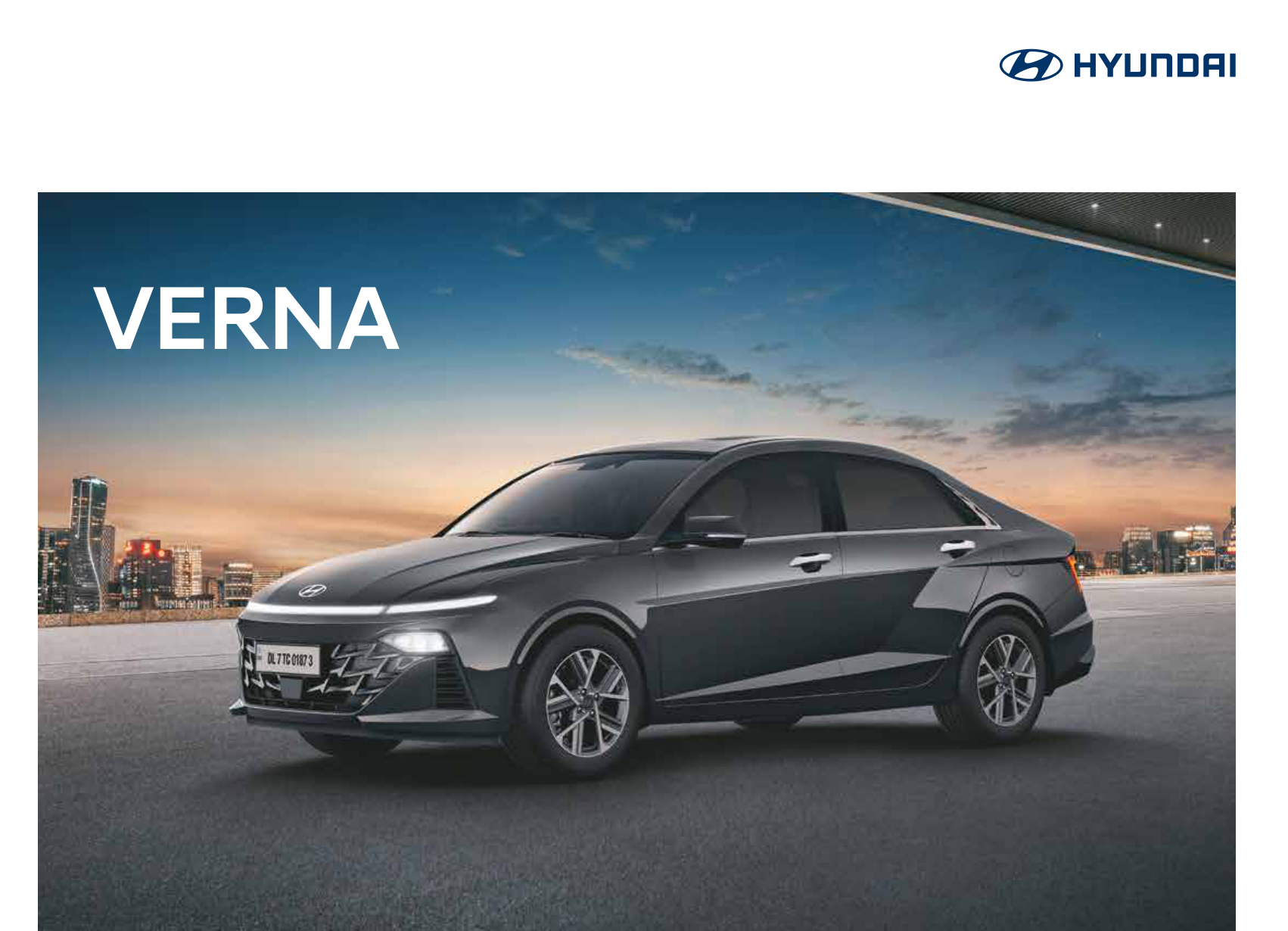
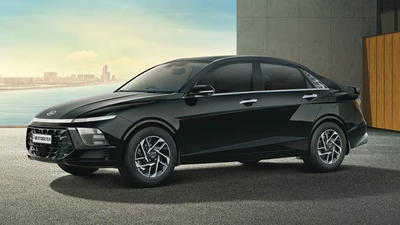
Exterior styling wise, the body gets clean LED lighting with dual projector headlamps, a dark chrome grille, subtle bumper updates from its pre-facelift model.
On the inside, the cabin gets dual 10.25-inch integrated displays for the infotainment system and digital cluster, wireless Apple CarPlay & Android Auto, and Bose 8-speaker premium audio.
Additional features include ventilated front seats, electric driver and passenger seat adjustments, rear sunshades, and enhanced ambient lighting.
On the safety end, it received a 5-star Global NCAP rating, and gets up to 7 airbags, including Level 2 ADAS.
Overall, these make the Verna a compelling choice for buyers seeking a good combination of performance, technology, and safety in the segment.
Engine and Performance
Engine and Performance
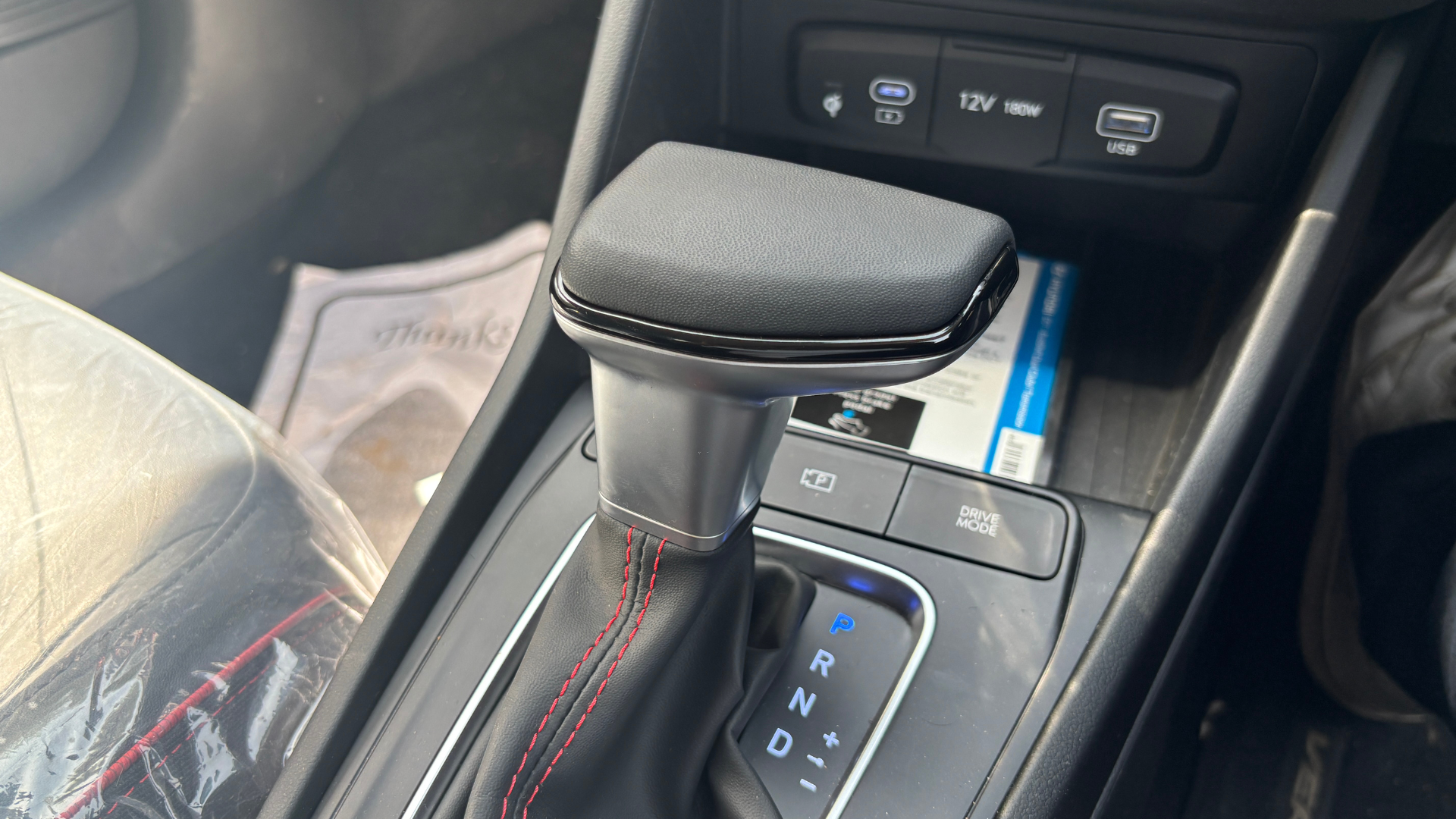
The Verna uses two 1.5-litre four-cylinder petrol engines. The MPi engine produces 113 hp at 6,300 rpm with max torque of 143.8 Nm at 4,500 rpm.
The turbo GDi engine delivers 158 hp and 253 Nm between 1,500 and 3,500 rpm.
Both engines are available with a 6-speed manual transmission. However, the MPi pairs additionally with an iVT, while the turbo GDi offers a 7-speed dual-clutch transmission.
fuel economy
fuel economy
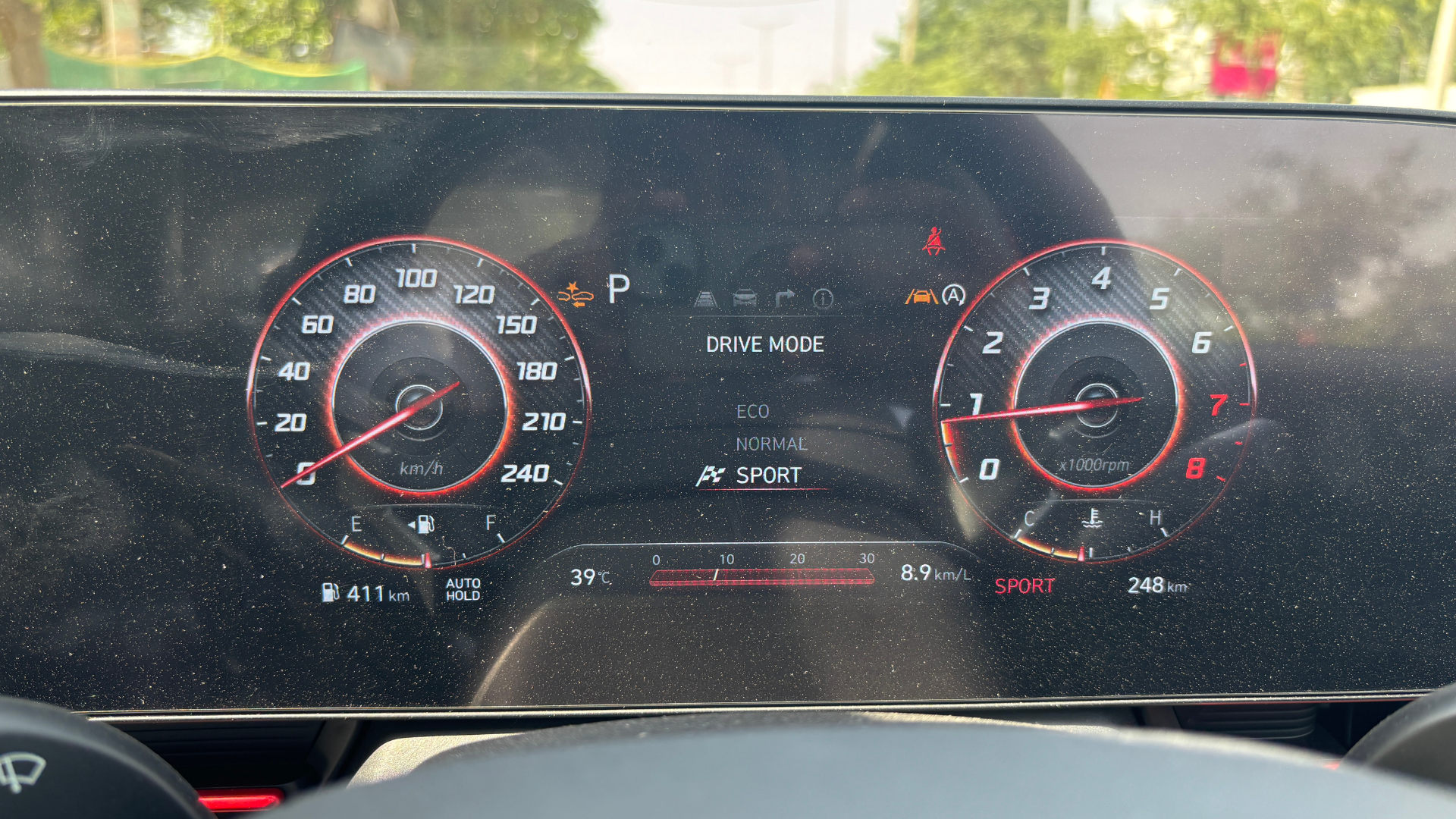
ARAI-certified mileage for the Verna ranges from 18.6 kmpl to 20.6 kmpl, depending on the engine and gearbox combination.
The MPi petrol delivers 18.6 kmpl with the 6-speed manual and 19.6 kmpl with the iVT automatic.
Meanwhile, the Turbo GDi petrol returns 20.0 kmpl with the 6-speed manual and 20.6 kmpl with the 7-speed DCT.
The fuel tank capacity is 45 litres across all variants.
interior
interior
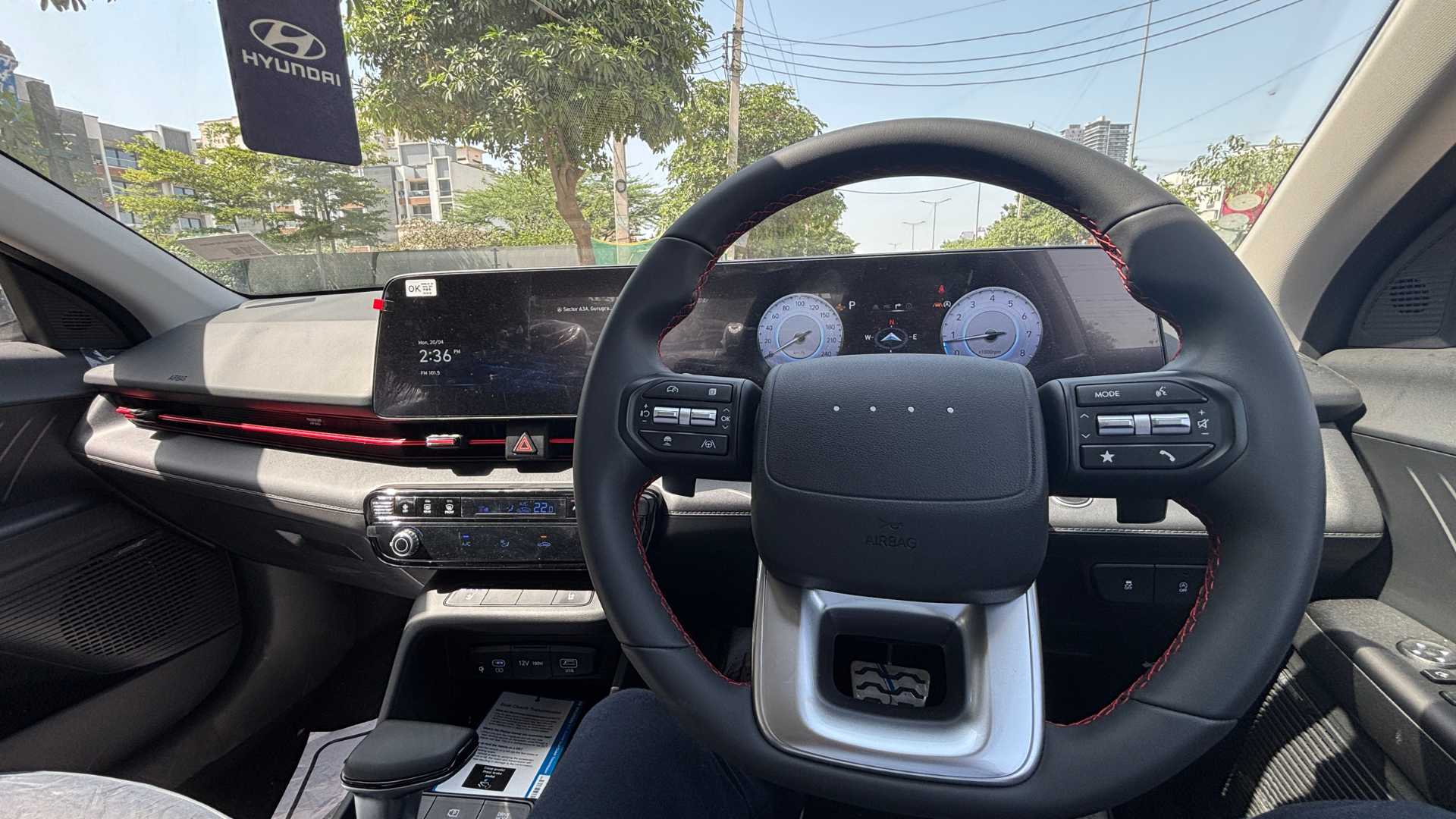
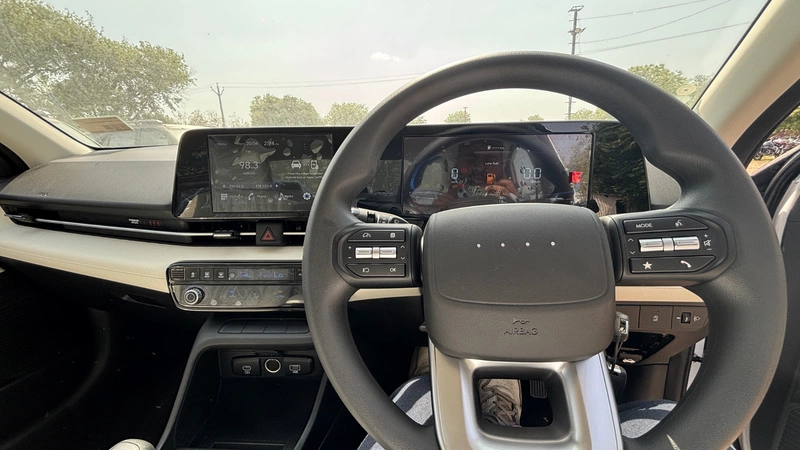
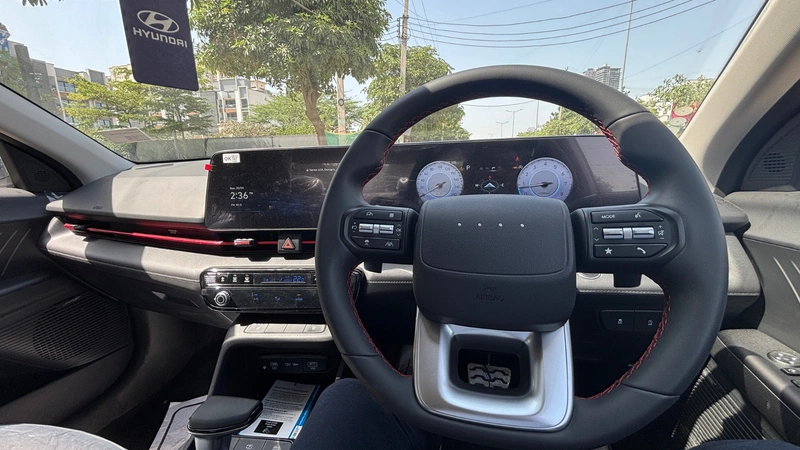
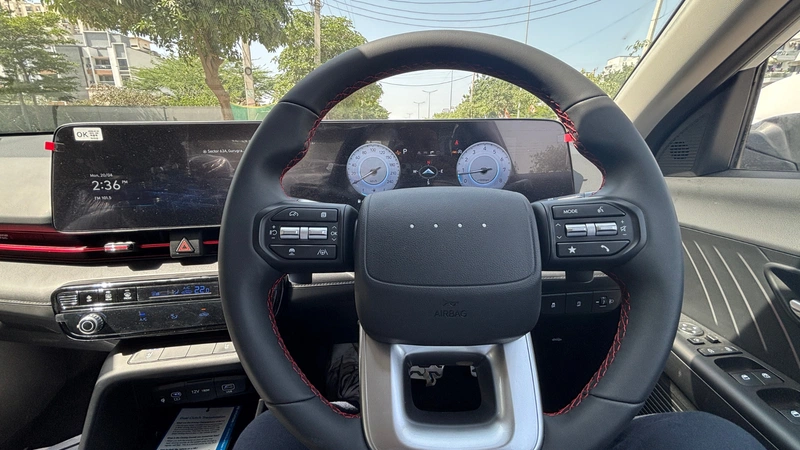
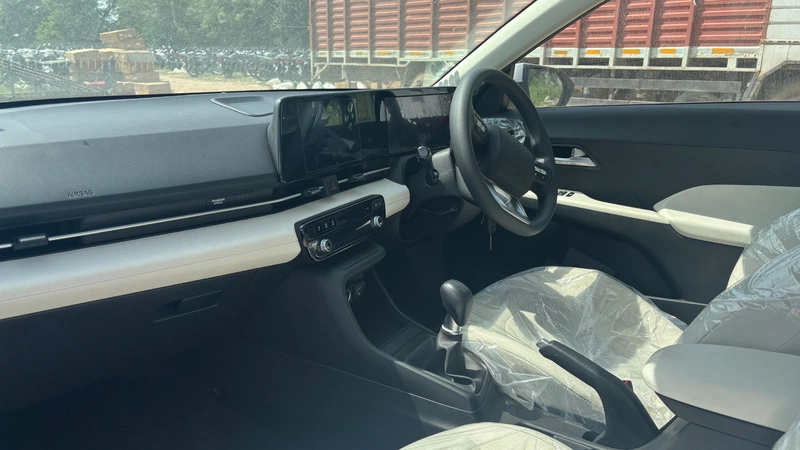
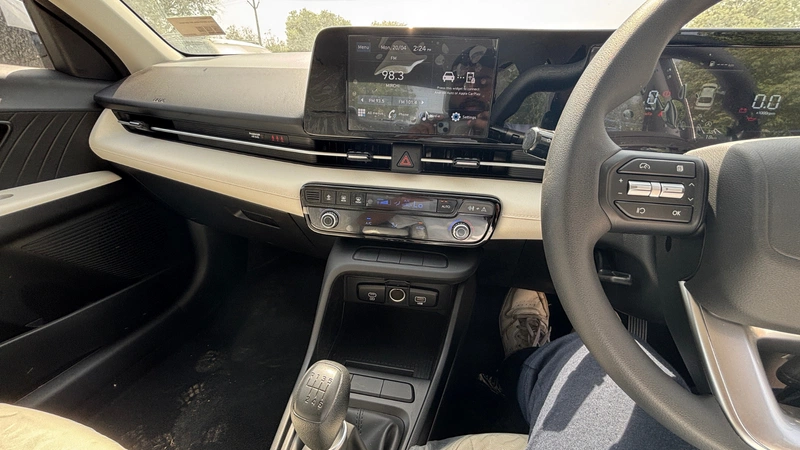
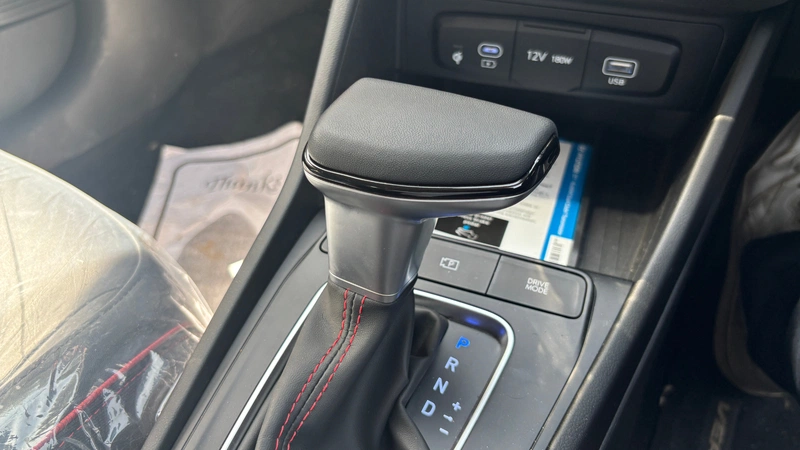
Inside, the Verna's dashboard features a dual-tone or black-with-red-accent theme, finished with soft-touch materials on the upper sections. The D-cut steering wheel includes media and cruise controls as standard, stepping up to a leatherette wrap on higher trims.
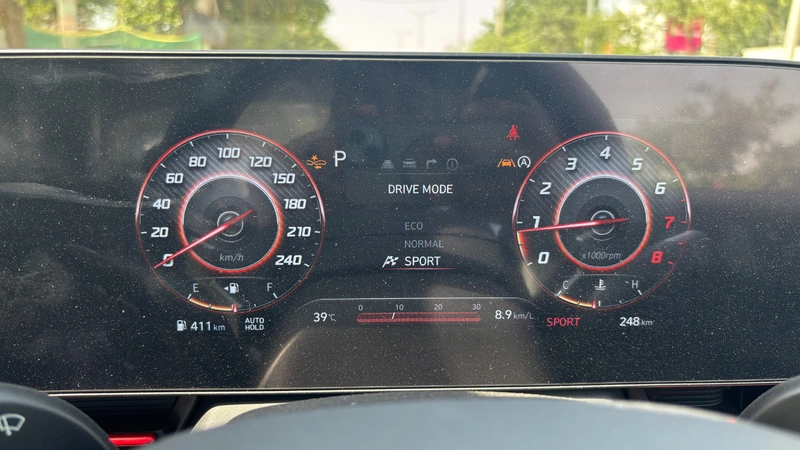
The cabin's tech is centered around a 10.25-inch fully digital instrument cluster paired with either an 8.0-inch or 10.25-inch infotainment touchscreen.
This setup supports wireless Apple CarPlay and Android Auto, alongside Hyundai Bluelink connectivity and an optional 8-speaker Bose premium audio system.
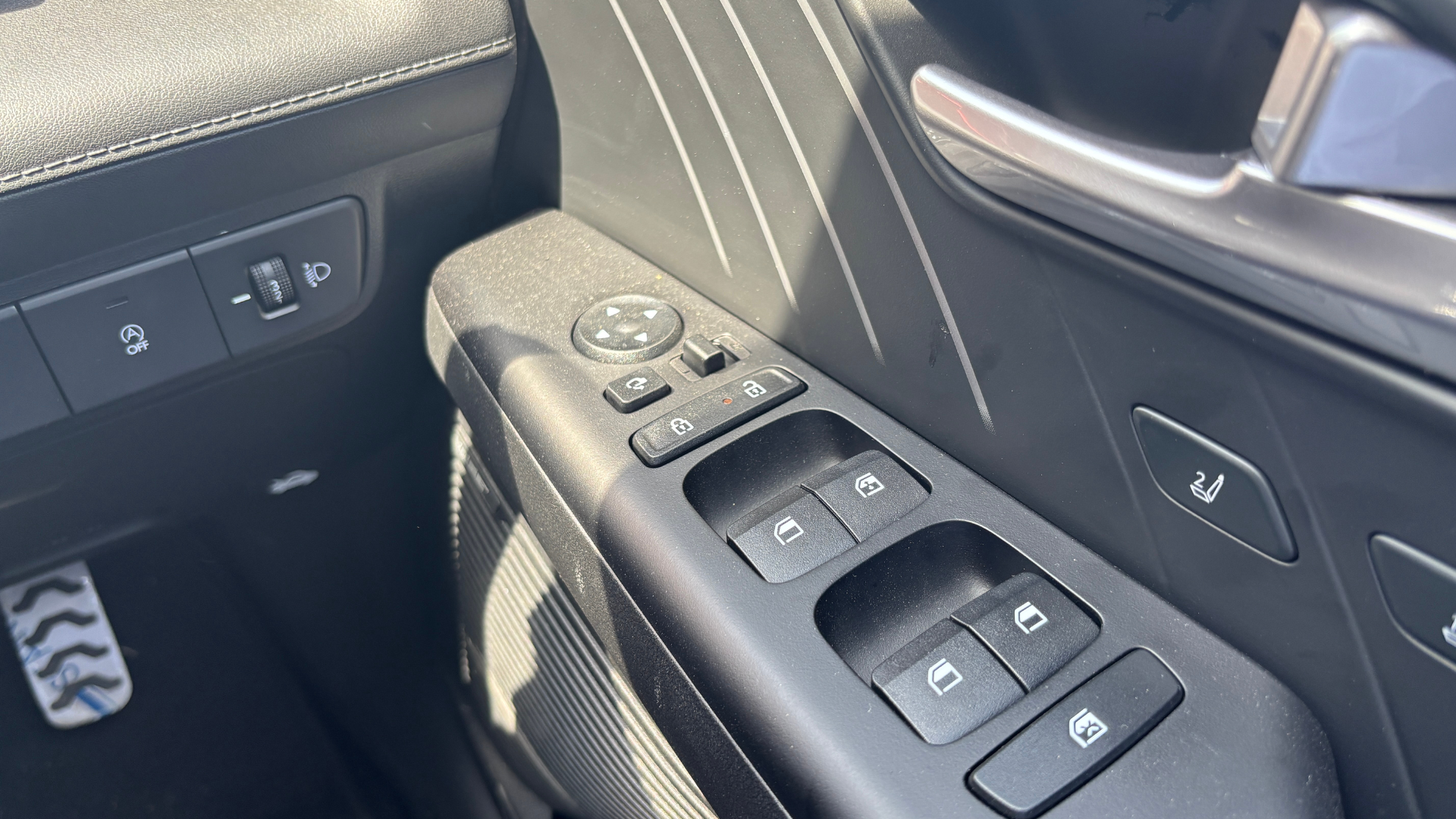
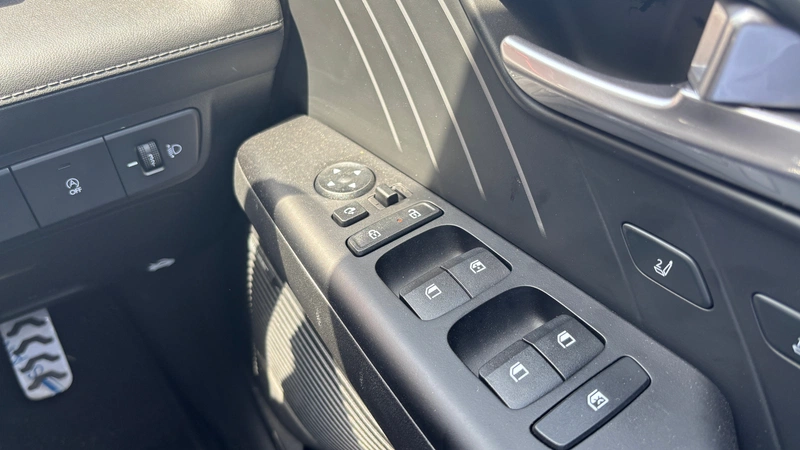
For seating and comfort, higher variants offer leatherette upholstery and ventilated front seats, complemented by an 8-way power-adjustable driver’s seat with memory and a 4-way power passenger seat.
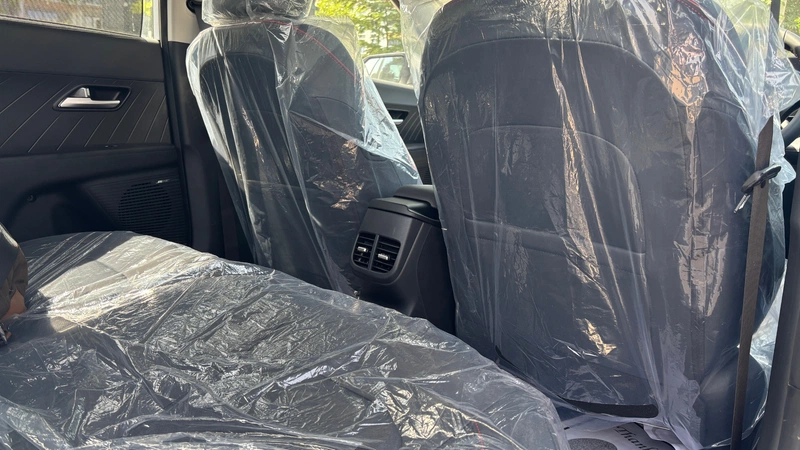
Meanwhile, rear occupants get dedicated AC vents, adjustable headrests, and a center armrest with cupholders.
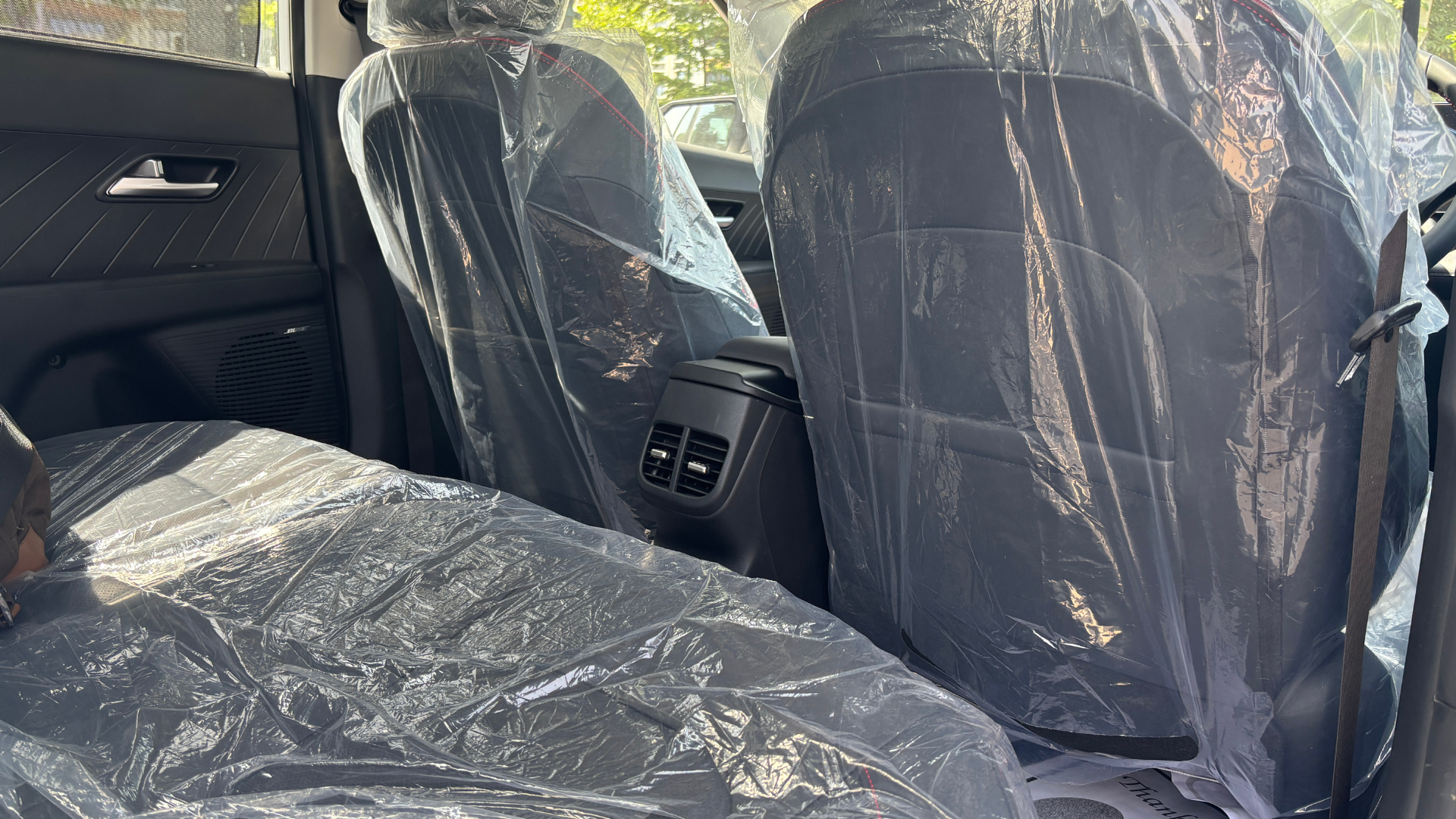
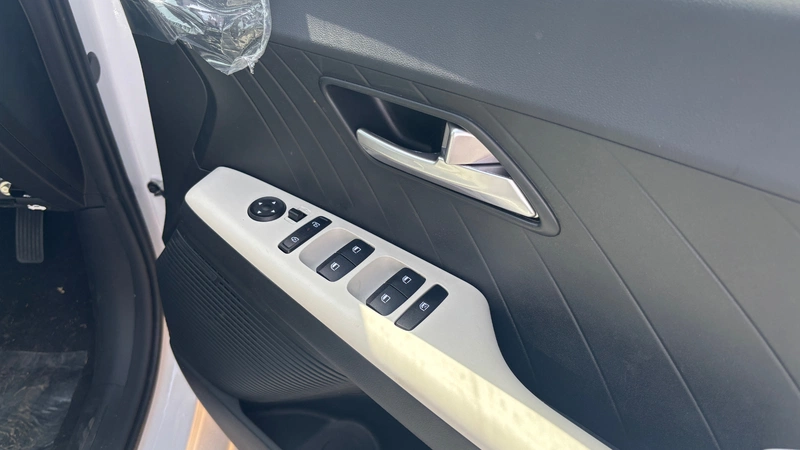
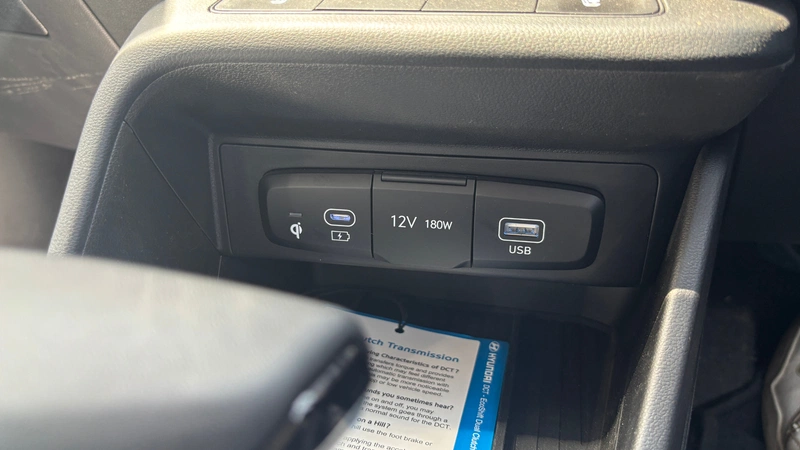
Rounding out the cabin, it includes an electric sunroof on most variants, a wireless smartphone charger, and Type-C USB ports for both front and rear passengers.
exterior
exterior
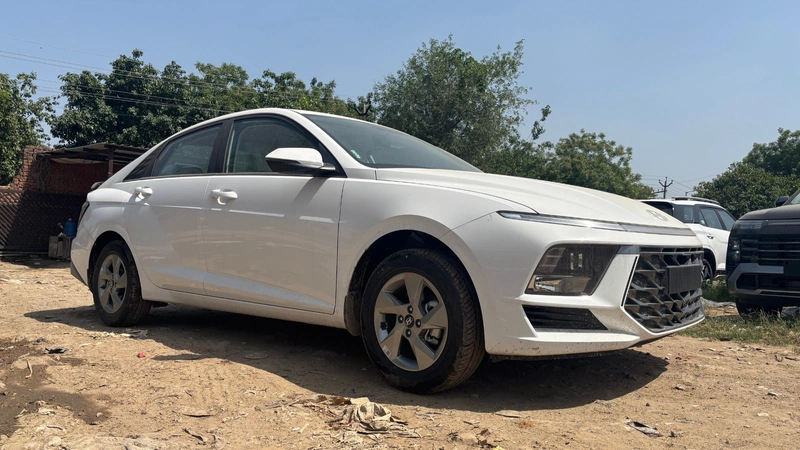
Dimensionally, the Verna has a 4,565 mm length stretched over a 2,670 mm wheelbase, with an overall height of 1,475 mm and width of 1,765 mm.
From the front, it gets dual LED projector headlamps (or projector units), LED positioning lamps and DRLs, automatic headlamps with an escort function, and a black chrome radiator grille.
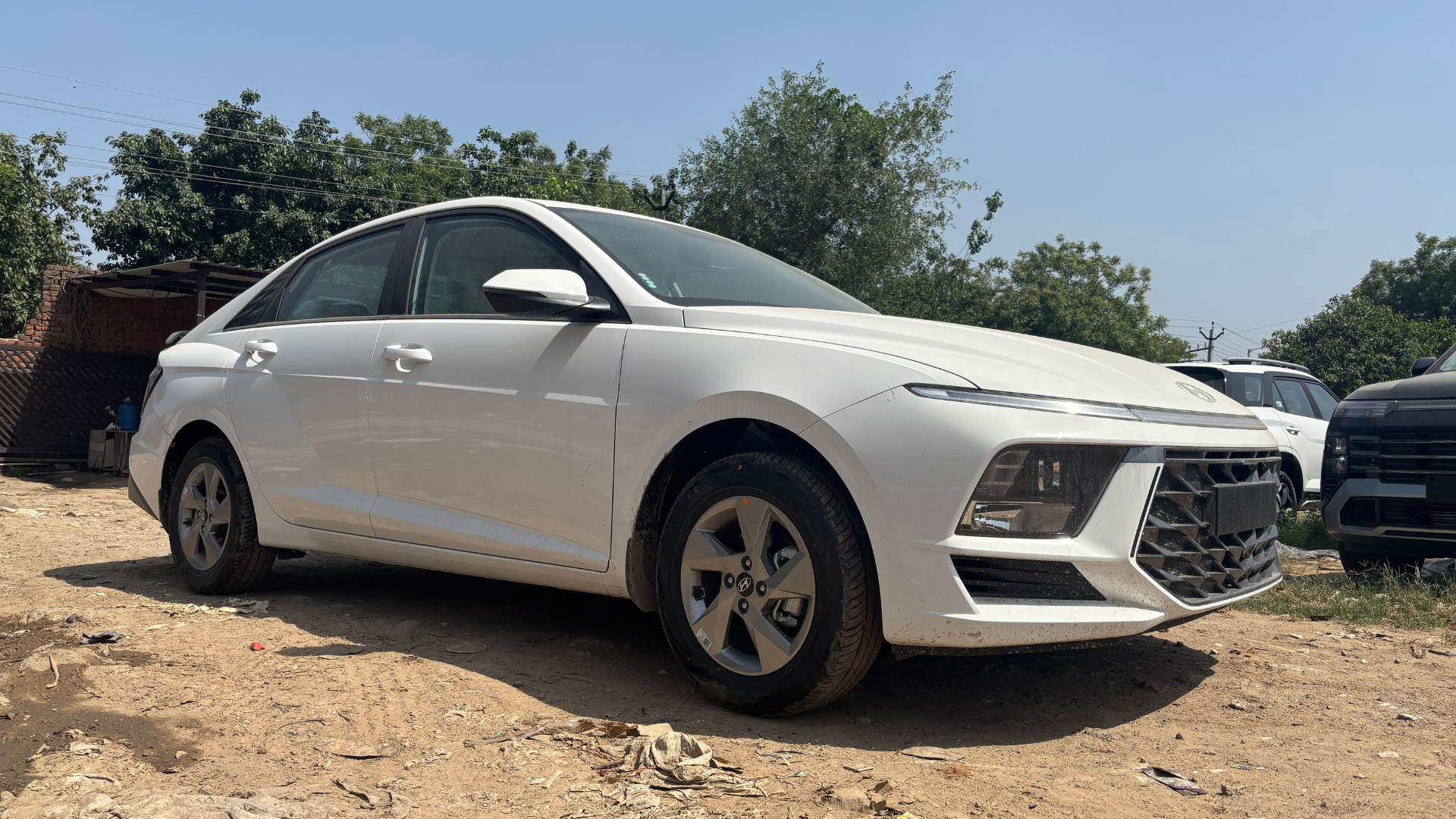
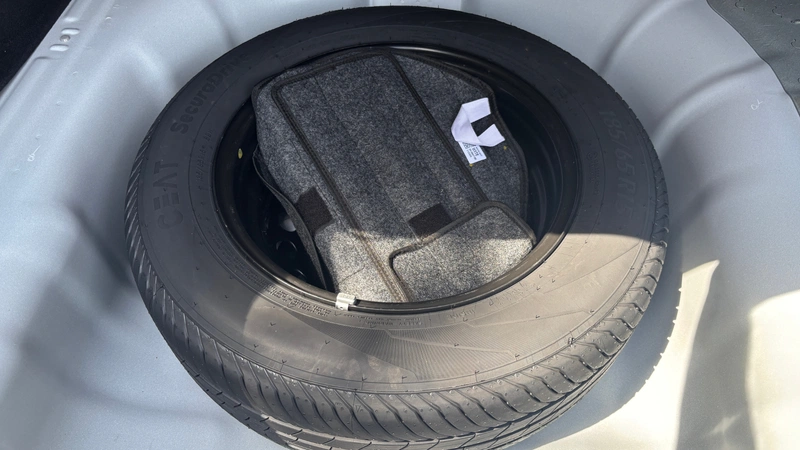
Along the side, it features a satin chrome window belt line, a shark-fin antenna, body-coloured or satin chrome door handles, and 15-inch or 16-inch alloy wheels (185/65 R15 or 205/55 R16) with diamond-cut or dark grey finishes.
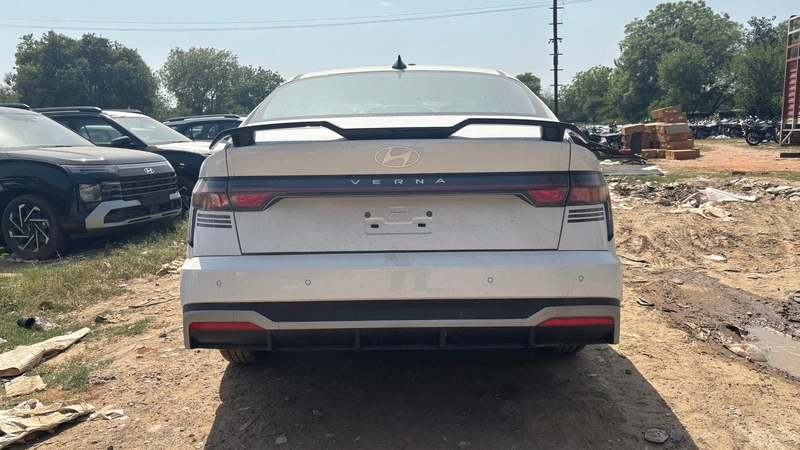
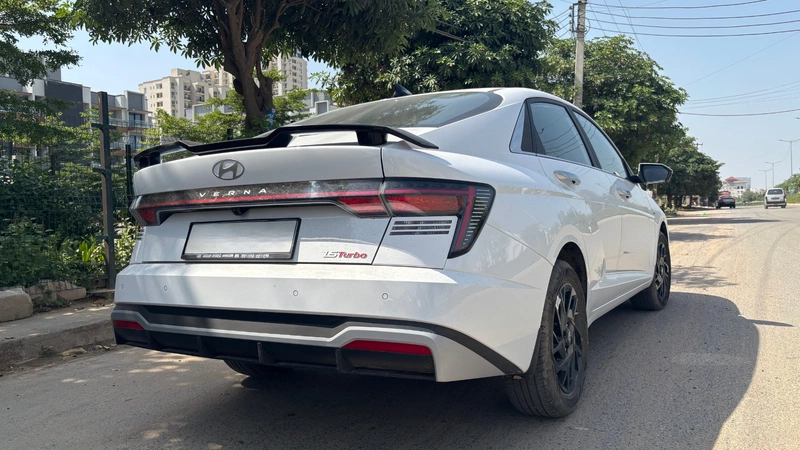
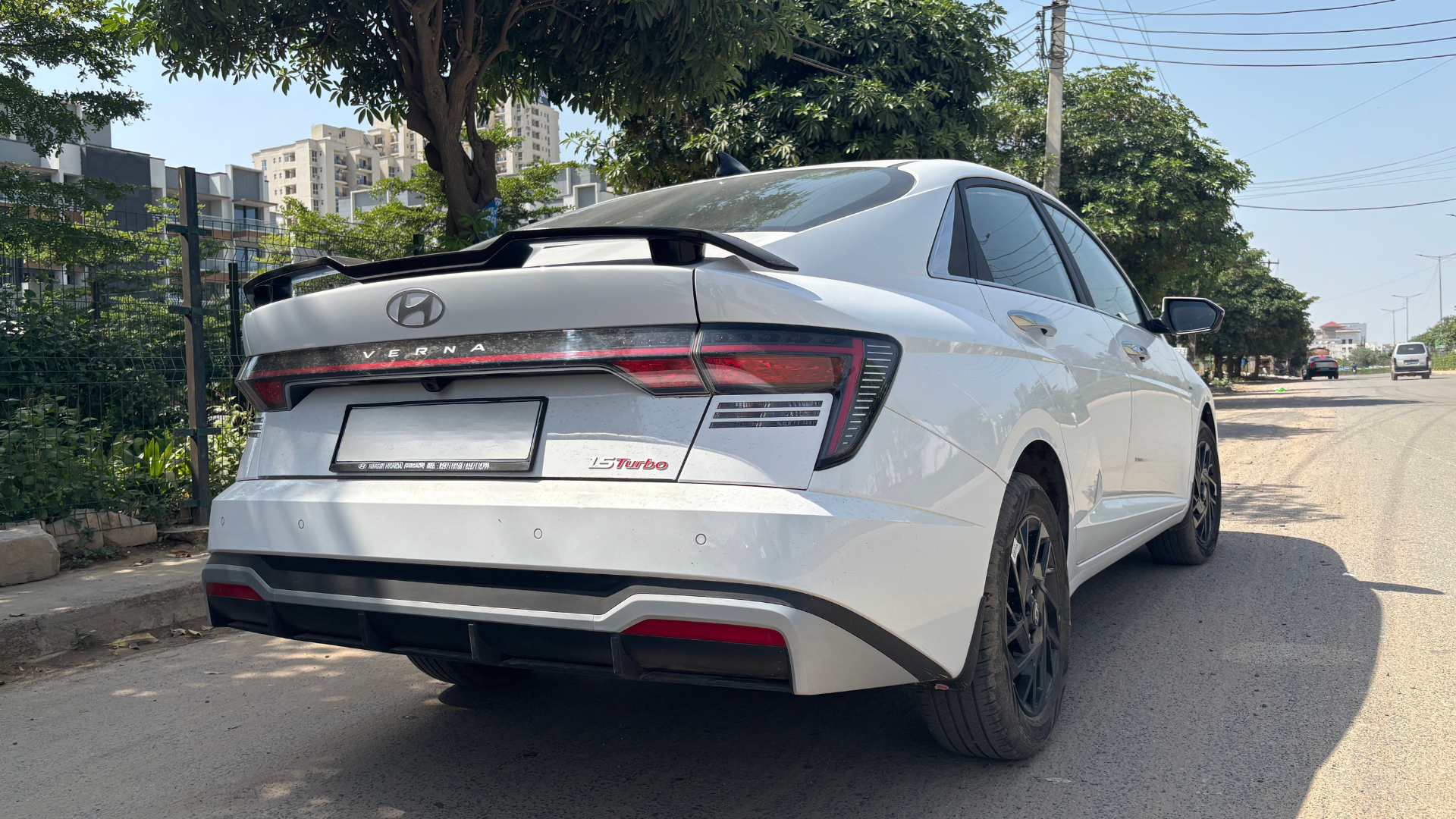
Finally, the rear gets LED tail lamps, a spoiler, integrated reflectors, and a defogger.
safety
safety
The Verna holds a 5-star Global NCAP rating for adult occupant protection (28.18/34) and child occupant protection (42/49).
Supporting this rating, safety equipment includes six airbags, electronic stability control (ESC), vehicle stability management, ABS with EBD, hill-start assist, emergency stop signal, and rear parking sensors, all standard across the range.
Moving up the trims, higher variants add a centre side airbag, front parking sensors, rear-view camera, driver rear-view monitor, tyre-pressure monitoring system, and up to seven airbags, while a dashcam is also available on the lineup.
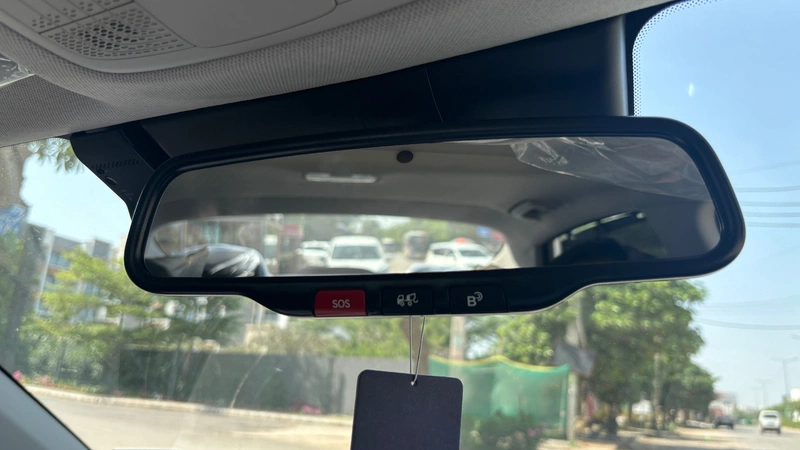
It also gets Hyundai SmartSense ADAS, which comprises forward collision warning and avoidance, lane assists, driver attention warning, safe exit warning, smart cruise control with stop and go, and surround-view monitor, among others.
competition
competition
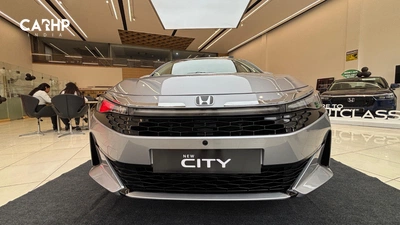
The Hyundai Verna’s direct rivals in its segment are the Honda City, Volkswagen Virtus, and Skoda Slavia.
Against the City, the Verna offers a more powerful 158 hp turbo-petrol option versus the City’s 113 hp naturally aspirated engine and provides a broader ADAS suite. The City counters with a smoother engine and slightly better real-world efficiency in its naturally aspirated powertrain.
The Virtus and Slavia share a 148 hp 1.5 TSI engine and MQB platform, designed to deliver sharper handling and more engaging dynamics than the Verna. Conversely, the Verna leads with its higher 158 hp output, more extensive standard and optional ADAS features, and a wider range of transmission choices including iVT alongside manual and DCT.
Hyundai Verna News


Hyundai Verna FAQs
What engine options does the Verna come with?
−The Verna offers two 1.5-litre four-cylinder petrol engines - a naturally aspirated producing 113 hp and a turbo producing 158 hp.
What transmission options are available on the Verna?
+The MPi engine pairs with a 6-speed manual or an iVT (intelligent variable transmission). The turbo GDi is available with a 6-speed manual or a 7-speed dual-clutch transmission (DCT).
What is the mileage of the Verna?
+ARAI-certified figures are: MPi MT - 18.6 kmpl, MPi iVT - 19.6 kmpl, Turbo MT - 20.0 kmpl, Turbo DCT - 20.6 kmpl.
What is the fuel tank capacity of the Verna?
+The Verna has a 45-litre fuel tank, uniform across all variants.
Does the Verna come with a sunroof?
+Yes, an electric sunroof is offered across most variants of the Verna.
How many airbags does the Verna have?
+Six airbags are standard across all variants. The top variant adds a centre side airbag, bringing the total to seven.
Does the Verna support Apple CarPlay and Android Auto?
+Yes, wireless Apple CarPlay and Android Auto are available on most variants. The base does not get an infotainment system.
Is the Hyundai Verna available in petrol, CNG, electric or diesel engines?
+The Verna is currently available with Petrol engines.
What are the key safety features in the Verna ?
+The Verna comes equipped with several safety features including Anti-lock Braking System (ABS), Central Locking, Electronic Brakeforce Distribution (EBD), Electronic Stability Control (ESC) and Hill Assist.
What are the boot space and dimensions of the Hyundai Verna?
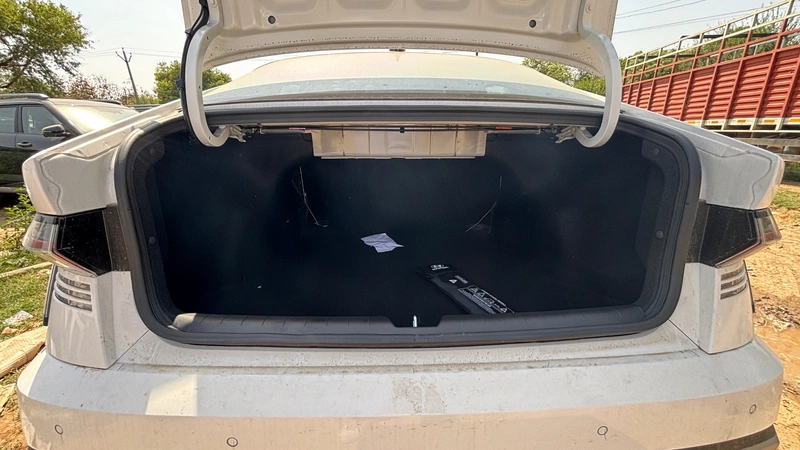
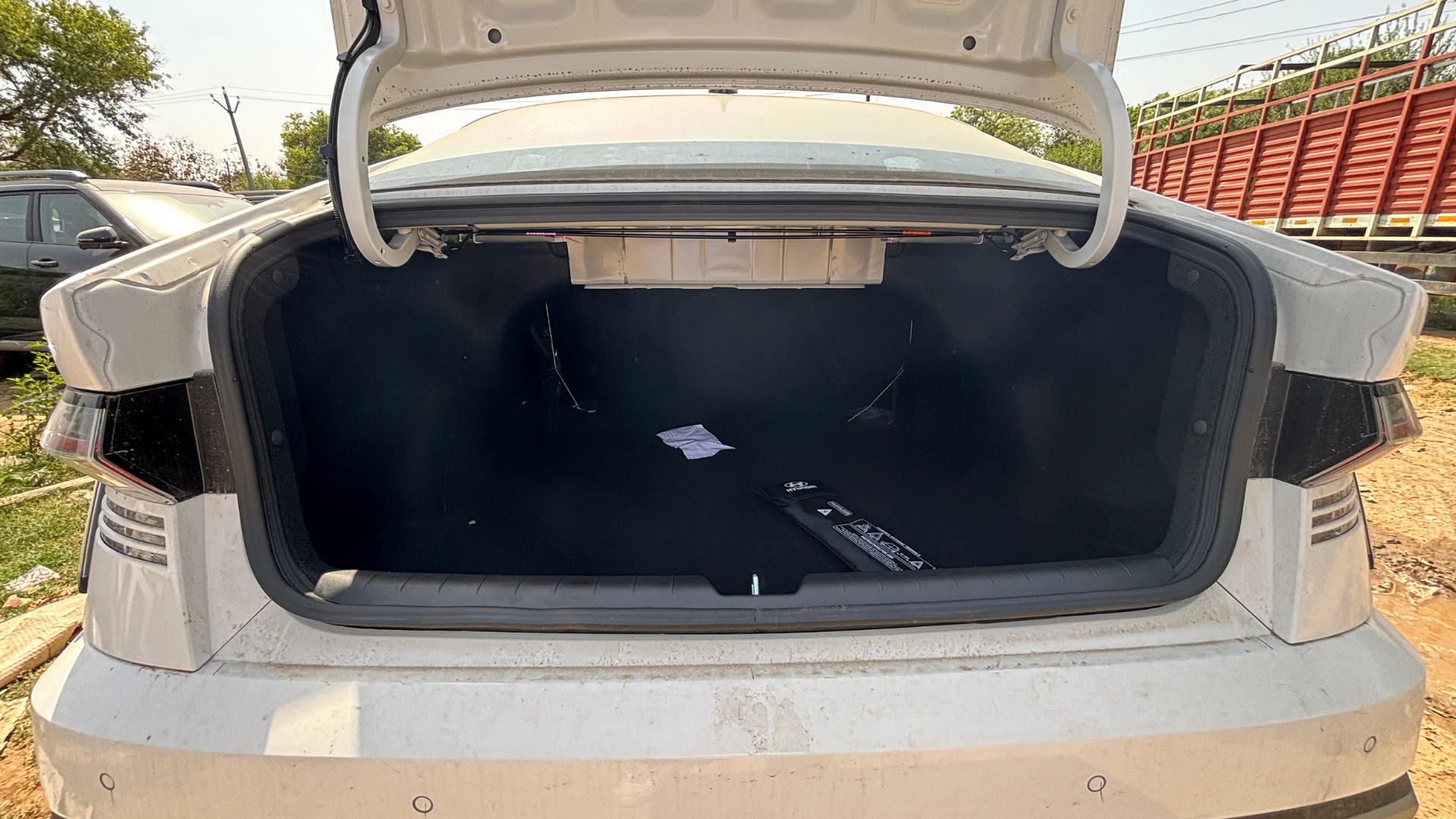
+The Verna offers 528 Litres of boot space. Its dimensions are 4565 mm in length, 1765 mm in width, and it has a wheelbase of 2670 mm.
What colours does the Hyundai Verna come in?
+The Hyundai Verna is available in the following colours: Fiery Red Dual Tone, Fiery Red, Typhoon Silver, Atlas White, Atlas White With Abyss Black, Titan Grey, Tellurian Brown and Abyss Black.