In a major move to improve road safety and reduce emissions, the Ministry of Road Transport and Highways (MoRTH) has announced significant increases in fitness test fees for vehicles. This change affects all types of vehicles, from bikes to heavy trucks. The goal is to prompt owners to reconsider keeping old vehicles on the road.
By raising costs for older models, the ministry aims to speed up the replacement of ageing fleets that often cause accidents and release harmful emissions.
Why is Vehicle Fitness Fee Being Hiked?
India's roads are full of vehicles, many of which are over a decade old. These older machines tend to have worn parts, leading to higher breakdown risks and more air pollution. MoRTH sees the fitness test as a key tool to enforce stricter checks.
Before this update, fees for these fitness tests only kicked in sharply for vehicles over 15 years of age. Now, the ministry has lowered that mark to 10 years. This shift aims to encourage timely renewals and push for scrapping unfit vehicles sooner.
The new rules come through an amendment to the Central Motor Vehicle Rules, and have been applied effective-immediately.
New Vehicle Fitness Fee Hike Explained
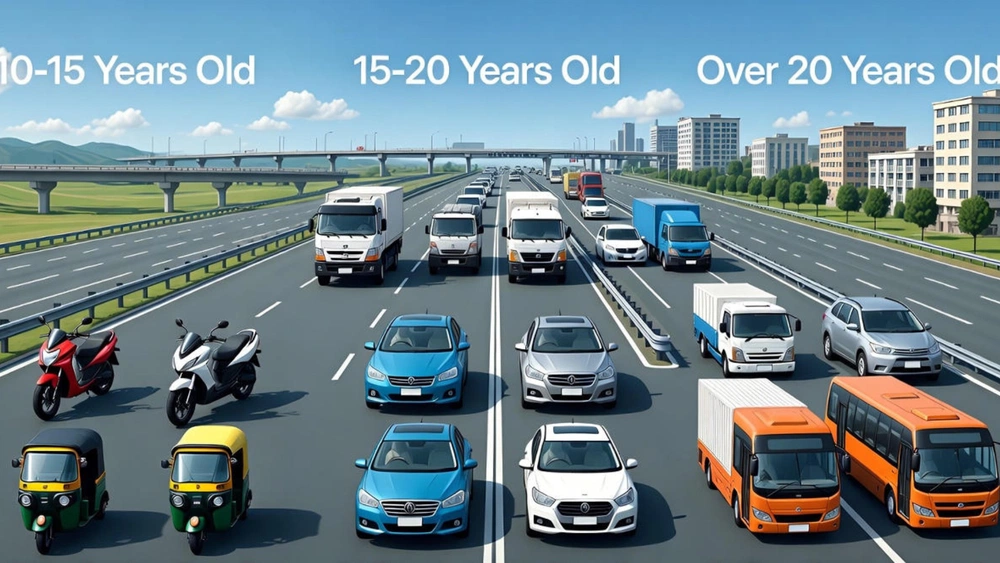
The fees now depend on the vehicle's age and category. MoRTH has split them into three groups: 10 to 15 years old, 15 to 20 years old, and over 20 years old. Both private cars and commercial trucks face rises, though heavier commercial vehicles see the biggest jumps. Here is a clear look at the old and new rates.
Two-Wheelers - These are the most common on Indian roads. The old fee for bikes and scooters over 15 years was around ₹600. Now, fees start earlier at 10 years, climbing up to ₹2,000 for models over 20 years old.
Three-Wheelers - Mostly including auto rickshaws, their old fee for models over 15 years ranged from ₹400 to ₹600, which has risen to ₹3,000. Those over 20 years will now have to pay ₹7,000.
Light Motor Vehicles - All cars fall in this category. Previously, fees for those over 15 years were ₹600 to ₹1,000 - now going up to ₹5,000 for the same. Owners of 20+ year old luxury cars will feel the pinch, with the fees being increased to ₹15,000.
Medium Goods or Passenger Vehicles - These include mid-size vans or small lorries. The old rate for over 15 years stood at ₹1,800, rising to ₹10,000 now. Those older than 20 years will have to pay ₹20,000.
Heavy Goods or Passenger Vehicles - Big trucks and city buses get the toughest increases. Old fees for over 15 years were ₹2,500, rising significantly to ₹12,500. A hefty ₹25,000 fee will apply to vehicles over 20 years old.
Quadricycles, such as the Bajaj Qute, follow similar patterns but with adjusted rates based on their size.
| Category | 10-15 Years (New) | 15-20 Years (Old/New) | Over 20 Years (Old/New) |
| Two-Wheelers (Scooters, Motorcycles) | ₹400 | ₹600 / ₹1,000 | ₹600 / ₹2,000 |
| Three-Wheelers (Auto-Rickshaws) | ₹600 | ₹400 - ₹600 / ₹3,000 | ₹400 - ₹600 / ₹7,000 |
| Light Motor Vehicles (Cars) | ₹600 | ₹600 - ₹1,000 / ₹5,000 | ₹600 - ₹1,000 / ₹15,000 |
| Medium Goods or Passenger Vehicles | ₹1,000 | ₹1,800 / ₹10,000 | ₹1,800 / ₹20,000 |
| Heavy Goods or Passenger Vehicles (Trucks, Buses) | ₹1,000 | ₹2,500 / ₹12,500 | ₹2,500 / ₹25,000 |
Where Can I Get a Vehicle Fitness Certificate?
Fitness tests happen at RTOs (Regional Transport Offices) across the country. Owners can book slots online through the Parivahan Sewa Portal or by visiting the nearest RTO.
Though not specified, EVs may be exempted from these guidelines, since they are non-polluting and their fitness depends on battery health.
These changes apply nationwide, from urban metros to rural highways. Commercial operators, who rely on fleets, will need to budget more for compliance.
Impact on Vehicle Owners and the Industry
For everyday riders, this fee hike might add a small burden to bike or car renewals. But for truckers and transport companies, it could mean thousands extra per vehicle.
On the positive side, cleaner fleets should mean fewer emissions and potentially fewer accidents. Experts predict a boost in the scrap industry, creating jobs and recycling parts.
Manufacturers benefit the most from this hike, as it drives higher demand for new models.
Write a comment
Comments
No comments yet. Be the first to comment!
Trending
Here is How Much Petrol, Diesel And CNG Prices Have Gone Up Since May
India's Sudden Fuel Price Hike Explained
Salil Kumar
May 26, 2026
Diesel Cars DPF Issues And How To Solve Them As Per Experts
Mahindra Diesel Cars DPF Problems Explained
Salil Kumar
May 18, 2026
Featured
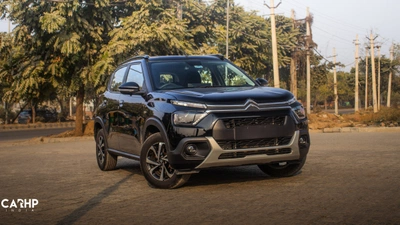
Citroen C3 Review: Who Should Consider This Car?
A few days ago, I took the Citroen C3X out for a spin in the city and on the highways. I travelled long distances and checked its fuel efficiency, features, comfort, and other factors. Today, I’ll briefly share my overall experience with the C3X and will tell you whether you should consider it or not and which is the most value-for-money variant of the lot.
Vatsal Agrawal
May 19, 2026
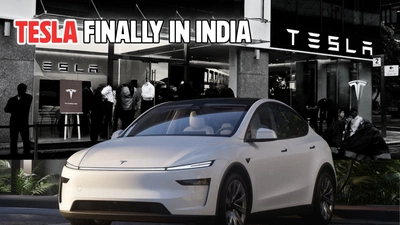
Tesla Finally In India Officially. Why Now And What Does It Mean For EVs?
The much-anticipated 2025 Tesla Model Y has officially arrived in India, marking a pivotal moment for the nation's burgeoning electric vehicle market. Launched on July 15, 2025, the Model Y Juniper facelift offers cutting-edge technology, impressive range, and signature Tesla performance. Positioned as a premium electric SUV, its entry will intensify competition and reshape consumer expectations for EVs across the subcontinent.
Charan Narain
July 17, 2025
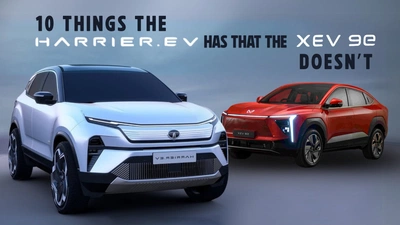
Here Are 10 Things The Harrier.EV Offers That The Mahindra XEV 9E Doesn't
The Harrier.EV is an incredible new offer from Tata. Its most popular competitor would be the Mahindra XEV 9E, priced similarly. With these two incredible offerings from home grown brands available, here is a list of everything the Harrier.EV offers that the XEV 9E doesn't.
Charan Narain
June 13, 2025