Table of Contents
- Key Takeaways
- Key Changes in GST Rates for Cars
- Key Changes in GST Rates for Bikes
- Key Changes in GST Rates for EVs
- Conclusion
Key Takeaways
- GST on cars under 4 metres and with engine displacement less than 1200cc petrol and 1500cc diesel reduced from 28% to 18%. Big cars like Fortuner are now cheaper with with taxes reduced from 50 to 40 percent
- GST on all bikes and scooters below 350cc reduced from 28% to 18%. Increased from 28% to 40% for bikes higher than 350cc.
- EVs still demand only 5% GST.
Key Changes in GST Rates for Cars
Smaller cars, which form the backbone of India’s private transportation, will undergo the biggest drop in taxation. Petrol, diesel, and hybrid cars measuring under 4 metres in length, with engine displacements of 1,200 cc or less for petrol variants and 1,500 cc or less for diesel variants, will now attract an 18% GST rate, down from the previous 28%.
For instance, the Maruti Swift, being a small hatchback under 4 metres with a 1,197 cc engine, qualifies for the 18% GST slab. Currently, the Swift’s mid variant - VXI(O), costs approximately ₹7.5 lakh ex-showroom, including 28% GST plus minimal cess, effective around 29%. Post the tax revision, this price could drop to ₹6.9 lakh ex-showroom, resulting in savings of approximately ₹60,000, making it more appealing for buyers.
Also Read- These carmakers Have Slashed The Prices By Lakhs Thanks To GST 2.0
According to a press release by the Press Information Bureau, “motor vehicles in the category of Utility Vehicles, by whatever name called including Sports Utility Vehicles (SUV), Multi Utility Vehicles (MUV), Multi-purpose Vehicles (MPV) or Cross-Over Utility Vehicles (XUV), with an engine capacity exceeding 1500 cc, length exceeding 4000 mm, and ground clearance of 170 mm and above, will also attract a GST rate of 40% without any cess.”
This means that mid-size sedans like the Skoda Slavia and Volkswagen Virtus, even with their smaller 1.0 litre (999cc) engines, will not benefit from this tax rate revision, as they exceed 4 metres in length. Similarly, the Mahindra Thar petrol (2.0-litre) and 4WD diesel (2.2-litre) variants, despite being a sub-4 metre SUV, will demand a 40% GST rate, thanks to their engine displacements being higher . Th etax is still lower but lower from previous 50 percent
However, since these vehicles were previously subject to an additional 15% to 22% cess over the standard 28% GST, resulting in a total effective tax rate of 43-50%. With the cess now having been removed, these larger cars will still become more affordable.
| Car Category | Total Tax Payable (GST + Cess) before New GST Norms | Total Tax Payable after new GST Norms |
|---|---|---|
| Sub-4 m up to 1200cc petrol | 28% + 1% = 29% | 18% |
| Sub-4 m up to 1500cc diesel | 28% + 3% = 31% | 18% |
| All cars with engines over 1500 cc | 28% + 20% = 48% | 40% |
| SUVs (Length over 4000mm, engine above 1500cc, GC more than 170mm) | 28% + 22% = 50% | 40% |
| Sub-4 m hybrids up to 1200cc petrol or 1500cc diesel | 28% (No Cess) | 18% |
| Hybrids over 1200cc petrol or 1500cc diesel | 28% + 15% = 43% | 40% |
| EVs | 5% (No Cess) | 5% |
Key Changes in GST Rates for Bikes
Bikes and scooters with engine displacements under 350 cc will now demand 18% GST, down from the previous 28%, making commuter bikes within reach for more potential buyers.
The Hero Splendor Plus, an entry-level commuter motorcycle with its 97.2 cc engine, falls under the 350 cc threshold, with a current ex-showroom price of ₹79,426, including the 28% GST. Post tax revision, this price would likely drop to ₹73,200, resulting in possible savings up to around ₹6,226.
However, motorcycles exceeding 350 cc will now see GST rates increase to 40%, up from the earlier effective rate of 31% (28% GST plus 3% cess). This positions high-capacity bikes in a higher tax bracket, equal to luxury goods, potentially impacting sales in this premium segment.
With its 648 cc engine, the Interceptor 650 will be classified for 40% GST from the prior 31% effective rate. Currently costing ₹3.09 lakh ex-showroom, prices post tax revision are expected to go up to ₹3.30 lakh - an increase of about ₹21,000
| 2-Wheeler Category | Total Tax Payable (GST + Cess) before New GST Norms | Total Tax Payable after new GST Norms |
|---|---|---|
| Scooters below 350cc | 28% (No Cess) | 18% |
| Bikes below 350cc | 28% (No Cess) | 18% |
| Bikes above 350cc | 28% + 3% = 31% | 40% |
| EV Scooters and Bikes | 5% (No Cess) | 5% |
Key Changes in GST Rates for EVs
The GST rate on EVs has remained unchanged at 5%. This applies to all cars, motorcycles, scooters, and commercial vehicles, highlighting the Government’s commitment to promoting electric mobility.
Conclusion
By lowering rates on entry-level vehicles, the government aims to stimulate demand among first-time buyers and rural consumers who rely on affordable cars and bikes for connectivity. Larger vehicles, despite the seemingly higher 40% GST, will largely benefit from the elimination of variable cess, except for premium motorcycles facing a tax hike.
The unchanged 5% GST on EVs aligns with the government’s goals to reduce carbon emissions and promote green technology.
As these changes take effect on September 22, 2025, consumers are advised to stay updated about dealership announcements for precise pricing.
Write a comment
Comments
No comments yet. Be the first to comment!
Trending
Here is How Much Petrol, Diesel And CNG Prices Have Gone Up Since May
India's Sudden Fuel Price Hike Explained
Salil Kumar
May 26, 2026
Diesel Cars DPF Issues And How To Solve Them As Per Experts
Mahindra Diesel Cars DPF Problems Explained
Salil Kumar
May 18, 2026
Featured
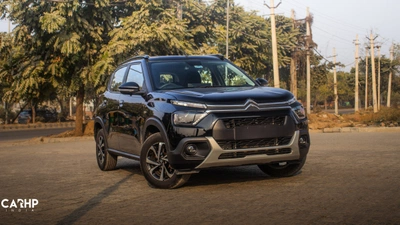
Citroen C3 Review: Who Should Consider This Car?
A few days ago, I took the Citroen C3X out for a spin in the city and on the highways. I travelled long distances and checked its fuel efficiency, features, comfort, and other factors. Today, I’ll briefly share my overall experience with the C3X and will tell you whether you should consider it or not and which is the most value-for-money variant of the lot.
Vatsal Agrawal
May 19, 2026
Tesla Finally In India Officially. Why Now And What Does It Mean For EVs?
The much-anticipated 2025 Tesla Model Y has officially arrived in India, marking a pivotal moment for the nation's burgeoning electric vehicle market. Launched on July 15, 2025, the Model Y Juniper facelift offers cutting-edge technology, impressive range, and signature Tesla performance. Positioned as a premium electric SUV, its entry will intensify competition and reshape consumer expectations for EVs across the subcontinent.
Charan Narain
July 17, 2025
Here Are 10 Things The Harrier.EV Offers That The Mahindra XEV 9E Doesn't
The Harrier.EV is an incredible new offer from Tata. Its most popular competitor would be the Mahindra XEV 9E, priced similarly. With these two incredible offerings from home grown brands available, here is a list of everything the Harrier.EV offers that the XEV 9E doesn't.
Charan Narain
June 13, 2025