
EMI Loading
Yamaha FZS-FI V3 Key Specifications
Yamaha FZS-FI V3 Variants & Prices
| Variant Details | Ex. Showroom Price | |
|---|---|---|
FZS-FI V3 Matte Red And Matte Grey Base Model | ₹ 1.13 Lakh* | |
FZS-FI V3 Dark Knight Top Model | ₹ 1.14 Lakh* |
FZS-FI V3 Matte Red And Matte Grey
FZS-FI V3 Dark Knight
Yamaha FZS-FI V3 Comparison with similar Bikes
Pros & Cons of Yamaha FZS-FI V3
Things We Like
- Excellent chassis balance and agile city handling.
- Refined, fuel-efficient engine with a strong low-end.
Things We Don't Like
- Engine power output is significantly lower than rivals.
- Lacks the superior safety of dual-channel ABS.
Yamaha FZS-FI V3 Overview

Engine, Performance and Mileage
Engine, Performance and Mileage
The Yamaha FZS-FI V3 is powered by a 149cc, single-cylinder, air-cooled, SOHC, 2-valve engine compliant with BS6 Phase 2 and E20 fuel norms. This fuel-injected unit produces a modest 12.4 PS of power at 7,250 rpm and 13.3 Nm of torque at 5,500 rpm, paired with a 5-speed constant mesh transmission. On paper, these figures place the FZS-FI V3 at the lower end of the performance spectrum within its class. However, the engine’s strength lies not in outright acceleration but in its tractability and refinement. The peak torque is delivered early in the rev range, which translates to a responsive and user-friendly character for city commuting. Throttle response is crisp and linear, allowing for smooth progress through dense traffic without frequent gear changes.
In urban environments, the motorcycle feels sprightly and adequate up to 60-70 km/h. On the highway, the engine’s limitations become apparent. It feels strained beyond 80-85 km/h, with vibrations creeping in through the footpegs and handlebars. Overtaking manoeuvres at higher speeds require careful planning and a downshift. The 5-speed gearbox is precise, with light clutch action easing the riding experience. In terms of fuel efficiency, Yamaha’s “Blue Core” technology delivers commendable results, with real-world figures consistently hovering between 45-48 kmpl under mixed riding conditions, making it an economically viable daily commuter.
posture comfort
posture comfort
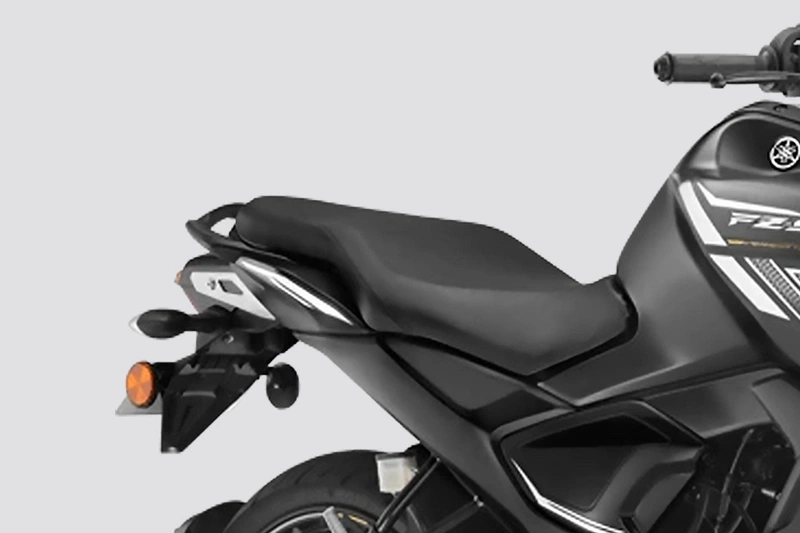
The FZS-FI V3 is engineered with rider comfort as a key priority, especially for daily commutes. The rider’s triangle is neutral and upright, courtesy of a slightly raised, single-piece handlebar and mid-set footpegs. This posture minimises strain on the wrists and back, making it suitable for long hours in the saddle. The single-piece seat is well-cushioned, wide, and spacious for the rider. However, the pillion section is less generous; while adequate for short city trips, its compact size and the design of the split grab rails may prove less comfortable on longer journeys. The 790mm seat height makes the motorcycle accessible to a wide range of riders, allowing most to plant their feet firmly on the ground.
From a practical standpoint, the 13-litre fuel tank, combined with its efficient engine, offers a useful range of over 550 kilometres between refills. Being a relatively low-compression, air-cooled engine, heat management is excellent, with no noticeable heat directed towards the rider’s legs even in stop-and-go traffic. While the motorcycle does not offer built-in storage, the flat and wide pillion seat allows for easy mounting of tail bags or other forms of luggage for occasional touring. The overall package is a well-thought-out commuter that balances ergonomics with everyday usability, though pillion comfort could be improved.
handling ride quality
handling ride quality
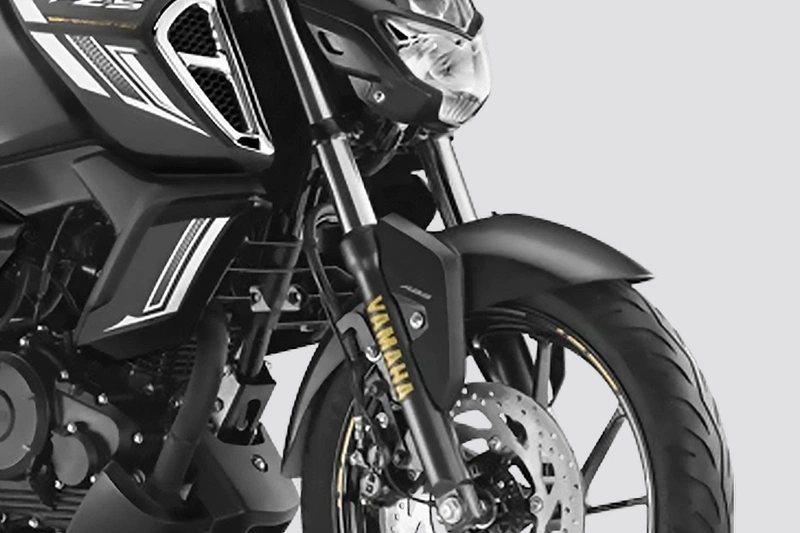
The FZS-FI V3’s dynamic prowess is anchored by its proven diamond-type frame, a characteristic that has defined the FZ series since its inception. The suspension setup comprises conventional telescopic forks at the front and a 7-step preload-adjustable monocross unit at the rear. This configuration is tuned for a balance between comfort and stability. It adeptly absorbs minor road imperfections and undulations, providing a compliant ride quality suitable for Indian city roads. However, sharp-edged potholes can send a jolt through the chassis. Its low kerb weight of 135 kg, combined with an accessible 790mm seat height, makes it exceptionally agile and easy to manoeuvre in congested traffic.
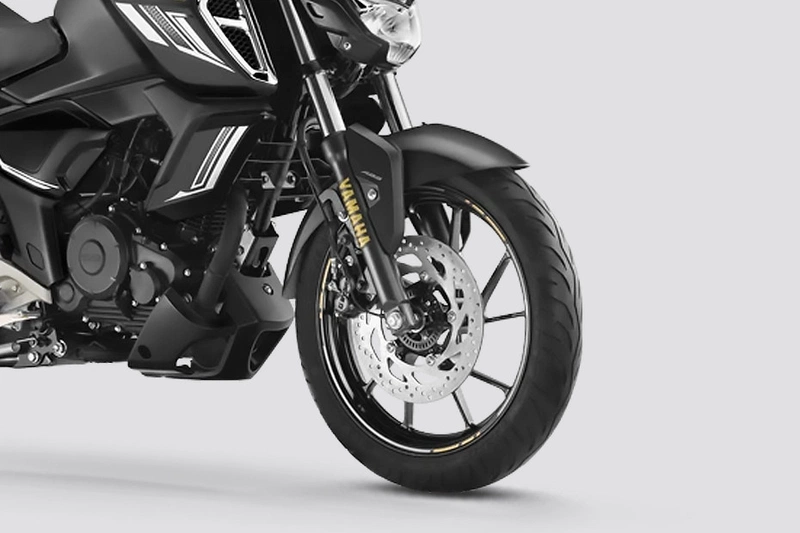
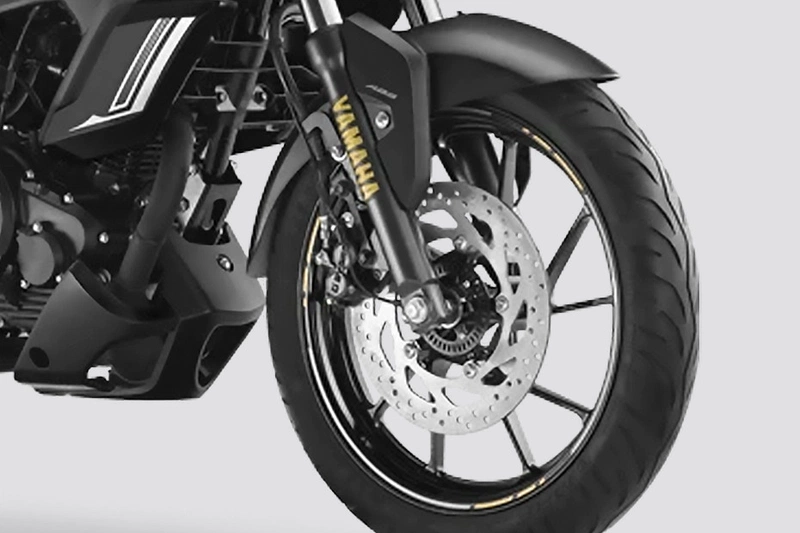
The motorcycle’s handling is its most significant asset. The wide, 140/60-R17 rear radial tyre provides a large contact patch, inspiring immense confidence while cornering. The chassis communicates feedback effectively, allowing the rider to hold a line with precision. High-speed stability is commendable for a bike of its class. The braking system consists of a 282mm disc at the front and a 220mm disc at the rear, governed by a single-channel ABS on the front wheel. While competitors like the Bajaj Pulsar N160 offer the superior safety of dual-channel ABS, the FZ’s setup provides adequate stopping power. The braking feedback is progressive, and the system performs predictably in both dry and wet conditions, though the absence of rear ABS is a notable compromise.
design
design
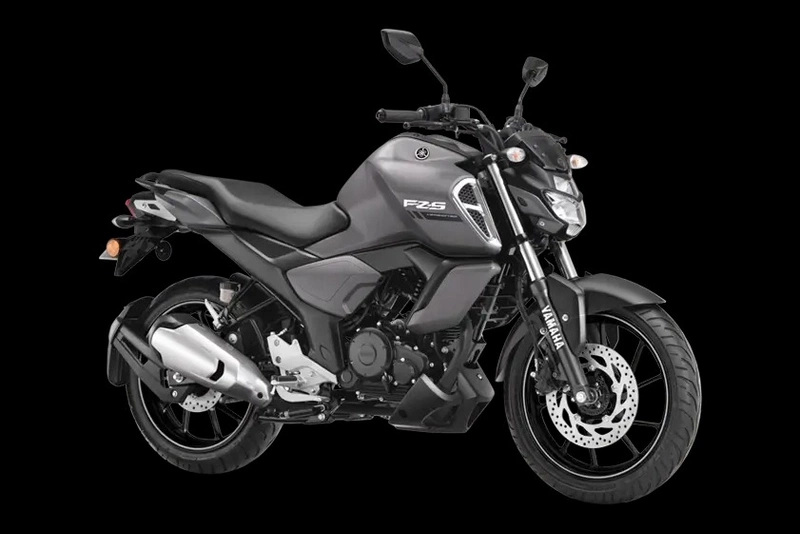
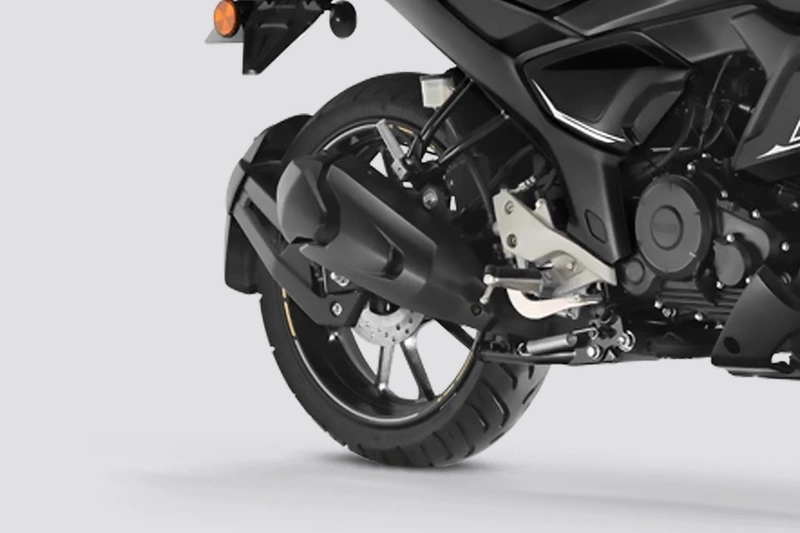
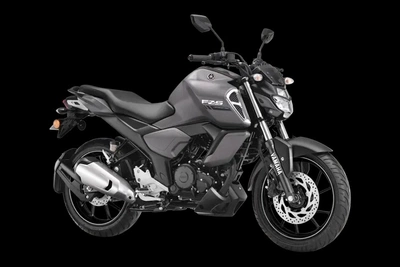
Yamaha has retained the FZ’s signature 'macho' design language, characterised by a sculpted fuel tank with chrome accents, a forward-mass silhouette, and a stubby exhaust. This muscular aesthetic continues to be a primary draw for buyers. The lighting system is contemporary, featuring a bright and effective bi-functional Class D LED headlamp that offers good spread and visibility for night riding. The tail lamp is also an LED unit. The instrument cluster is a fully digital negative LCD display, which is compact and legible under most lighting conditions. It provides essential information such as a speedometer, tachometer, fuel gauge, odometer, and trip meters. However, it notably omits a gear position indicator and a real-time mileage indicator, features that are increasingly standard in the segment.
A key update in the latest version is the integration of Yamaha’s Y-Connect Bluetooth module. This system allows riders to pair their smartphone with the motorcycle to receive call, SMS, and email alerts on the dashboard, and access data like fuel consumption tracking, maintenance recommendations, and last parked location via the app. Another significant addition is the Traction Control System (TCS), a first-in-segment feature that enhances safety on low-grip surfaces. A side-stand engine cut-off switch is also standard fitment, rounding out a practical, if not exhaustive, feature list.
safety
safety
Yamaha has equipped the FZS-FI V3 with a respectable, albeit not class-leading, safety package. The primary active safety feature is the single-channel Anti-lock Braking System (ABS), which operates on the 282mm front disc brake. This system prevents the front wheel from locking up during emergency braking, thereby maintaining steering control and reducing the risk of a fall, particularly on slippery surfaces. While effective, this is a notable compromise when key competitors, such as the Bajaj Pulsar N160, have moved to dual-channel ABS, which provides anti-lock protection to both wheels.
The most significant safety addition to the V3 model is the segment-first Traction Control System (TCS). This electronic aid monitors rear-wheel speed and intervenes by momentarily cutting engine power if it detects excessive wheelspin. This is particularly beneficial in Indian riding conditions, where loose gravel, sand, or wet patches are common. The system adds a crucial layer of safety by preventing the rear tyre from sliding out during acceleration on low-traction surfaces. Other standard safety features include a side-stand engine cut-off function, which prevents the motorcycle from being ridden with the stand engaged, and an always-on LED headlamp that enhances visibility to other road users.
competition
competition
The 150-160cc segment is fiercely contested, and the Yamaha FZS-FI V3 faces several well-equipped rivals.
TVS Apache RTR 160 4V:
This motorcycle is the undisputed performance benchmark in the category. Its 159.7cc, 4-valve, oil-cooled engine produces a potent 17.55 PS, far exceeding the FZ’s output. It also comes packed with features like three distinct riding modes (Urban, Sport, Rain), Glide Through Technology for traffic, and a fully digital console with more data.
Differentiator: Unmatched engine performance and a feature-rich package.
Bajaj Pulsar N160:
The Pulsar N160 presents a modern and compelling alternative. Its biggest advantage is the segment-first dual-channel ABS, offering a superior safety net compared to the FZ's single-channel setup. Its 164.82cc engine delivers a strong mid-range punch, and it strikes an excellent balance between sporty handling and ride comfort.
Differentiator: Superior braking safety with standard dual-channel ABS.
Honda Unicorn:
For buyers prioritising absolute comfort, reliability, and engine smoothness, the Honda Unicorn remains a formidable choice. Its 162.7cc engine is renowned for its refinement and linear power delivery. The motorcycle’s long, comfortable seat and compliant monoshock suspension are tailored for hassle-free commuting over any distance.
Differentiator: Unmatched engine refinement and superior ride comfort.
buying advice
buying advice
Who should buy it?
The FZS-FI V3 is ideal for the urban commuter who prioritises brand reputation, refined handling, fuel efficiency, and muscular styling over outright performance. It suits riders looking for a reliable, agile, and stylish daily-use motorcycle with modern safety aids like Traction Control.
Who should skip it?
Performance-oriented buyers and frequent highway riders should look elsewhere. Those who prioritise superior braking safety will find the Bajaj Pulsar N160’s dual-channel ABS more compelling, while riders seeking more features and power for a similar price may prefer the TVS Apache RTR 160 4V.
Yamaha FZS-FI V3 Specifications & Features
Engine & Transmission
| Starting | Self Start Only |
| Engine Type | Air cooled, 4-stroke, SOHC, 2-valve |
| Displacement | 149 cc |
| Max Torque | 13.3 Nm @ 5500 rpm |
| Number of Cylinders | 1 |
| Cooling System | Air Cooled |
| Fuel Supply | Fuel Injection |
| Gear Box | 5 Speed |
| Bore | 57.3 mm |
| Stroke | 57.9 mm |
| Compression Ratio | 9.6 : 1 |
| Emission Type | BS6.2 |
| Clutch | Wet, multi-disc |
| Valve Per Cylinder | 2 |
| gear shifting pattern | 1 Down 4 Up |
| spark plugs per cylinder | 1 Per Cylinder |
Motor & Battery
| Drive Type | Chain Drive |
| Transmission | Manual |
| Peak Power | 12.4 PS @ 7250 rpm |
Mileage & Performance
| Overall Mileage | 49.31 kmpl |
| City Mileage | 49.31 kmpl |
| Highway Mileage | 55.42 kmpl |
Performance
| Top Speed | 115 kmph |
Chassis & Suspension
| Body Type | Sports Bikes |
Tyres & Brakes
| Front Brake Diameter | 282 mm |
| Rear Brake Diameter | 220 mm |
| Radial Tyre | |
| Front Tyre Pressure Rider | 28 psi |
| Front Tyre Pressure Rider Pillion | 28 |
| Rear Tyre Pressure Rider | 28 psi |
| Rear Tyre Pressure Rider Pillion | 28 |
Dimensions & Capacity
| Width | 780 mm |
| Length | 1990 mm |
| Height | 1080 mm |
| Fuel Capacity | 13 L |
| Ground Clearance | 165 mm |
| Wheelbase | 1330 mm |
| Kerb Weight | 134 Kg |
| Fuel Reserve | 2 L |
| Seat Height | 790 mm |
| pillion grab rail | |
| pillion seat |
Electricals
| Headlight | LED |
| Taillight | LED |
| Turn Signal Lamp | Bulb |
| Low Oil Indicator | |
| Low Fuel Indicator | |
| Drls |
Features & Safety
| Pass Switch | |
| Additional Features |
|
| Tachometer | Digital |
| Engine Kill Switch | |
| hazard warning indicator | |
| high beam indicator | |
| malfunction indicator | |
| no of tripmeters | 2 |
| saree guard | |
| stand alarm |
Features
| Instrument Console | Digital |
| Speedometer | Digital |
| Tripmeter | Digital |
| Seat Type | Single |
| Clock | |
| Passenger Footrest | |
| Odometer | Digital |
| Body Graphics | |
| Call SMS Alerts | |
| digital display type | LCD Connectivity |
App Features
| Calls & Messaging |
Underpinnings
| Suspension Front | Telescopic fork |
| Suspension Rear | 7-Step Adjustable Monocross Suspension |
| Brakes Front | Disc |
| Brakes Rear | Disc |
| Tyre Size | Front :-100/80-17 Rear :-140/60-17 |
| Wheel Size | Front :-431.8 mm,Rear :-431.8 mm |
| Wheels Type | Alloy |
| Tubeless Tyre | 1 |
| ABS | Single Channel |
| Frame | Diamond Type |
| first service | 1000 Kms/30 Days |
| second service | 4000 Kms/150 Days |
| third service | 7000 Kms/270 Days |
| fourth service | 10000 Kms |
| caliper front piston | 2 |
| caliper rear piston | 1 |
| Tyre Type | Tubeless |
Warranty
| Vehicle Warranty | 2 Years or 30,000 Km |
Yamaha FZS-FI V3 Price in Cities
₹ 1.33 Lakh - 1.34 Lakh
₹ 1.31 Lakh - 1.32 Lakh
₹ 1.28 Lakh - 1.31 Lakh
₹ 1.31 Lakh - 1.32 Lakh
₹ 1.27 Lakh - 1.28 Lakh
₹ 1.37 Lakh - 1.38 Lakh
₹ 1.31 Lakh - 1.32 Lakh
₹ 1.27 Lakh - 1.28 Lakh
₹ 1.33 Lakh - 1.34 Lakh
₹ 1.42 Lakh - 1.43 Lakh
Popular Brands





Yamaha FZS-FI V3 Comparisons
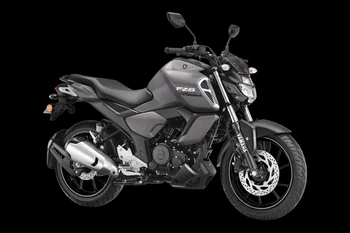
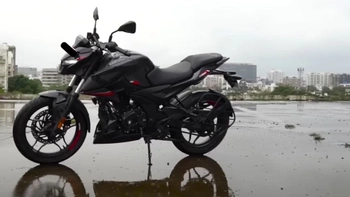
Yamaha FZS-FI V3
₹1.13 - 1.14 Lakh
Bajaj Pulsar N160
₹1.16 - 1.29 Lakh
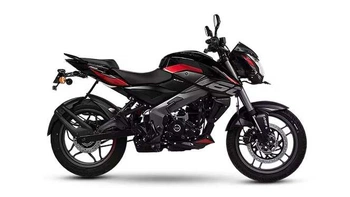
Yamaha FZS-FI V3
₹1.13 - 1.14 Lakh
Bajaj Pulsar NS160
₹1.24 - 1.32 Lakh
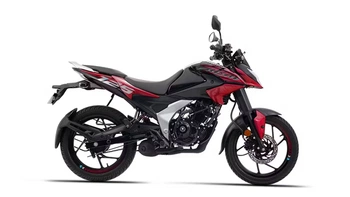
Yamaha FZS-FI V3
₹1.13 - 1.14 Lakh
Bajaj Pulsar N125
₹92,270
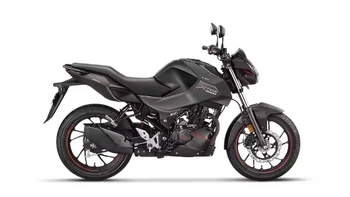
Yamaha FZS-FI V3
₹1.13 - 1.14 Lakh
Hero Xtreme 160R
₹1.09 Lakh
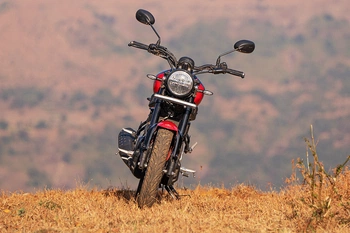
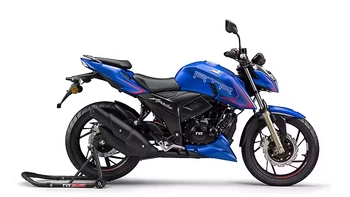
Yamaha FZS-FI V3
₹1.13 - 1.14 Lakh
Yamaha XSR 155
₹1.50 - 1.60 Lakh
Yamaha FZS-FI V3
₹1.13 - 1.14 Lakh
TVS Apache RTR 200 4V
₹1.42 - 1.50 Lakh
Yamaha FZS-FI V3
₹1.13 - 1.14 Lakh
Bajaj Pulsar N160
₹1.16 - 1.29 Lakh
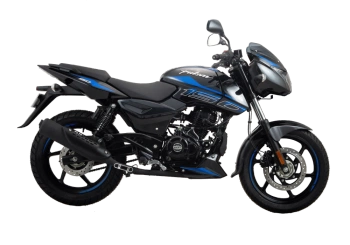
Yamaha FZS-FI V3
₹1.13 - 1.14 Lakh
Bajaj Pulsar 150
₹1.11 - 1.18 Lakh
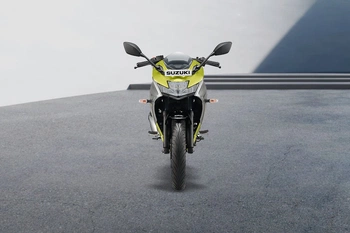
Yamaha FZS-FI V3
₹1.13 - 1.14 Lakh
Suzuki Gixxer SF
₹1.39 Lakh
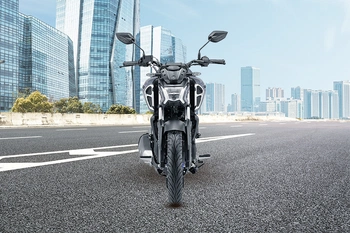
Yamaha FZS-FI V3
₹1.13 - 1.14 Lakh
Yamaha FZS-FI V4
₹1.20 Lakh