
EMI Loading
TVS iQube Key Specifications
TVS iQube Variants & Prices
| Variant Details | Ex. Showroom Price | |
|---|---|---|
iQube 2.2 kWh Base Model | ₹ 1.15 Lakh* | |
iQube 2.3 kWh68 km/Hr | 94 km/charge | ₹ 1.20 Lakh* | |
iQube 3.1 kWh82 km/Hr | 123 km/charge | 5 Hr | ₹ 1.25 Lakh* |
iQube 2.2 kWh
iQube 2.3 kWh
iQube 3.1 kWh
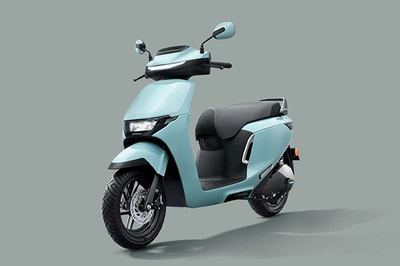
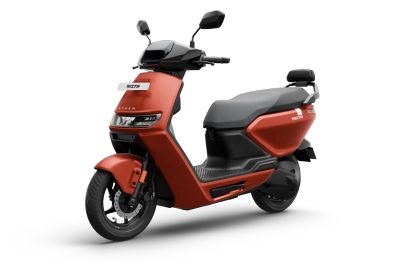
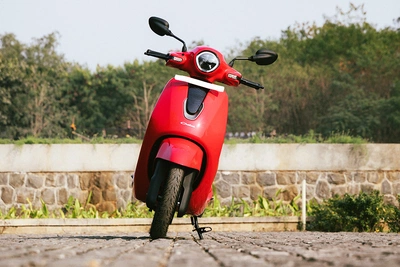
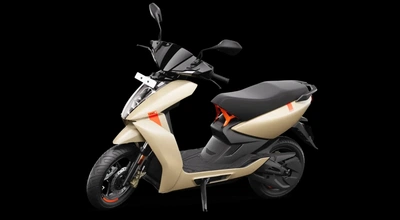
TVS iQube Comparison with similar Bikes
Pros & Cons of TVS iQube
Things We Like
- Hill Hold available on the 3.1 kWh variant, absent on most rivals at this price
- 950W portable charger works on any standard household socket
Things We Don't Like
- Plastic panels feel low-rent in places and reduce the premium feel
- Brake lever response is soft, especially under hard braking situations
TVS iQube Overview

The TVS iQube is the starting point aside from the S and ST versions, but buyers still get three battery options to choose from. The 2.3 kWh version has a claimed IDC range of 114 km, while the 3.1 kWh and 3.5 kWh versions stretch that to 123 km and 145 km respectively.
That gives the range a fairly straightforward split, with the larger batteries offering more range as well as more performance.
The difference is noticeable on paper too. The 2.3 kWh version uses a 5 hp hub-mounted motor and has a top speed of 68 km/h. The 3.1 kWh and 3.5 kWh versions get a 6 hp motor producing 33 Nm, and both can reach 82 km/h. The smaller version takes 4.7 seconds to go from 0 to 40 km/h, while the two larger battery versions manage the same sprint in 4.2 seconds.
Across the range, the iQube gets TVS's SmartXonnect system. It covers features such as turn-by-turn navigation, call and SMS alerts, geofencing, crash and fall alerts and anti-theft alerts through the TVS app.
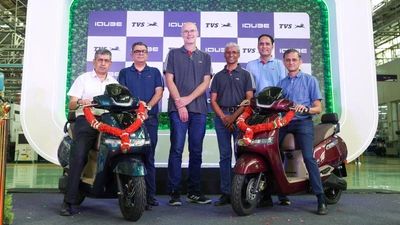
Charging is handled by a portable 950W charger that can be connected to a standard household socket. There is also a limited MillionR Edition based on the 3.5 kWh version, finished in Aurora Green to mark the sale of one million iQubes.
Battery and Motor
Battery and Motor
The iQube's 2.3 kWh battery produces 5 hp, while the 3.1 kWh and 3.5 kWh versions step up to 6 hp and 33 Nm. The result is a top speed of 68 km/h for the smaller battery version and 82 km/h for the other two.
Acceleration from 0 to 40 km/h is rated at 4.7 seconds and 4.2 seconds respectively. Both Eco and Power modes are available regardless of the battery chosen.
Range is where the three versions are most clearly separated. The 2.3 kWh battery has a claimed IDC range of 114 km, followed by 123 km for the 3.1 kWh and 145 km for the 3.5 kWh. Their certified usable capacities are 2.1 kWh, 2.7 kWh and 3.2 kWh respectively, which are lower than their rated capacities.
Charging from 0 to 80 percent with the 950W portable charger takes 2 hours 50 minutes for the 2.3 kWh battery, 4 hours 3 minutes for the 3.1 kWh and 4 hours 40 minutes for the 3.5 kWh. Regenerative braking is standard on all three.
design
design
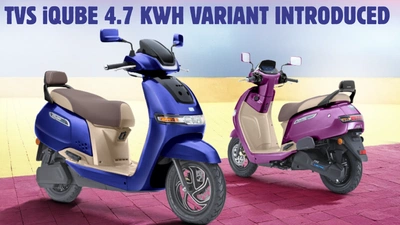
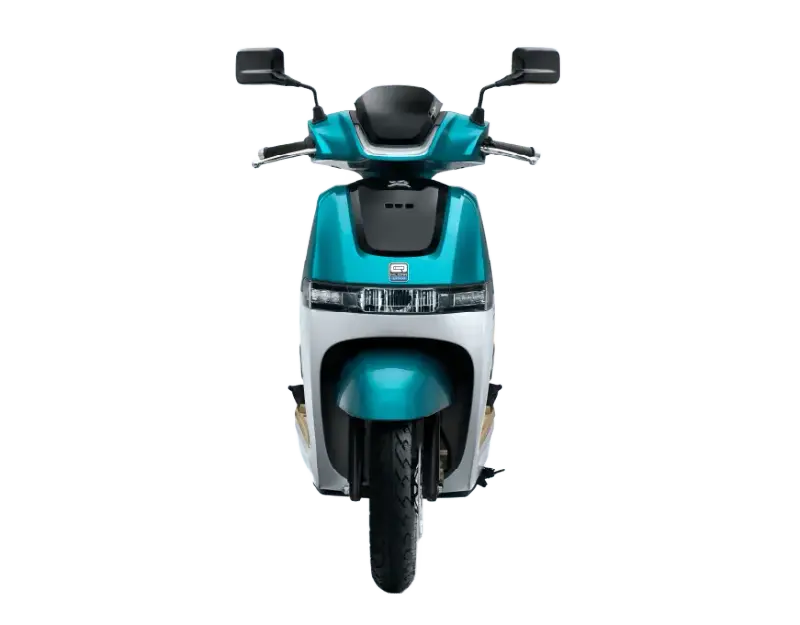
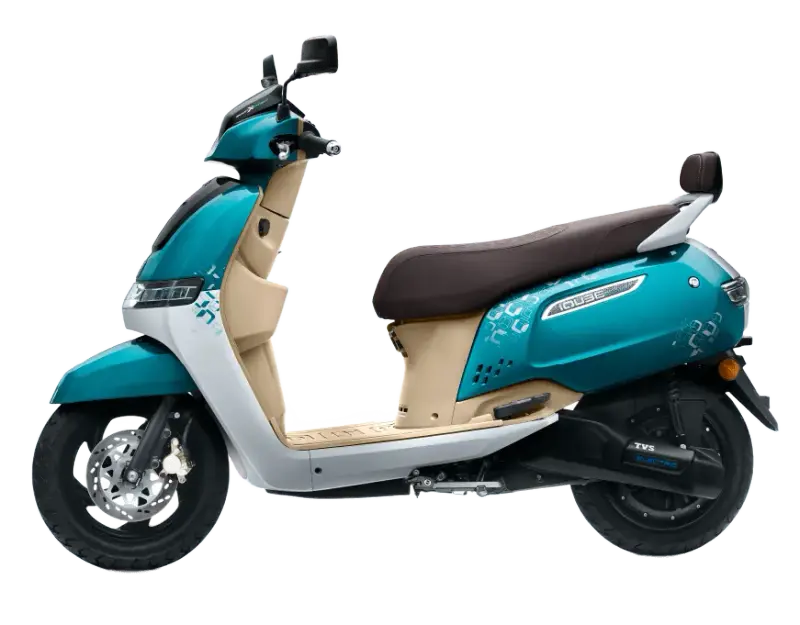
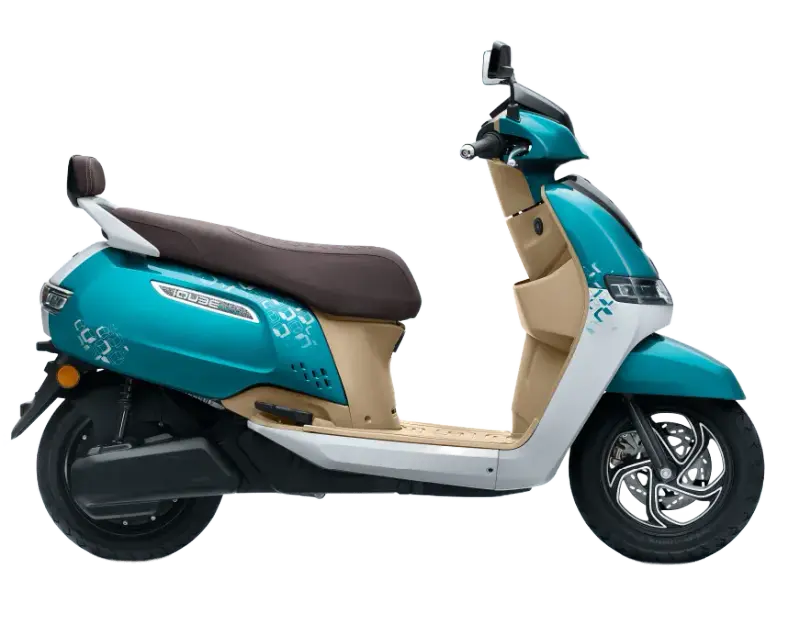
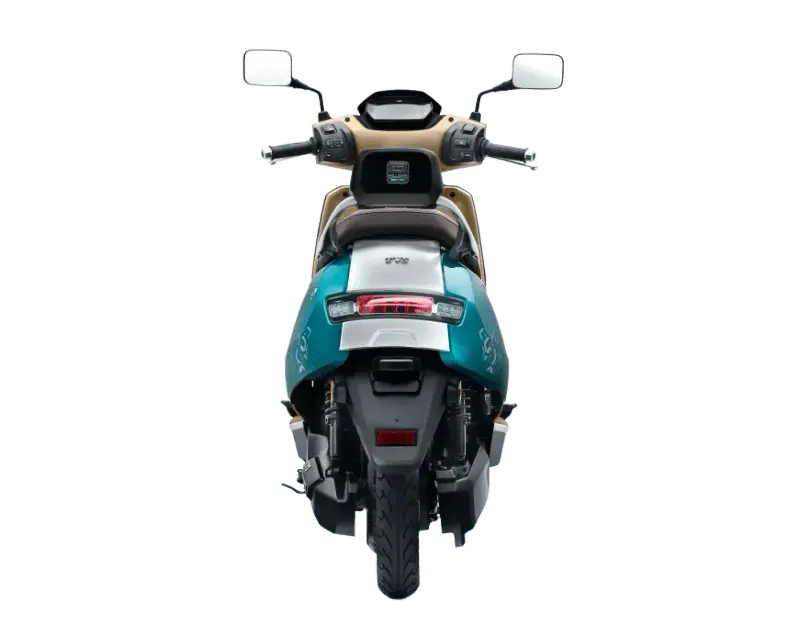
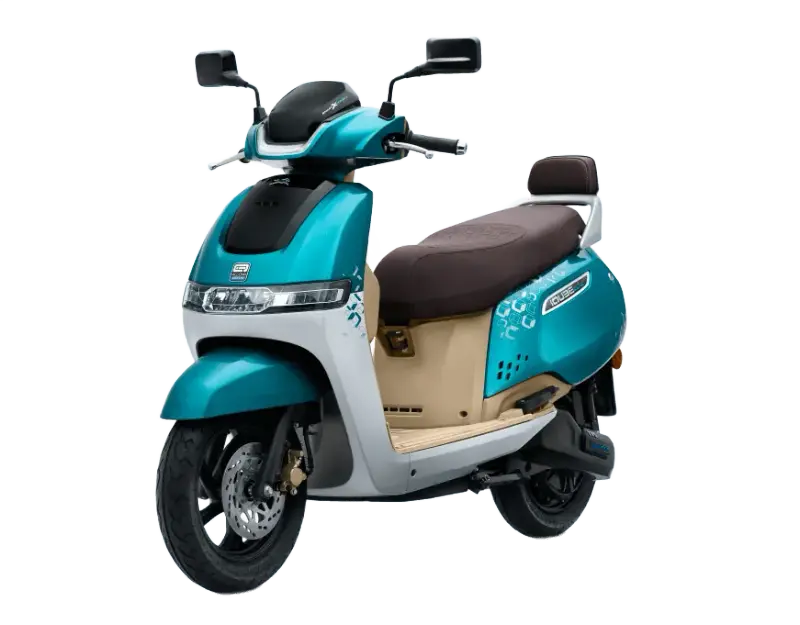
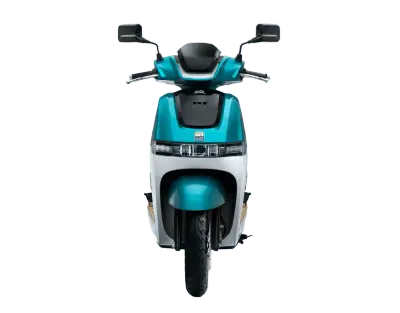
The iQube takes a fairly restrained approach to styling. Its bodywork is made up of smooth, rounded panels, with the front LED headlamp and turn signal lamp integrated into a single unit. A small visor sits above the lighting, while the rear follows the same approach with an LED tail lamp that incorporates the turn signals.
It is a design that keeps the scooter looking fairly neutral rather than leaning heavily towards either a sporty or retro theme.
There are some differences between the battery versions beyond what sits underneath the floorboard. The 2.3 kWh gets a 12.7 cm LCD instrument console, while the 3.1 kWh and 3.5 kWh use a 12.77 cm TFT display.
All three use a telescopic fork at the front and a hydraulic twin-tube shock absorber at the rear, with neither end offering adjustment. The 12-inch wheels use 90/90-12 tubeless tyres, and ground clearance is 157 mm.
Storage is another area where the larger versions have a small advantage. The 2.3 kWh has 30 litres of underseat space, while the 3.1 kWh and 3.5 kWh get 32 litres. All versions have a USB charging port inside the storage compartment.
safety
safety
As for safety, iQube's braking equipment varies with the battery size too. The 2.3 kWh version uses 130 mm drums at both ends, while the 3.1 kWh and 3.5 kWh versions have a 220 mm front disc and a 130 mm rear drum. None of the Standard variants gets ABS or CBS.
The 3.1 kWh version is the only one in the range to get Hill Hold, which is intended to prevent the scooter from rolling backwards when stopped on an incline.
Parking Assist is standard and provides both forward and reverse functions. The SmartXonnect system adds crash and fall alerts, anti-theft alerts and geofencing, while the battery and electronic components have water and dust resistance certification.
competition
competition
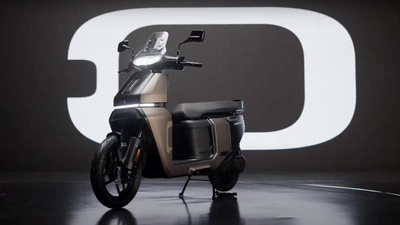
The TVS iQube Standard competes closely with electric scooters such as the Ola S1 X, Bajaj Chetak and Ather Konarc S. Each takes a slightly different approach to the same everyday electric scooter market.
The S1 X puts more emphasis on performance, with a top speed of up to 90 km/h and a higher claimed range with comparable battery sizes. It also gets a larger display. The iQube's case rests more on its established presence, TVS's dealership and service network and features such as Hill Hold on the 3.1 kWh version.
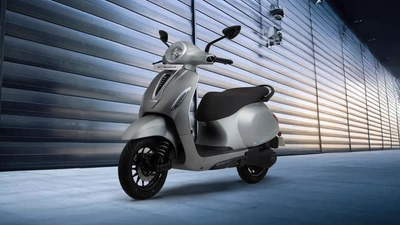
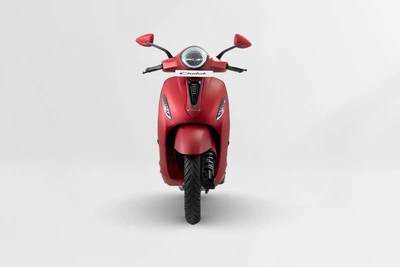
The Chetak is perhaps the more traditional alternative of the three, with the strength of the Bajaj name and its dealer network behind it. The iQube has the advantage in storage, offering up to 32 litres against the Chetak's 22 litres. It also offers SmartXonnect features such as turn-by-turn navigation and crash alerts, which are not available on the Chetak's base variants.
The Konarc S 125 km and S 161 km are positioned in a similar price range and use a steel unibody chassis, with an IP67-rated motor and battery. The iQube has been around longer, giving it an established service network and several years of OTA update experience across the iQube range.
TVS iQube Specifications & Features
Engine & Transmission
| Motor Power | 4.4 kW |
| Starting | Push Button Start |
| Number of Batteries | |
| Motor IP Rating | IP67 |
Motor & Battery
| Drive Type | Hub Motor |
| Battery Type | Li-ion |
| Reverse Assist | |
| Transmission | Automatic |
| Peak Power | 4.4 kW |
| Motor Type | BLDC |
| Battery Warranty | 3 Years or 50,000 Km |
| Motor Warranty | 3 Year |
| Torque Motor | 140 Nm |
| Torque Wheel | NaN PS |
| Water Proof Rating | IP67 |
Mileage & Performance
| zero to 40 kmph | 4.20 s |
Performance
| Top Speed | 75 kmph |
| Scooter Speed | High |
| average speed |
Chassis & Suspension
| Body Type | Electric Scooters |
Tyres & Brakes
| Front Brake Diameter | 220 mm |
| Rear Brake Diameter | 130 mm |
Dimensions & Capacity
| Width | 645 mm |
| Length | 1805 mm |
| Height | 1140 mm |
| Ground Clearance | 157 mm |
| Wheelbase | 1301 mm |
| Kerb Weight | 110 Kg |
| Load Carrying Capacity | 130 Kg |
| Boot Space | Yes Litres |
| Seat Height | 770 mm |
| pillion seat |
Electricals
| Headlight | LED |
| Taillight | LED |
| Turn Signal Lamp | LED |
| Low Battery Indicator | |
| Drls |
Features & Safety
| Charging Point | 1 |
| Pass Switch | |
| Additional Features |
|
| Riding Modes | |
| Service Due Indicator | |
| Gradeability | 10 degree |
| EBS | |
| Braking Type | Synchronized Braking System |
| Internet Connectivity | |
| Fast Charging | |
| Telematics | |
| hazard warning indicator | |
| hazard warning lights | |
| high beam indicator | |
| no of tripmeters | 2 |
| stand alarm | |
| vehicle location tracking |
Features
| Instrument Console | Digital |
| Speedometer | Digital |
| Tripmeter | Digital |
| Seat Type | Single |
| Clock | |
| Passenger Footrest | |
| Underseat Storage | 30 |
| Navigation | |
| Odometer | Digital |
| Usb Charging Port | |
| Call SMS Alerts | |
| Regenerative Braking | |
| Ota | |
| Charger Output | 950 W |
| carry hook | |
| Distance To Empty Indicator | |
| brightness control | |
| digital display type | TFT |
| display size inch | 5.0 |
App Features
| Low Battery Alert | |
| Navigation Assist | |
| Calls & Messaging | |
| Geo Fencing |
Charging Features
| Charging at Home | |
| Charging at Charging Station | |
| Charging Time 0-80 | 2 Hrs 45 Min |
| Charging Network or Battery Swapping Network | |
| Charging Time 0-100 | 5 Hrs |
Underpinnings
| Suspension Front | Telescopic |
| Suspension Rear | Hydraulic Twin Tube Shock Absorber |
| Brakes Front | Disc |
| Brakes Rear | Drum |
| Tyre Size | Front :-90/90-12 Rear :-90/90-12 |
| Wheel Size | Front :-304.8 mm,Rear :-304.8 mm |
| Wheels Type | Alloy |
| Tubeless Tyre | 1 |
| Frame | Tubular Structure |
| Tyre Type | Tubeless |
Warranty
| Mobile Application |
TVS iQube FAQs
What is the TVS iQube Standard, and who is it for?
−The iQube Standard is TVS's entry-level electric scooter, designed for daily urban commuting. It prioritises practicality, ease of charging, and connected features over performance, and is suited to buyers making a first switch from a conventional petrol scooter.
How many battery options does the TVS iQube Standard come in?
+Three: 2.3 kWh, 3.1 kWh, and 3.5 kWh, with IDC-certified ranges of 114 km, 123 km, and 145 km respectively. A limited MillionR Edition uses the 3.5 kWh battery.
What is the motor output of the TVS iQube Standard?
+The 2.3 kWh variant uses a 5 hp hub-mounted BLDC motor. The 3.1 kWh and 3.5 kWh variants both use a 6 hp BLDC motor producing 33 Nm of torque.
What is the top speed of the TVS iQube Standard?
+68 km/h on the 2.3 kWh variant and 82 km/h on both the 3.1 kWh and 3.5 kWh variants.
How long does the TVS iQube Standard take to charge?
+Using the included 950W portable charger, the 2.3 kWh charges from 0 to 80 percent in 2 hours 50 minutes. The 3.1 kWh takes 4 hours 3 minutes and the 3.5 kWh takes 4 hours 40 minutes for the same.
Does the TVS iQube Standard have a disc brake?
+The 2.3 kWh uses drum brakes front and rear. The 3.1 kWh and 3.5 kWh get a 220 mm front disc with a 130 mm rear drum. None of the Standard variants have ABS or CBS.
What display does the TVS iQube Standard get?
+The 2.3 kWh gets a 12.7 cm LCD instrument console. The 3.1 kWh and 3.5 kWh step up to a 12.77 cm TFT display with Bluetooth SmartXonnect connectivity.
What connectivity features does the TVS iQube Standard offer?
+All variants include Bluetooth connectivity, turn-by-turn navigation, call and SMS alerts, distance to empty, geofencing, anti-theft alerts, and crash and fall alerts via the TVS SmartXonnect app. Music control is not available on the Standard lineup.
Does the TVS iQube Standard have Hill Hold?
+Yes, but only on the 3.1 kWh variant. The 2.3 kWh and 3.5 kWh variants do not include it.
What are the underseat storage capacities?
+30 litres on the 2.3 kWh and 32 litres on the 3.1 kWh and 3.5 kWh variants. All include a USB charging port inside the boot.
Does the TVS iQube Standard support OTA updates?
+Yes. TVS offers over-the-air software updates for performance, features, and security across the iQube range.
TVS iQube Price in Cities
₹ 1.16 Lakh - 1.36 Lakh
₹ 1.16 Lakh - 1.36 Lakh
₹ 1.06 Lakh - 1.19 Lakh
₹ 1.16 Lakh - 1.36 Lakh
₹ 1.17 Lakh - 1.37 Lakh
₹ 1.16 Lakh - 1.36 Lakh
₹ 1.16 Lakh - 1.36 Lakh
₹ 1.23 Lakh - 1.44 Lakh
₹ 1.16 Lakh - 1.36 Lakh
₹ 1.16 Lakh - 1.36 Lakh
Upcoming Bikes
Electric TVS Bikes
Popular Brands




TVS iQube Comparisons
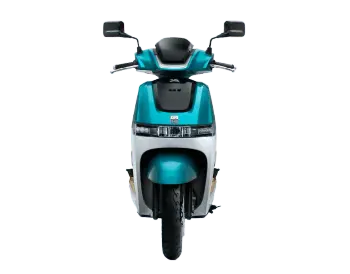
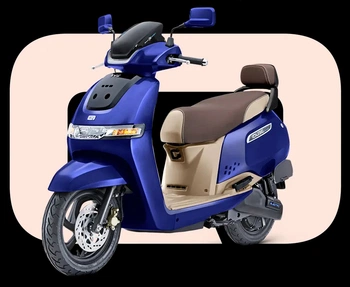
TVS iQube
₹1.15 - 1.48 Lakh
TVS iQube S
₹1.40 - 1.59 Lakh
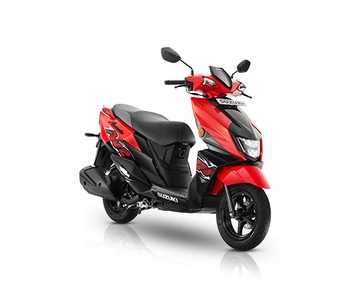
TVS iQube
₹1.15 - 1.48 Lakh
Suzuki Avenis
₹86293 - 88677
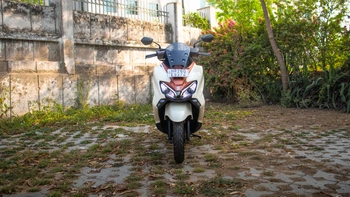
TVS iQube
₹1.15 - 1.48 Lakh
Suzuki Burgman Street
₹1.03 - 1.14 Lakh
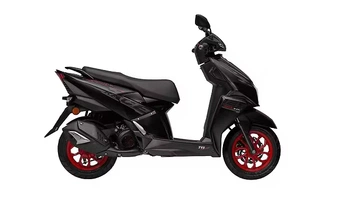
TVS iQube
₹1.15 - 1.48 Lakh
TVS NTORQ 125
₹82500 - 1.01 Lakh
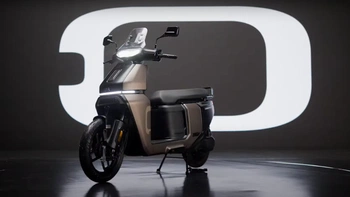
TVS iQube
₹1.15 - 1.48 Lakh
TVS Orbiter
₹91,550 - 1.15 Lakh
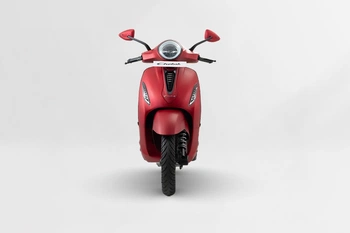
TVS iQube
₹1.15 - 1.48 Lakh
Bajaj Chetak
₹1.11 - 1.48 Lakh
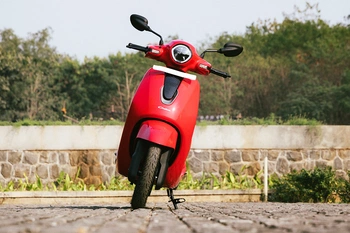
TVS iQube
₹1.15 - 1.48 Lakh
Bajaj Chetak C2501
₹1.35 Lakh
TVS iQube
₹1.15 - 1.48 Lakh
Ather Rizta
₹1.21 - 1.85 Lakh
TVS iQube
₹1.15 - 1.48 Lakh
Ather 450X
₹1.55 - 1.90 Lakh
TVS iQube
₹1.15 - 1.48 Lakh
Honda Activa e
₹1.18 - 1.53 Lakh
TVS iQube News
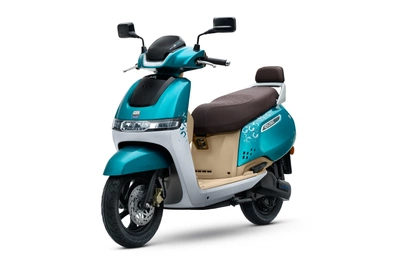
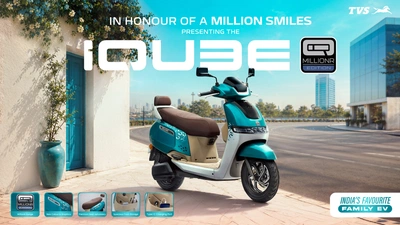
TVS iQube MillionR Special Edition Launched at Rs 1.40 Lakh with Aurora Green Paint, More Storage
TVS is marking the iQube's one-million sales milestone with a special edition priced at Rs 1.40 lakh. The MillionR gets an exclusive Aurora Green finish, 3.5 litres of extra storage up front, and a Type-C port as its key additions over the standard model.
Salil Kumar
August 25, 2026