
| Specification | KTM RC 160 | Yamaha R15 V4 |
|---|---|---|
| Engine Displacement | 164.2 cc | 155 cc |
| Max Power | 19 PS @ 9,500 rpm | 18.4 PS @ 10,000 rpm |
| Max Torque | 15.5 Nm @ 7,500 rpm | 14.2 Nm @ 7,500 rpm |
| Gearbox | 6-speed | 6-speed |
| Fuel Tank Capacity | 13.7 litres | 11 litres |
| Kerb Weight | 155 kg | 141 kg |
| Seat Height | 830 mm | 815 mm |
| Ground Clearance | 168 mm | 170 mm |
| Front Brake | 320 mm disc | 282 mm disc |
| Rear Brake | 230 mm disc | 220 mm disc |
| ABS | Dual-channel with Supermoto mode | Dual-channel |
| Top Speed | Around 118 km/h | 140 km/h |
| Price (ex-showroom) | ₹1.85 lakh | ₹1.66 to ₹1.87 lakh |
Design
The KTM RC 160 carries a sharp and aggressive supersport design that closely mirrors larger models like the RC 200 and RC 390. It features a steel trellis frame, full LED lighting, and a sculpted aerodynamic fairing that gives it a proper big bike feel despite being an entry-level offering. The 17-inch alloy wheels and clip-on handlebars further reinforce its track-focused character and committed riding stance. The Yamaha R15 V4, on the other hand, follows a more refined supersport approach with its Deltabox frame, sleek LED headlamp setup, and MotoGP-inspired styling.
Its design has long been appreciated for clean proportions and aerodynamic efficiency. While the KTM looks raw and edgy with a race-first attitude, the Yamaha feels more polished and balanced, making it visually easier to live with on a daily basis.
Engine and Performance

The KTM RC 160 is powered by a 164.2 cc liquid-cooled single-cylinder SOHC engine that produces 19 PS at 9,500 rpm and 15.5 Nm of torque at 7,500 rpm, paired with a 6-speed gearbox. The motor is tuned for enthusiastic riding and rewards riders who like to rev hard, offering strong mid-range performance and quick overtakes, although it can feel less smooth at lower speeds.
The Yamaha R15 V4 uses a 155 cc liquid-cooled single-cylinder SOHC 4-valve engine with Variable Valve Actuation. It delivers 18.4 PS at 10,000 rpm and 14.2 Nm at 7,500 rpm, also with a 6-speed transmission. Thanks to VVA, the R15 offers better low-end response and smoother acceleration, along with a higher claimed top speed of 140 km/h. While the KTM has a slight advantage in displacement and mid-range punch, the Yamaha feels more refined and consistent across a wider rev range.
Also Read: KTM RC 160 Design Leaked Ahead of 2026 Launch
Seating and Posture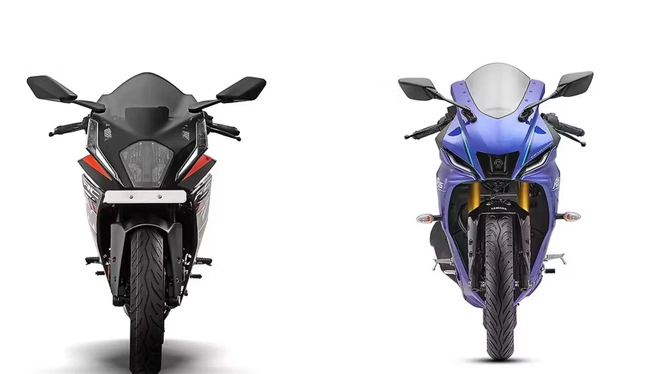
Both motorcycles are designed with sporty ergonomics in mind, but their comfort levels differ slightly. The KTM RC 160 comes with a split-seat setup and clip-on handlebars that create a very aggressive forward-leaning posture. This makes it well suited for spirited riding and track use, though it can feel tiring on longer journeys.
Its seat height stands at 830 mm, which may feel tall for some riders. The Yamaha R15 V4 also uses a split-seat layout and committed ergonomics, but its 815 mm seat height and slightly relaxed rider triangle make it more manageable for city use and daily commuting. Pillion comfort is limited on both bikes due to the compact design and raised rear seat.
Variants and Pricing
The KTM RC 160 is offered in a single standard variant priced at ₹1.85 lakh ex-showroom, with an optional TA variant that adds navigation support at a slightly higher cost. It is positioned as an accessible entry point into KTM’s fully-faired lineup. The Yamaha R15 V4 is available in multiple variants, with prices starting at ₹1.66 lakh and going up to ₹1.87 lakh ex-showroom for the R15M.
Higher variants offer features such as a TFT instrument cluster and a quick shifter. The Yamaha’s wider variant range and lower starting price make it appealing to budget-conscious buyers, while the KTM commands a premium with its suspension setup and brand appeal.
Safety
Safety equipment is strong on both motorcycles, though the focus differs slightly. The KTM RC 160 is equipped with a 320 mm front disc and a 230 mm rear disc, supported by dual-channel ABS with Supermoto mode, allowing more control during aggressive riding.
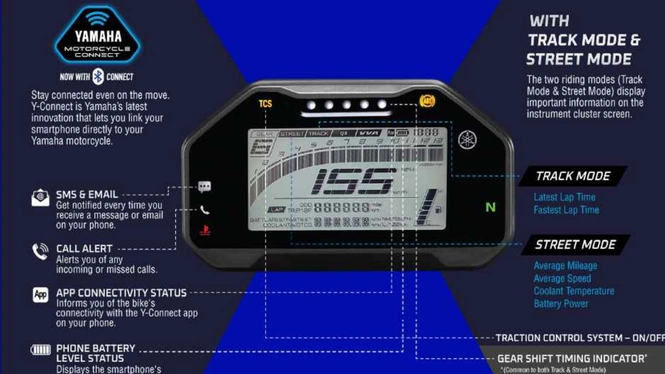
The Yamaha R15 V4 features a 282 mm front disc and a 220 mm rear disc with dual-channel ABS, along with traction control that enhances stability on slippery surfaces. While braking performance slightly favors the Yamaha in terms of stopping distances, the KTM’s larger discs and selectable ABS mode make it more engaging for spirited riders.
Colors
In terms of color options, the Yamaha clearly offers more choice. The KTM RC 160 is currently available in a single black color scheme with white and orange graphics, delivering a stealthy and unmistakable KTM identity. More options are expected in the future, but choices are limited for now. The Yamaha R15 V4 is offered in as many as nine color options, including Metallic Red, Racing Blue, and Dark Knight, giving buyers greater freedom to match the bike to their personal style.
Image source- Yamaha, Bikedekho,
Table of Contents
- Design
- Engine and Performance
- Seating and Posture
- Variants and Pricing
- Safety
- Colors
Join the Conversation
Trending
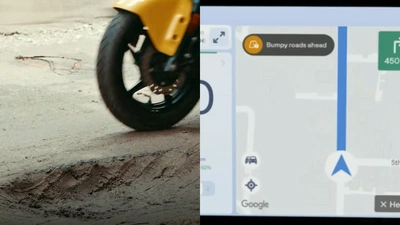
Ather Pothole Alerts: Everything You Need to Know About the New Safety Feature
Wondering how Ather's Pothole Alerts work? Learn how the system detects road hazards, which Ather scooters support it, whether it needs internet and more in this detailed guide.
Anmol Kumar
July 29, 2026
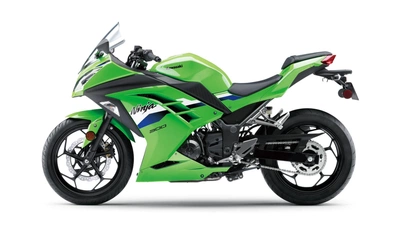
2027 Kawasaki Ninja 300 Launched at ₹3.34 Lakh
Kawasaki has launched the 2027 Ninja 300 in India at Rs 3.34 lakh ex-showroom, a Rs 17,000 increase over the 2026 model. The bike arrives in a single Lime Green shade with no mechanical changes, and deliveries begin by the end of July 2026.
Arjun Nair
July 28, 2026
Top 5 Features of the 2027 Kawasaki Ninja 300
The 2027 Kawasaki Ninja 300 features a 296cc parallel-twin engine, dual throttle valves, assist and slipper clutch, ZX-10R-style floating windscreen, dual projector headlights, and a patented heat management system. Launched in India at ₹3,34,000 ex-showroom.
Anmol Kumar
July 28, 2026
Featured
Citroen C3 Review: Who Should Consider This Car?
A few days ago, I took the Citroen C3X out for a spin in the city and on the highways. I travelled long distances and checked its fuel efficiency, features, comfort, and other factors. Today, I’ll briefly share my overall experience with the C3X and will tell you whether you should consider it or not and which is the most value-for-money variant of the lot.
Vatsal Agrawal
May 19, 2026
Tesla Finally In India Officially. Why Now And What Does It Mean For EVs?
The much-anticipated 2025 Tesla Model Y has officially arrived in India, marking a pivotal moment for the nation's burgeoning electric vehicle market. Launched on July 15, 2025, the Model Y Juniper facelift offers cutting-edge technology, impressive range, and signature Tesla performance. Positioned as a premium electric SUV, its entry will intensify competition and reshape consumer expectations for EVs across the subcontinent.
Charan Narain
July 17, 2025
Here Are 10 Things The Harrier.EV Offers That The Mahindra XEV 9E Doesn't
The Harrier.EV is an incredible new offer from Tata. Its most popular competitor would be the Mahindra XEV 9E, priced similarly. With these two incredible offerings from home grown brands available, here is a list of everything the Harrier.EV offers that the XEV 9E doesn't.
Charan Narain
June 13, 2025
Write a comment
Comments
No comments yet. Be the first to comment!