Maruti Suzuki Celerio vs Maruti Suzuki Alto K10 - Which One Should You Buy
Maruti Suzuki Celerio vs Maruti Suzuki Alto K10 Comparison at CarHP India. Compare Maruti Suzuki Celerio and Maruti Suzuki Alto K10 Prices, Mileage, Features, Specs, Colours and much more.
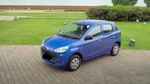
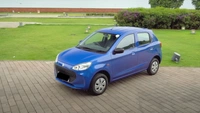
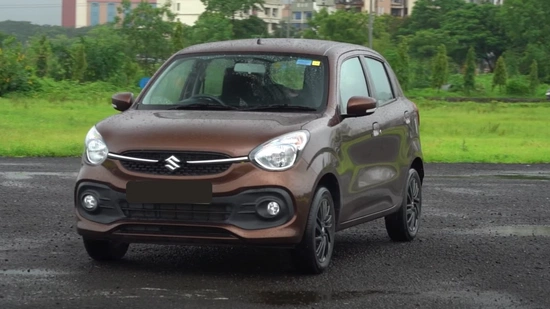
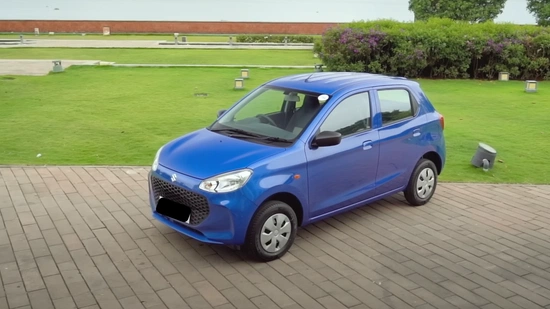
The Maruti Suzuki Celerio is available in 8 variants, while the Maruti Suzuki Alto K10 comes in 8 variants. The Celerio price ranges from ₹4.70 Lakh to ₹6.73 Lakh. The Alto K10 is a more affordable choice, with prices between ₹3.70 Lakh and ₹5.45 Lakh. Both cars feature a 998cc engine and a 5-speed automatic transmission. The Celerio produces 67.77bhp at 5600rpm and 91.1Nm of torque at 3400rpm. The Alto K10 delivers 65.71bhp at 5500rpm and 89Nm of torque at 3500rpm. Driving both cars in heavy metro traffic feels very easy because of the automatic gearbox. The Celerio feels a bit more powerful on open roads. The Alto K10 is very light and easy to handle in crowded lanes. The Celerio offers a larger 313-litre boot for luggage. The Alto K10 has a smaller 214-litre boot, which works well for daily shopping. Both cars have seating for 5 people. Inside the Celerio, there is a Smartplay Studio system with smartphone navigation and voice commands for Android Auto and Apple CarPlay. It also includes an engine start-stop button and keyless entry. The Alto K10 provides basic comforts like power steering, air conditioning, and a rear parcel tray. For safety, both vehicles come with 6 airbags and ABS. The Celerio adds Electronic Stability Control and hill assist for better safety on slopes. The Alto K10 has a 2-star safety rating. The Celerio is a great pick for those who want more space and modern tech. The Alto K10 is the better choice for buyers on a tight budget looking for a simple city car. Book a test drive through this service before making a final decision to get exclusive benefits, special discounts, and the best available offers by booking with us.
₹ 4.70 Lakh
₹ 3.70 Lakh


Compare Minimum 2 Cars At Once — Tap To Activate / Deactivate
Smart Summary for Car Selection
 Why Choose Maruti Suzuki Celerio?
Why choose
- Noticeably more cabin space than the Alto K10; taller roof, longer wheelbase, and a properly usable rear seat make it the more comfortable four-adult car of the two
- Boot capacity at 235 litres is one of the best in the segment, and a higher loading lip does not undermine it the way the Alto's compact dimensions do
- The AMT gearbox option is available across more variants and feels better calibrated for urban stop-start than the Alto K10's entry-level version
- CNG with AMT is a combination the Alto K10 also offers, but the Celerio's additional cabin space makes long-distance CNG journeys more comfortable
- Touchscreen infotainment with steering controls and digital instrumentation are available at lower variants than on the Alto K10
Why not choose
- Holds a 2-star rating from Global NCAP for adult occupant protection, which is weak even by the standards of this budget segment; the Celerio's structure is not its strength
- No six-airbag variant; the Alto K10 now offers six airbags on higher versions while the Celerio's maximum airbag count remains lower
- The AMT's characteristic jerk on upshifts is more pronounced than on the Dzire or Baleno AMT and draws specific mention in owner reports as an annoyance in slow traffic
- Resale values trail the Alto K10's despite the Celerio being the more expensive car; the Alto name carries stronger buyer recognition in the used-car market
Why Choose Maruti Suzuki Alto K10?Why choose
- The most affordable entry point in the Maruti lineup, with prices meaningfully below the Celerio at comparable configurations
- Now available with six airbags on higher variants, which represents a meaningful safety improvement over its predecessor and matches what many compact cars offer
- Fuel economy from the 1.0-litre petrol is among the best in any car at this price, and the CNG version extends that advantage further
- Smallest exterior dimensions in the range make it the easiest car to park in dense urban areas and the least intimidating for first-time drivers in heavy traffic
- Maruti's service network and parts availability mean maintenance costs stay low and accessible regardless of where in India the owner is based
Why not choose
- Scored 2-star adult and a very low child occupant protection rating in Global NCAP testing; this is the weakest crash safety credential in the Maruti lineup
- Rear seat space is genuinely tight for adults; passengers over 5'8" will arrive stiff after any journey longer than 30 minutes
- The 214-litre boot barely fits two cabin bags; the Celerio's 235-litre boot represents a real practical advantage for buyers who travel with luggage
- Feature content at the base level is very sparse; buyers expecting a modern cabin feel in the entry variant will find it absent
- The bare interior materials and cramped feel relative to the Celerio make the Alto K10 feel like a step down in finish even when they share the same price band
 Our Recommendation For Most Buyers
Maruti Celerio
The Celerio makes the most sense when the comparison is between two entry-level hatchbacks and comfort for four adults is the deciding factor. Its cabin is genuinely more liveable than the Alto K10's, the boot is usefully larger, and the AMT option covers a wider range. Buyers on their first car who regularly carry passengers, or who need the CNG running economy with less discomfort on longer runs, will appreciate the space.
The 2-star crash rating is the number that should not be ignored, particularly given that the Alto K10 also sits at 2 stars; neither car offers strong structural protection. Buyers for whom absolute entry price is the priority should look at the Alto K10. Those who can spend a little more and want noticeably more room should find the Celerio earns the difference.
Maruti Alto K10
The Alto K10 suits buyers for whom the absolute lowest price of entry and the easiest car to manage in dense city traffic are the overriding requirements. The six-airbag variants represent a genuine safety upgrade over the entry versions, and buyers who stretch to those trims will find a car that punches above its weight on safety equipment even if the crash test structure is weak.
For buyers in cities where a single-rupee difference in fuel cost matters over the ownership cycle, the Alto K10 petrol's economy advantage adds up noticeably over two years. First-time drivers who are specifically intimidated by tight city parking will value its compact footprint. Those who carry more than two adults regularly, or who travel beyond city limits with any frequency, should spend the increment for the Celerio's extra room.
Engine and Performance
Performance Specifications
Fuel Specifications
Dimensions and Design
Interior Specifications
Wheels & Tires
Suspension, Brakes & Steering
Safety Features
Interior Features
Comfort & Convenience
Infotainment Features
Exterior Features
Brochure

EMI Cost Comparison
Assuming 20% down payment, 9.5% interest, 60-month tenure
 Loan Amount
 Interest: 9.5%
 Down Payment (20%)
 Loan TenureLoan AmountInterest: 9.5%Down Payment (20%)Loan Tenure
Pros & Cons Comparison
Things We Like in Maruti Suzuki Celerio
- CNG variant delivers an ARAI-certified 34.43 km/kg, cutting per-kilometre running costs.
- Petrol variants achieve up to 26.00 km/l ARAI-certified fuel efficiency.
Things We Like in Maruti Suzuki Alto K10
- 6 airbags are standard across all variants.
- 33.40 km/kg CNG mileage makes it one of the cheapest cars to run daily.
Things We Don't Like in Maruti Suzuki Celerio
- CNG variant is available only with a 5-speed manual, no AGS option.
- Side and curtain airbags are not standard across all variants.
Things We Don't Like in Maruti Suzuki Alto K10
- Global NCAP awarded poor 2 and 0-star for adult and child occupant protection.
- CNG variant is a strict 4-seater.
Maruti Suzuki Celerio Comparisons
Maruti Suzuki Alto K10 Comparisons
Car News
Maruti Suzuki Says Its Cars Have Been E20 Compatible Since 2008
Maruti Suzuki MD and CEO Hisashi Takeuchi confirmed at the 45th AGM that all Maruti cars made from 2008 onwards are E20 compatible. That covers 18 years of production and should answer the E20 worries of most current Maruti owners.
Anmol Kumar
September 1, 2026