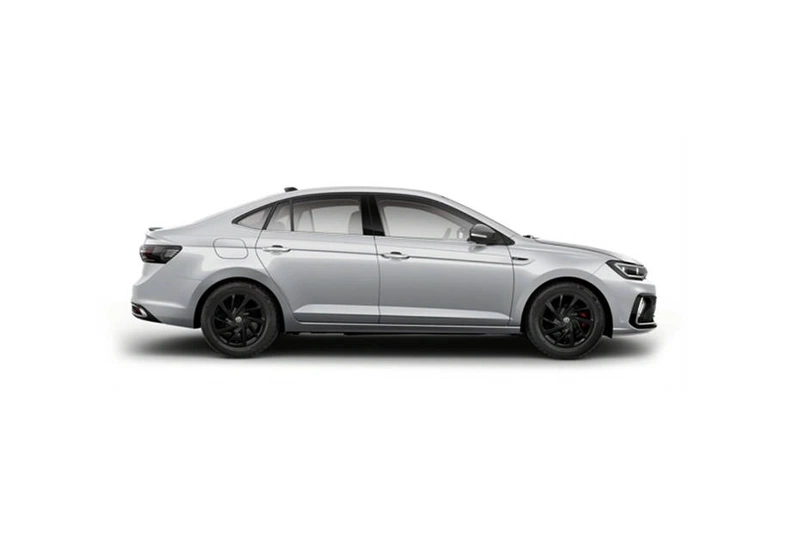
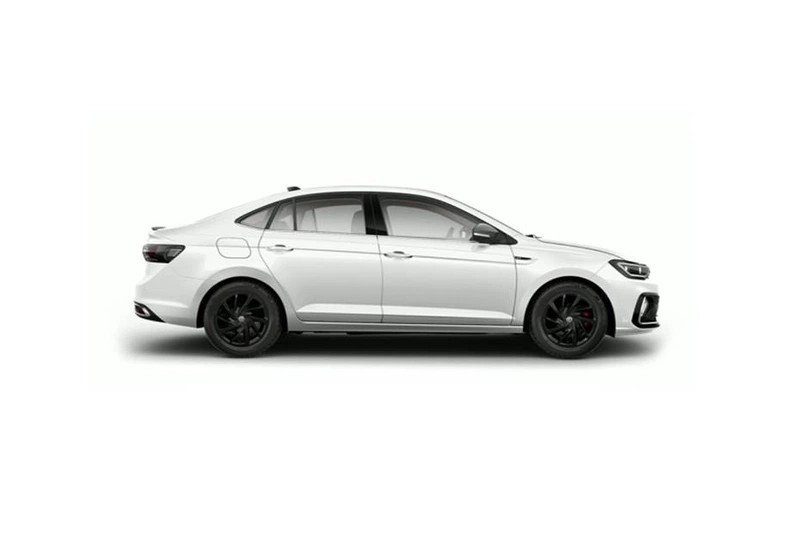
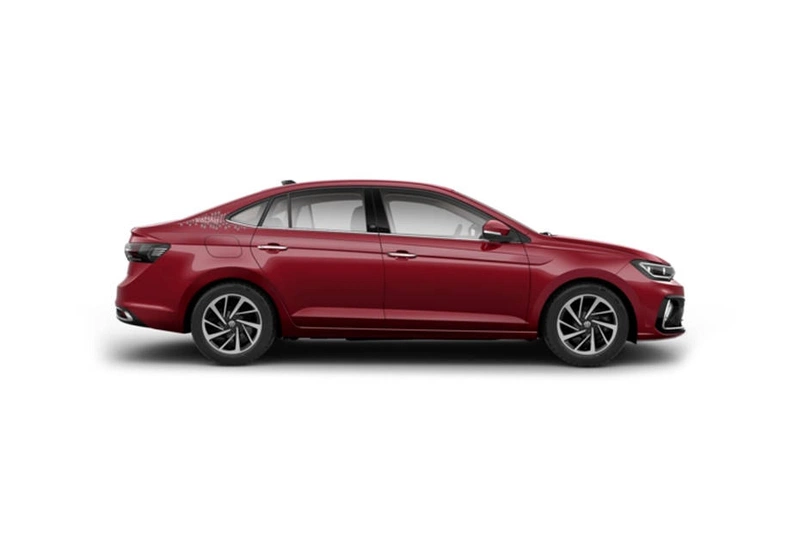
Volkswagen Virtus
Overall Rating

Volkswagen Virtus
Overall Rating
EMI Loading
Volkswagen Virtus Key Specifications
Volkswagen Virtus Highlights
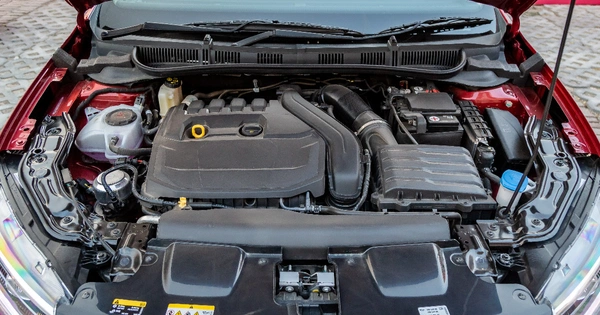
1.5L with cylinder deactivation.
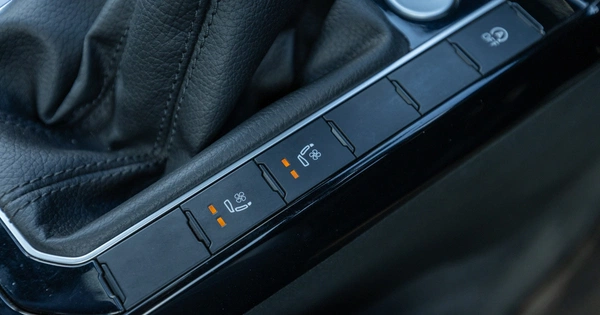
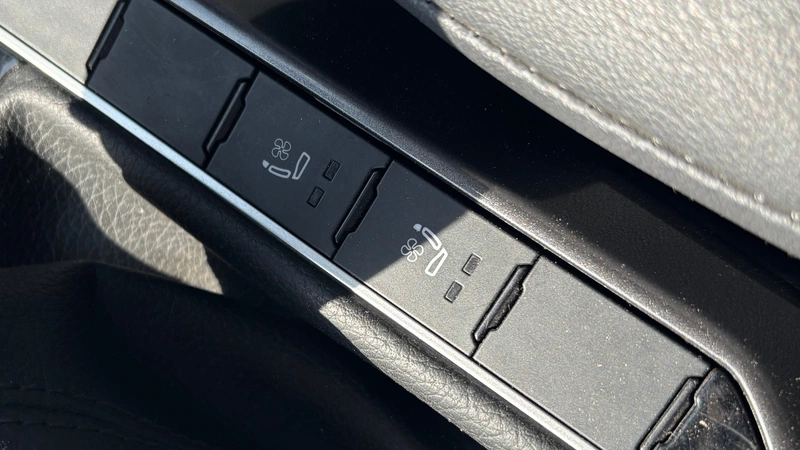
Ventilated seats.
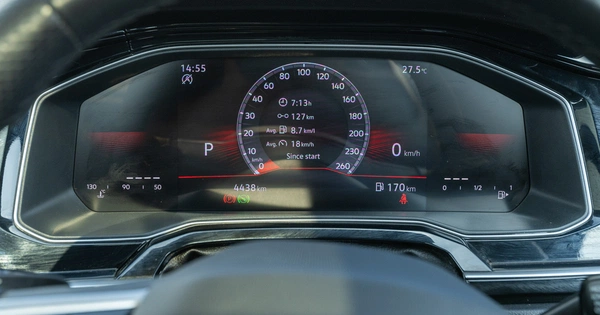
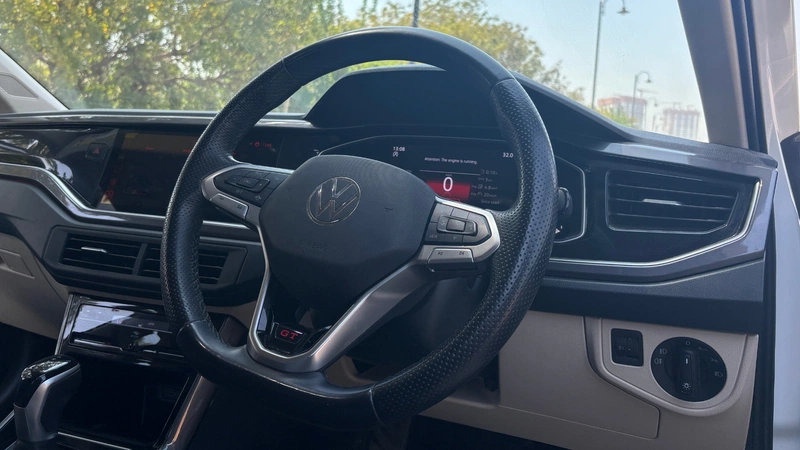
Digital driver display.
Volkswagen Virtus Overview

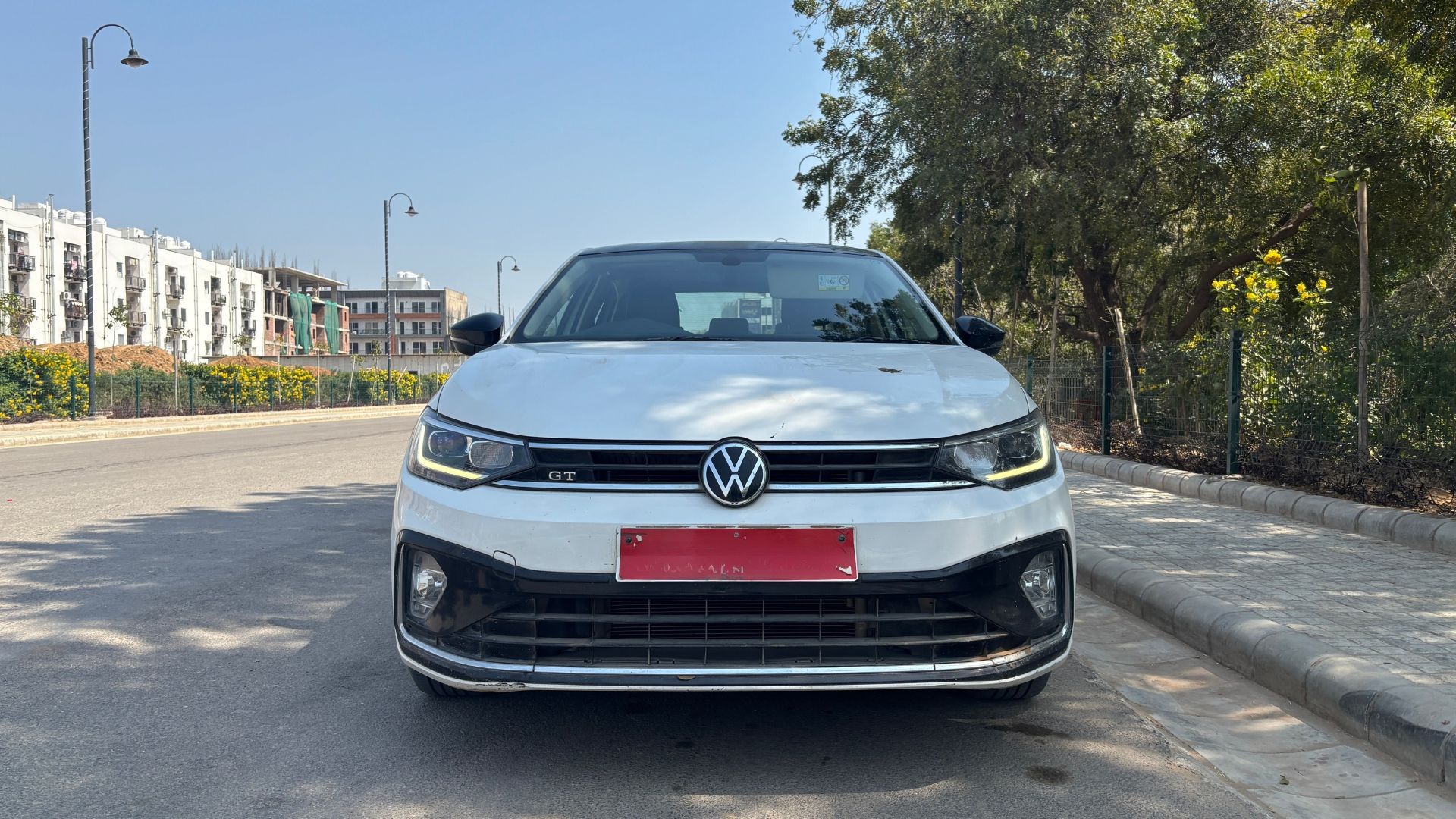
The Virtus shares a lot with its corporate sibling, the Skoda Slavia, but it manages to creep slightly ahead with its more sensible styling and Volkswagen's solid brand appeal.
The Germans somehow managed to make it a Value for Money (VFM) proposition, mainly due to its price, which starts around 12 lakhs.
Considering you could only get a small Vento not too long ago from VW at this price point, the Virtus feels like a massive upgrade.
You get two engine options along with manual or automatic transmissions. The 1.5-liter unit makes around 150 hp and is paired with a 7-speed DSG. While the 1.0-liter has a 6-speed automatic.
Reviewers nationwide have nothing but praise for the Virtus, but some feel like the classic VW build quality has been compromised a little in favor of keeping the costs low.
So, is the do-it-all Virtus the right bet? Let's find out!
Note that we've also covered all its variants in a detailed guide.
Engine and Performance
Engine and Performance
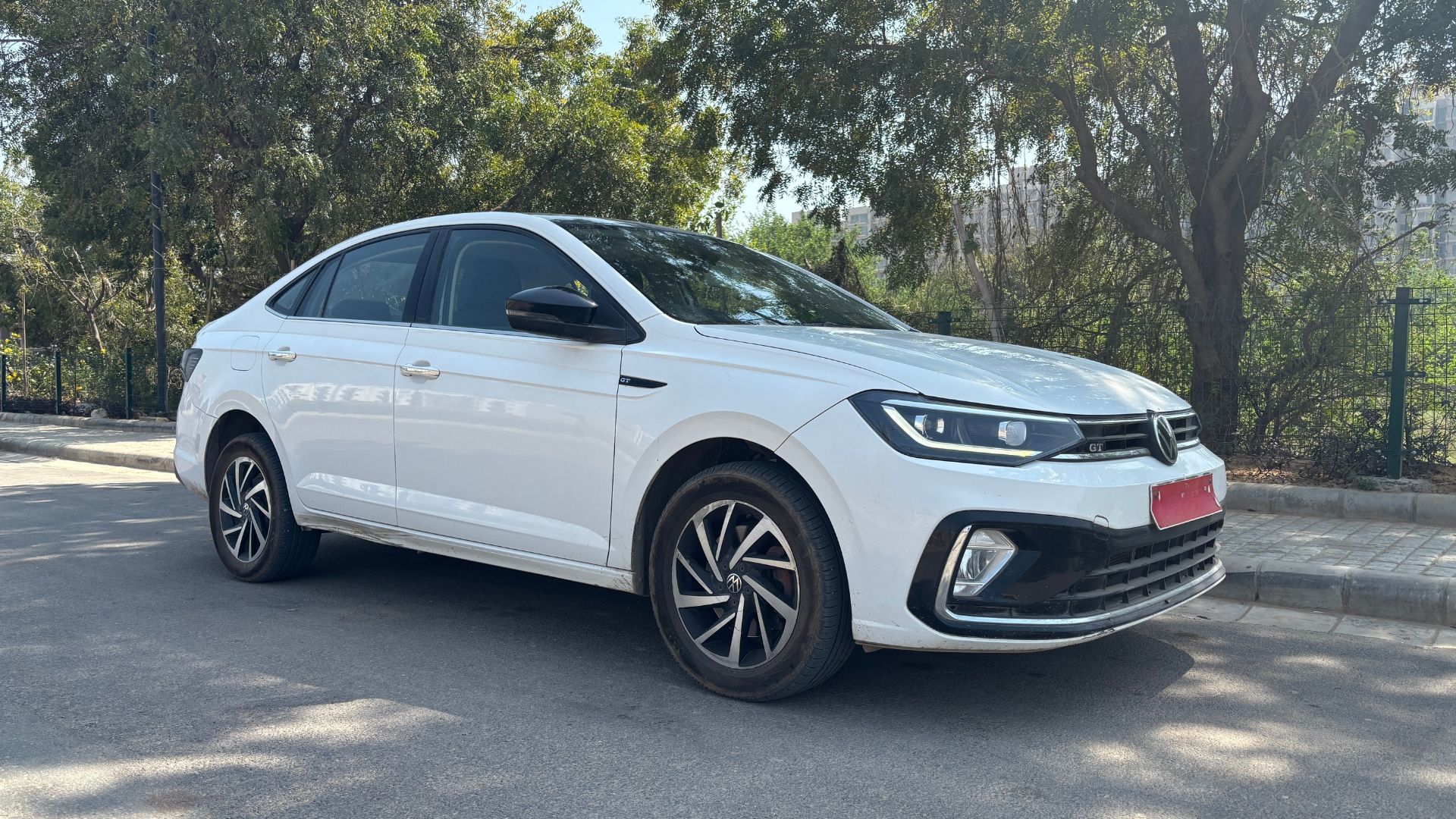
There are a couple of engine options present. The Dynamic Line gets the 1.0 L TSI with either a 6-speed manual or an automatic, while the GT variants have a 1.5 L version with a 7-speed dry clutch DCT which did quite well in our tests.
The smaller one is potent enough for 115 PS (113.98 bhp) at 5000-5500 rpm and 178 Nm. While the 1.5-liter one makes a strong 150 PS (147.51 bhp) at 5000-6000 rpm and 250 Nm.
In reality, though, the 1.0 L is pretty adequate and manages the job of providing power and efficiency very well. There are owners who have gotten an excellent 18 kmpl+ on highways using the 1.0 L mill.
The bigger engine also comes with ACT, which helps save fuel when loads are light.
The Virtus, with any engine, has a slight bit of lag that quickly disappears once the car starts to move. The in-gear acceleration is insane, with 40-100 kmph appearing in just seconds.
The DSG also comes with paddle shifters, which makes it feel like some sort of sports car. The dry clutch has been facing some complaints about overheating, but what else can you expect in bumper-to-bumper jams?
fuel economy
fuel economy
The VW Virtus offers ARAI-certified fuel economy figures ranging from 18.45 kmpl (1.0L AT) to 20.8 kmpl (1.0L MT), with the 1.5L TSI EVO DSG achieving up to 19.62 kmpl.
interior
interior
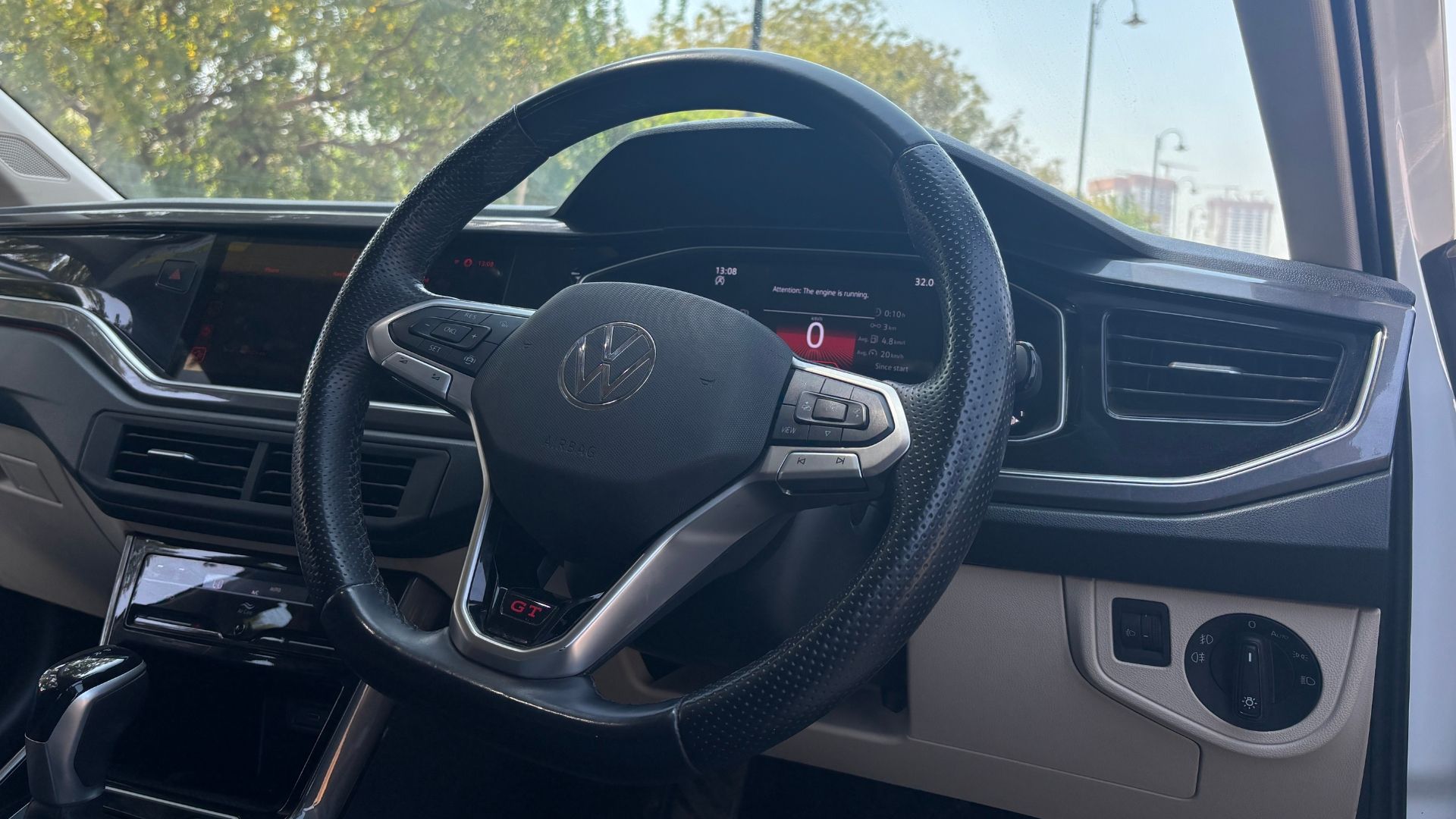
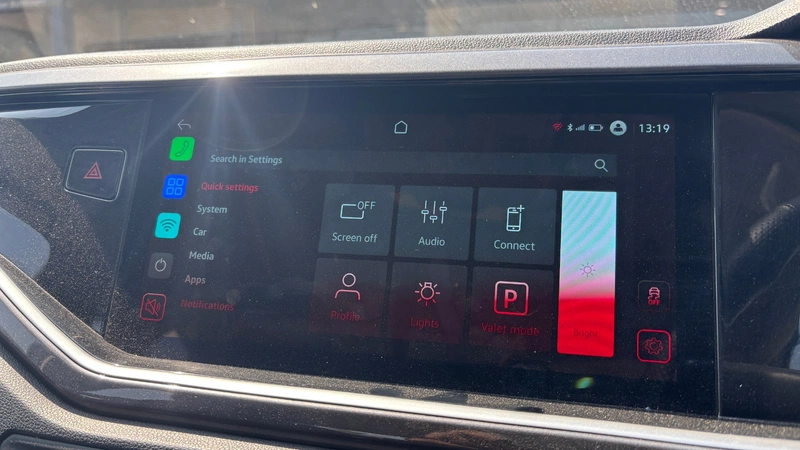
The Virtus features a minimalist cabin with a dashboard divided by a piano black trim, a centrally mounted touchscreen, and chrome-finished AC vents.
Depending on the variant, it gets a 7-inch or 10-inch infotainment display.
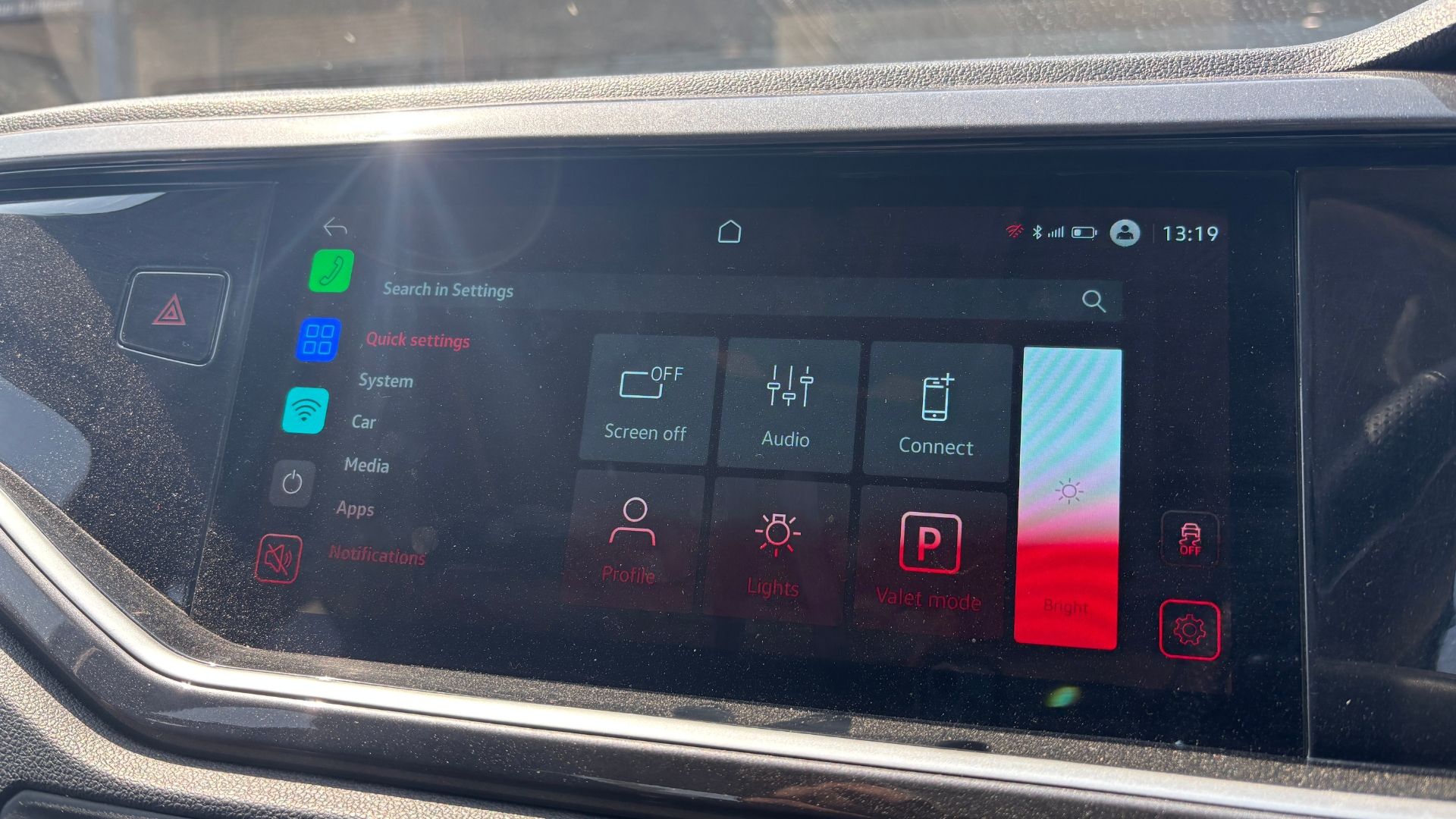
Wireless Android Auto and Apple CarPlay are available from the Comfortline variant onwards, while higher variants add a sunroof, rain-sensing wipers, auto-folding ORVMs, red ambient lighting (1.5-litre variants), and a six-speaker audio system.
Higher trims offer leatherette seats with ventilation and electronic adjustment, while fabric seats are available on lower variants.
Soft-touch materials are used on the dashboard and doors, and the GT Line adds a red-and-black interior theme with contrast stitching.
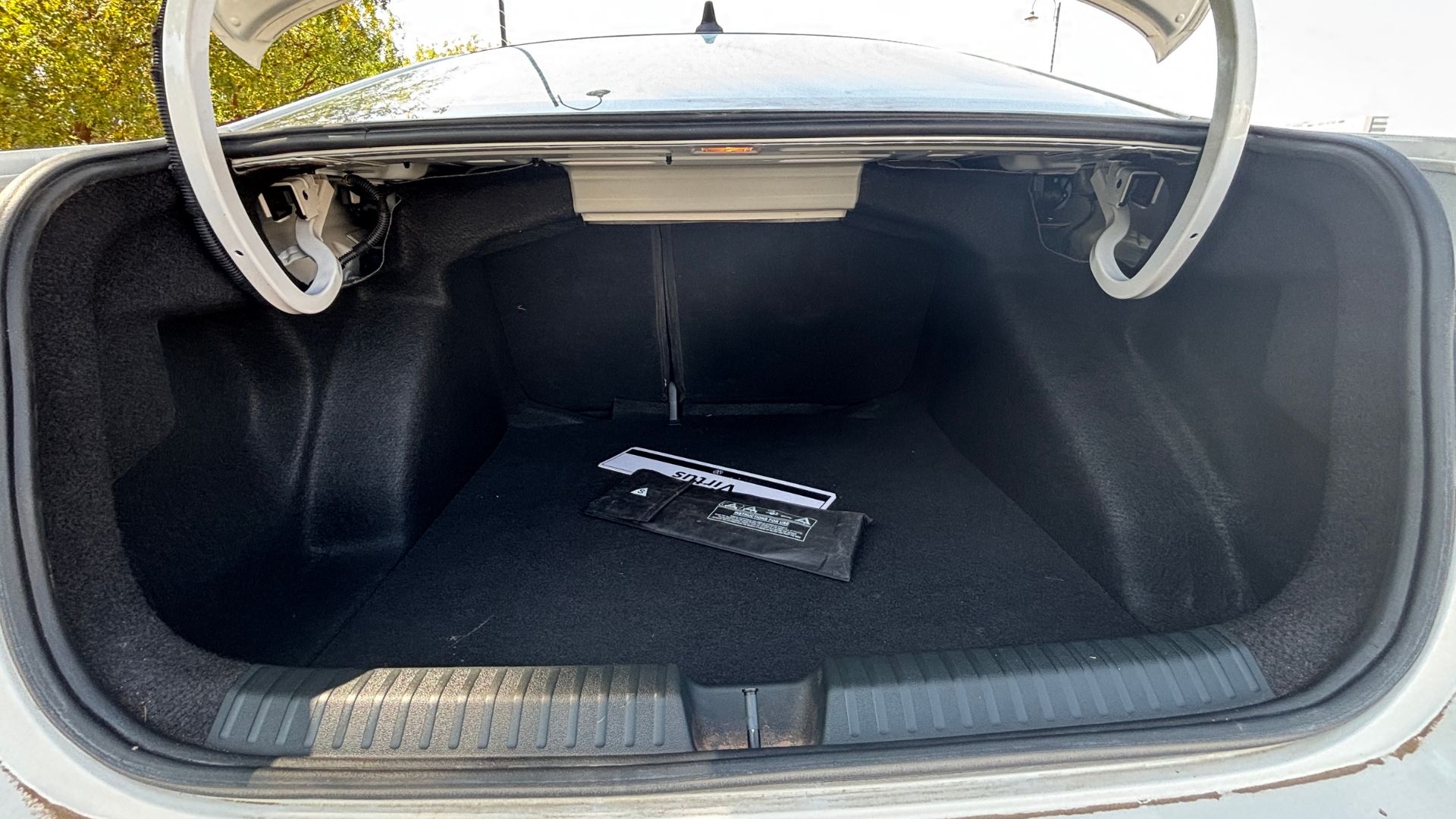
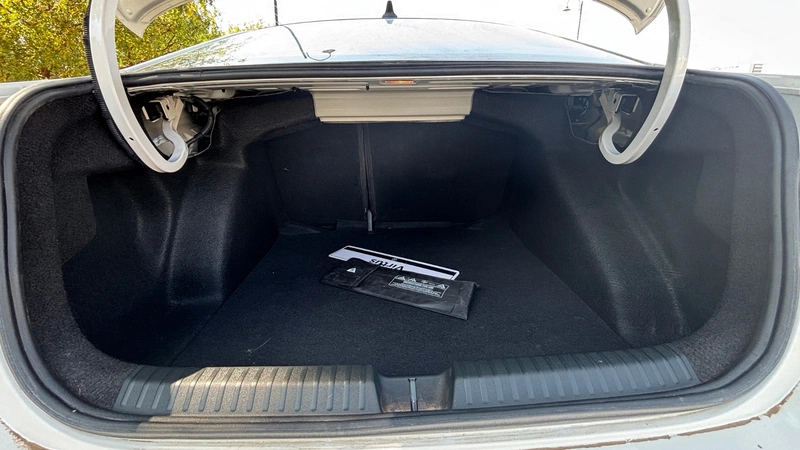
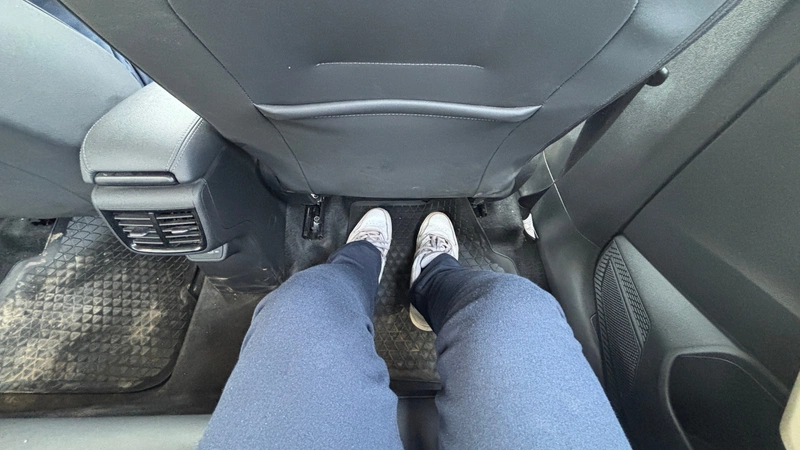
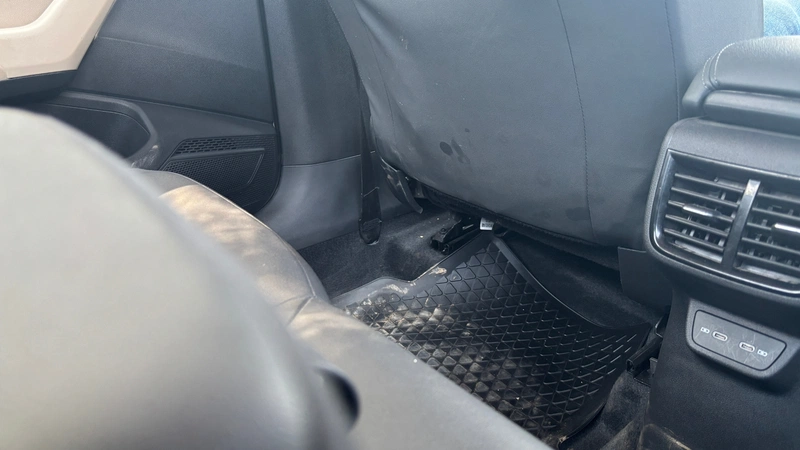
The rear seat accommodates three adults and includes a centre armrest. The large boot is further expanded by the split-folding rear seats.
exterior
exterior
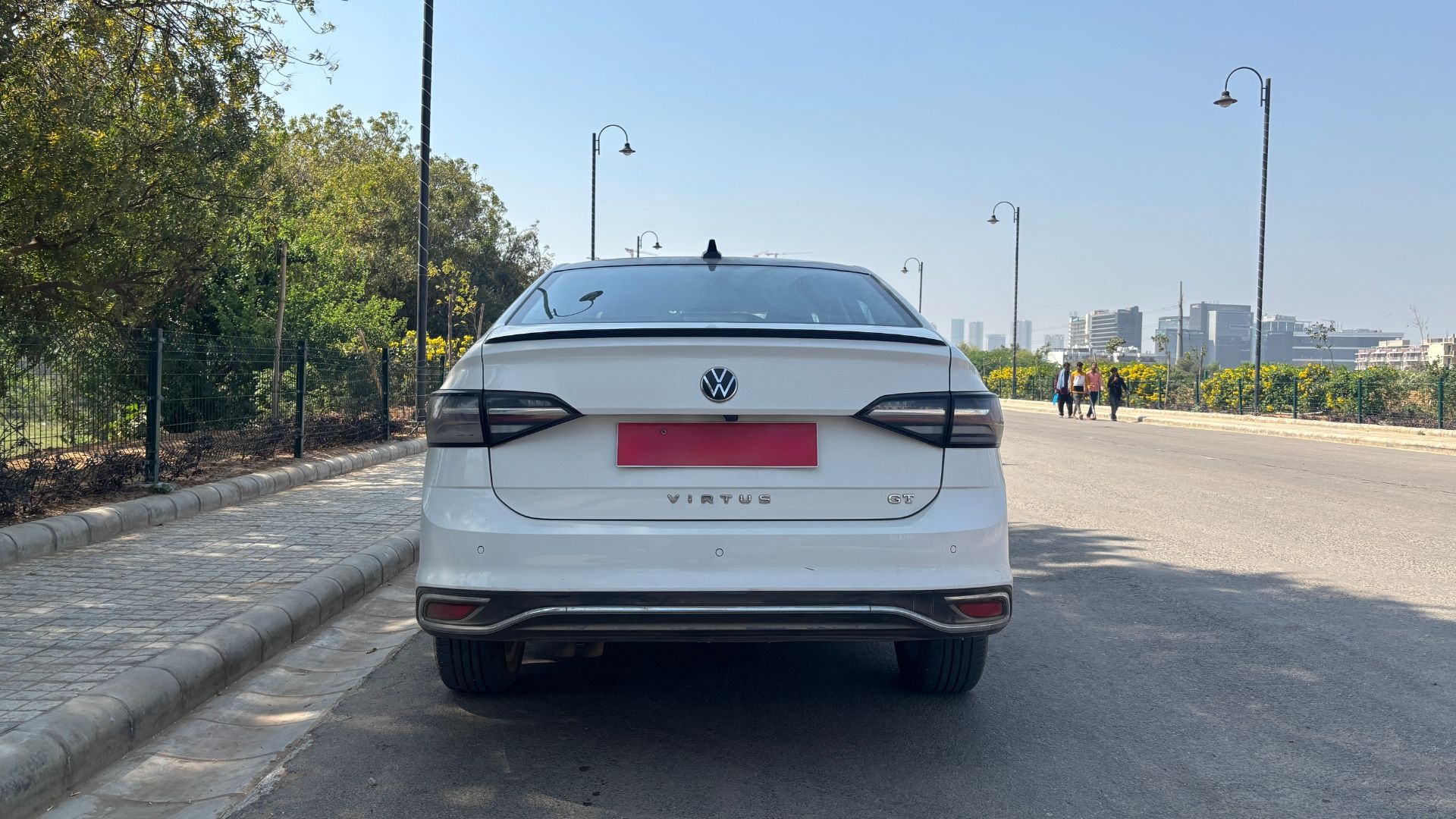
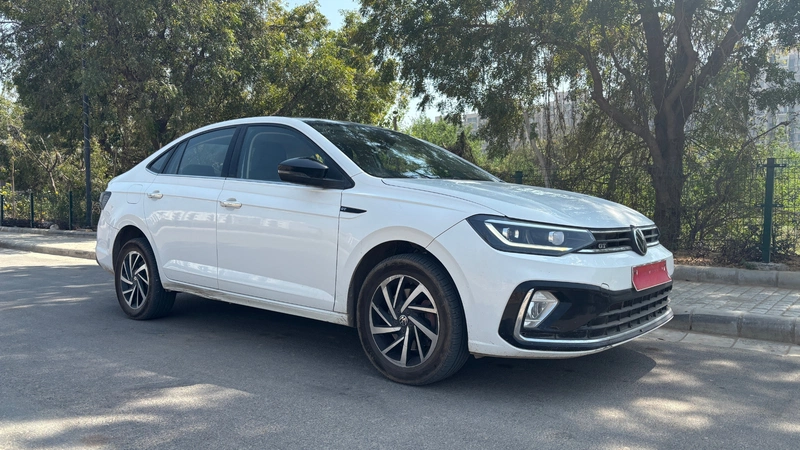
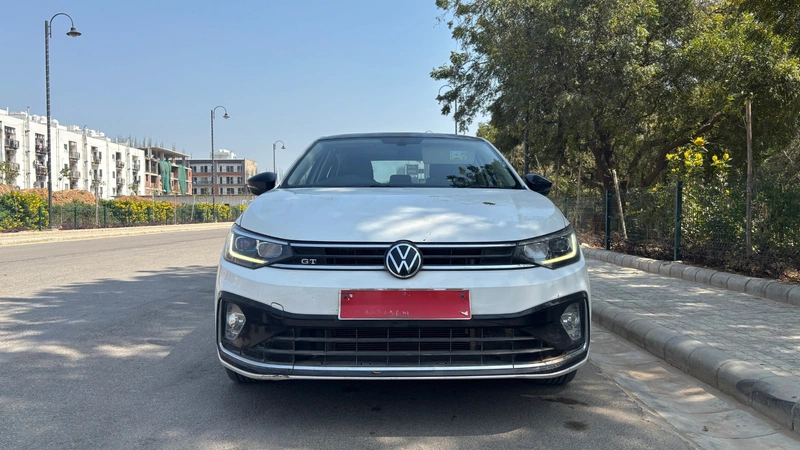
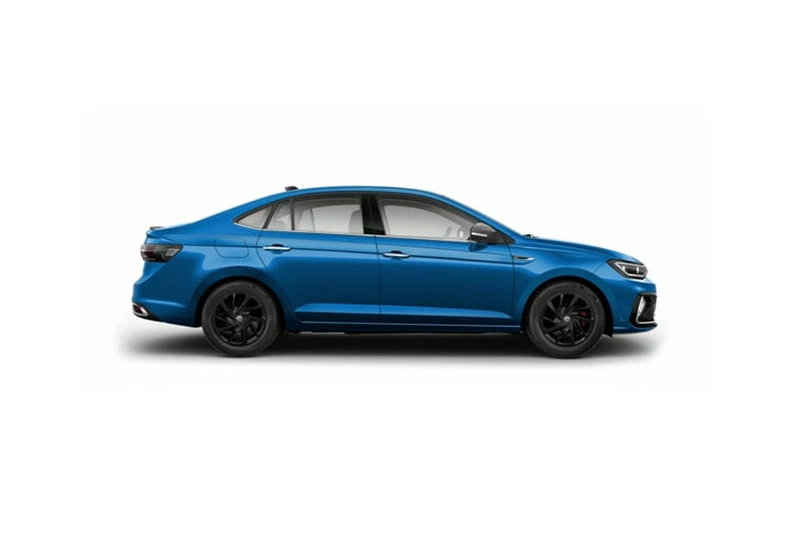
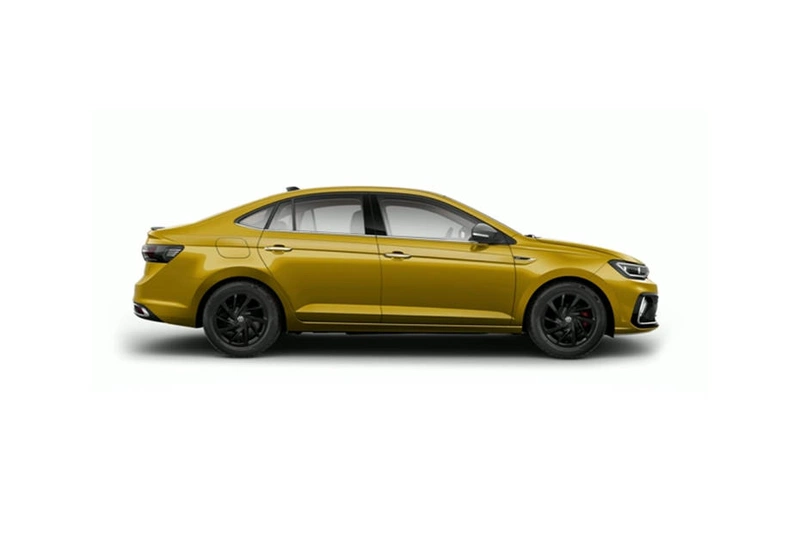
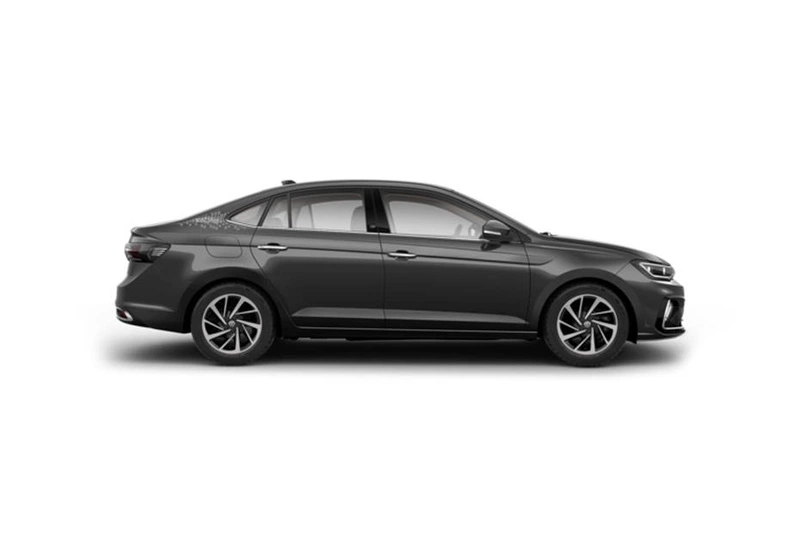
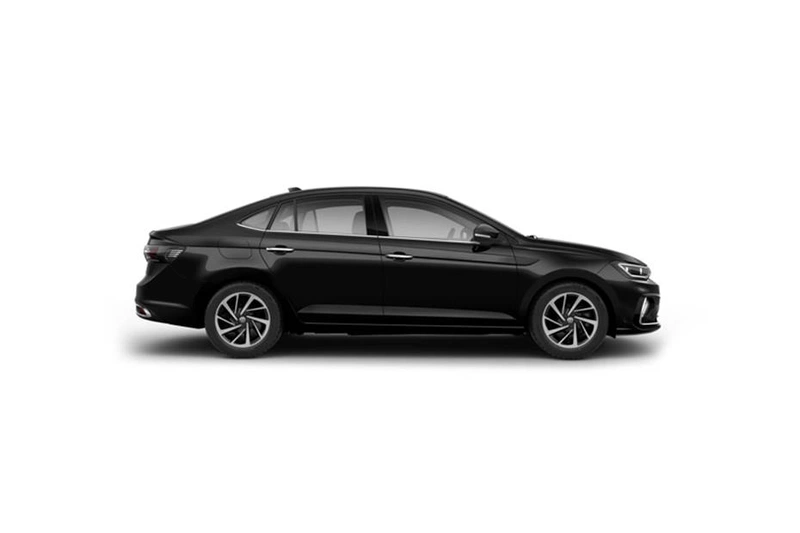
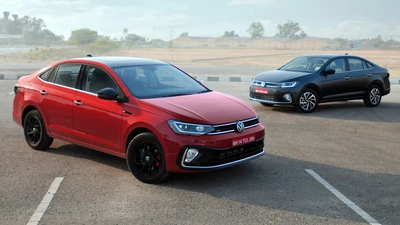
Volkswagen's simplistic design has been one of the key selling points of the Virtus. The two-part front fascia, with a slim top grille and functional bottom half, is flanked by two headlamps on either side.
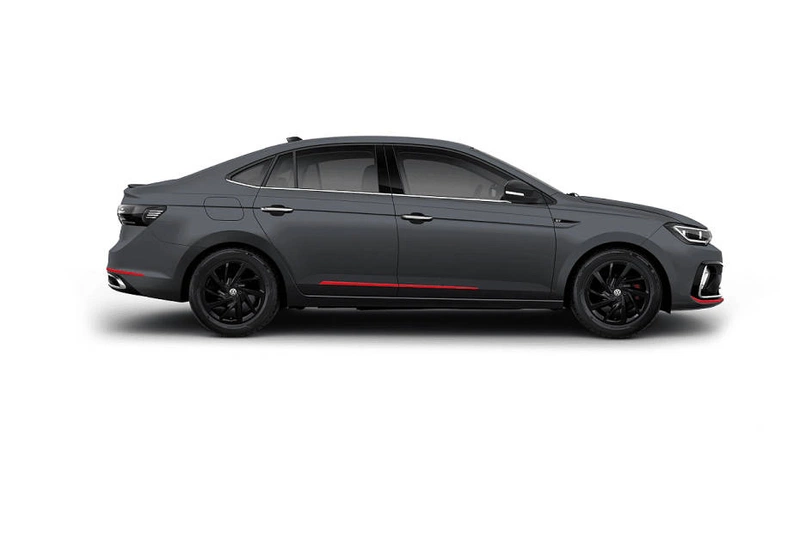
All variants get LED lights with DRLs, while the Topline and GT variants also get fog lamps. Most of the exterior decor is in chrome, but blacked-out bits are available on special editions like the GT.
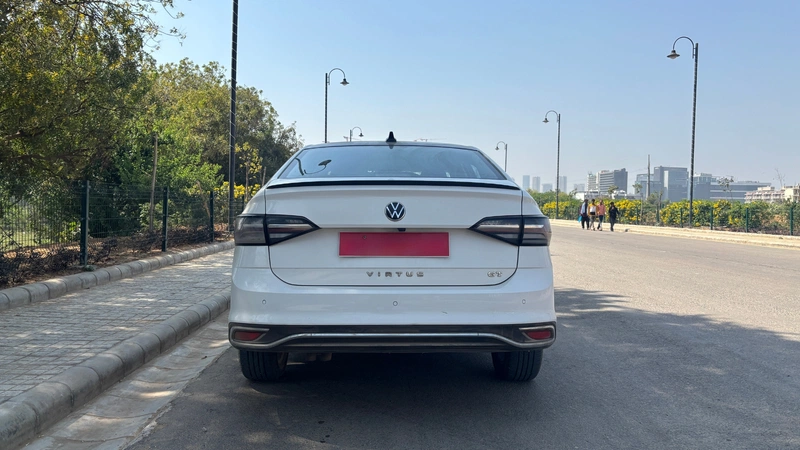
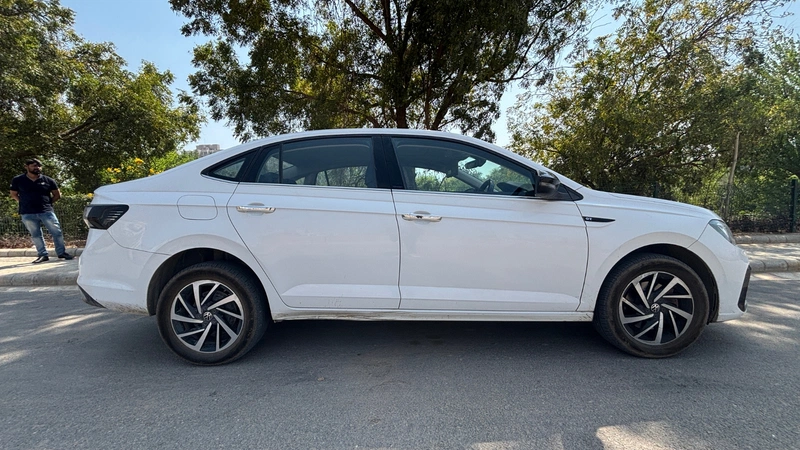
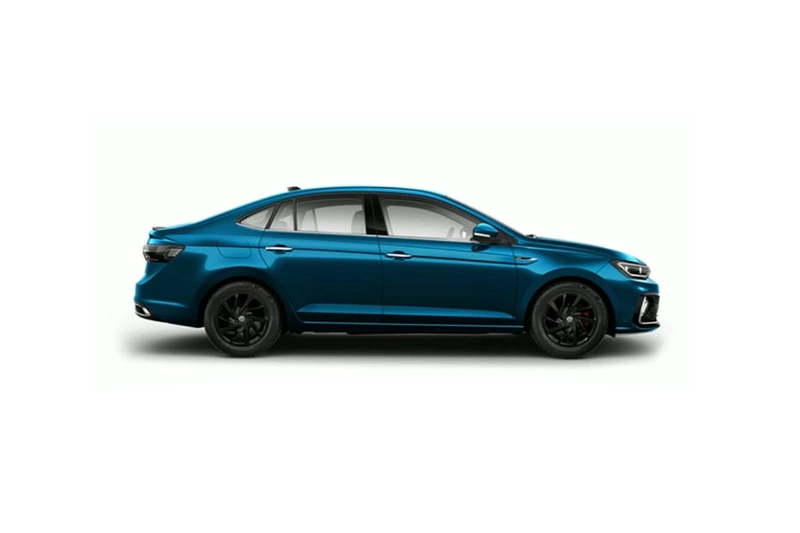
The side profile is equally minimalistic and does a great job of giving the Virtus a pretty imposing stance when parked. The rear is a similar story, with LED lamps on either side.
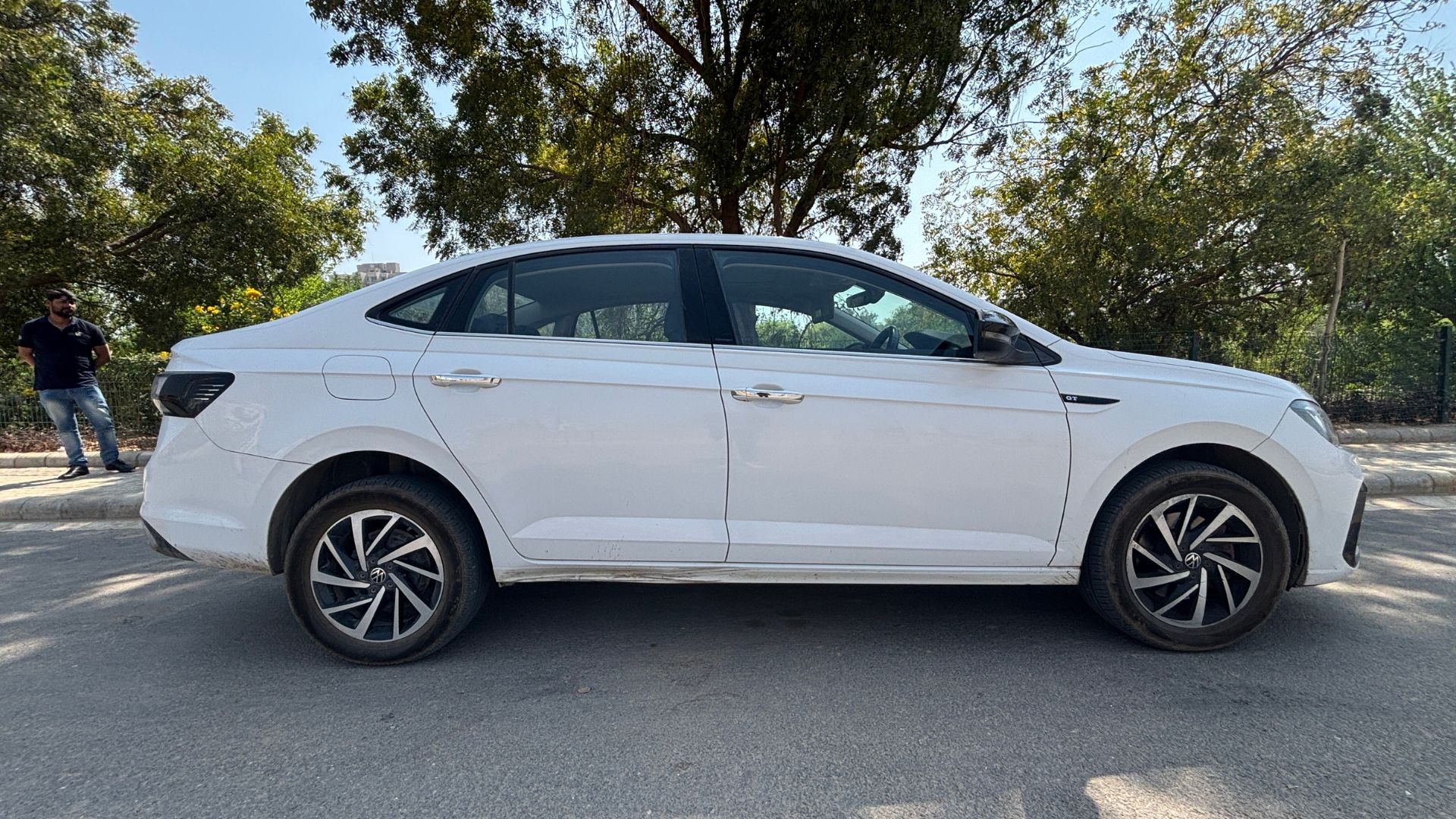
The ORVMs (Outside Rear View Mirrors) are body-colored across the lineup, but the 1.5-liter versions get GT badging front and rear, along with special design alloy wheels for the top two variants and wider tires.
The base variants get 16-inch Scimitar design wheels.
safety
safety
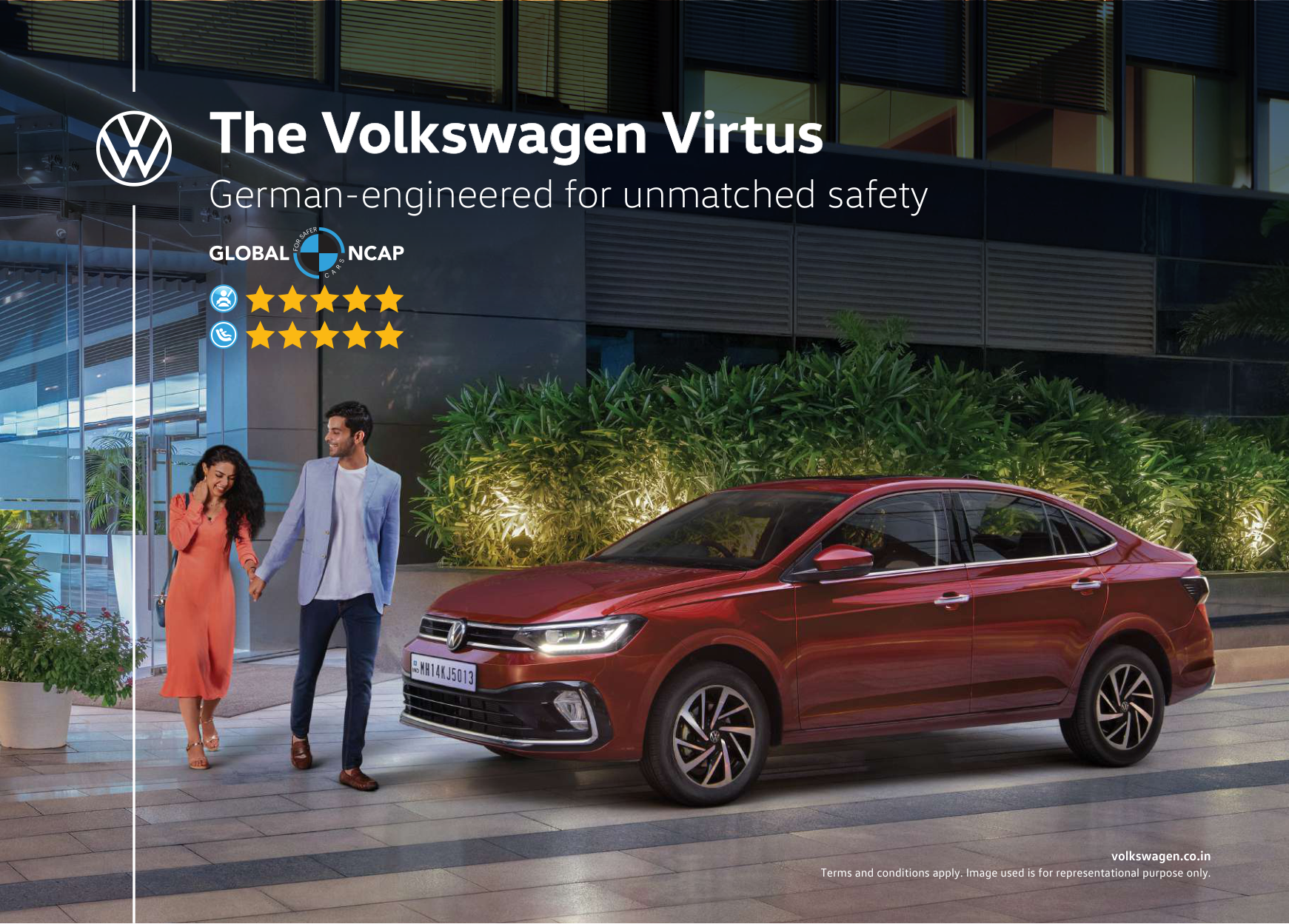
VW has been pretty impressive when it comes to safety for not only the Virtus but every car in its portfolio.
The Virtus has a 5-star GNCAP rating and now has 6 airbags as standard.
You also get Active TPMS, ISOFIX seats, and plenty of other safety features as standard.
competition
competition
Virtus is in a class of its own but Honda City, Verna and Slavia are its biggest rivals.
The Slavia has more energetic styling and funky color options. The mechanicals are ditto as are the driving dynamics. Slavia also comes with “Simply Clever” stuff like a fasttag holder, deity stand and other thoughtful touches that make it feel more special.
Verna on the other hand is a bit ahead in terms of performance and its packs 160 hp but the same old dry clutch which is prone to overheating. The looks on Hyundai’s offering too are a mixed bag and are more often than not disliked by sedan enthusiasts .
Only Honda City comes close to rivalling Virtus’s driving dynamics, style, and value for money but is aimed more at comfort cruising than sportiness. Also its 120 hp engine lacks the turbo punch which VW has in plenty.
final verdict
final verdict
The Virtus is a do-it-all, all-around German that pretty much excels at everything you can throw at it even if it's the base 1.0 L variant which we were surprisingly impressed with.
. Previous VW owners might complain about the lack of heft compared to older VW models in terms of build quality and engineering, but despite this, the Virtus has managed to successfully challenge brand perception and is a solid alternative to boring compact SUVs at a reasonable price
buying advice
buying advice
I’ve used the word “surprising” quite a bit because the Volkswagen Virtus is full of surprises. It’s almost nothing like a typical Volkswagen, yet it still embodies the brand’s essence. It feels like the perfect mix of performance and practicality for Indian conditions, with all the German engineering you expect—minus the harshness.
It’s as if Hrithik Roshan and Diane Kruger had a baby—unbelievable performance, fantastic looks, and the ability to digest spicy Indian foods without breaking a sweat.
Volkswagen Virtus mileage
The Volkswagen Virtus mileage ranges from 19.62 to 20.8 kmpl. The Manual Petrol variant has an ARAI mileage of 20.8 kmpl. The Automatic Petrol variant has an ARAI mileage of 19.62 kmpl.
| Fuel Type | Transmission | ARAI Mileage | * City Mileage | * Highway Mileage |
|---|---|---|---|---|
| Petrol | Manual | 20.8 kmpl | - | - |
| Petrol | Automatic | 19.62 kmpl | - | - |
Volkswagen Virtus News
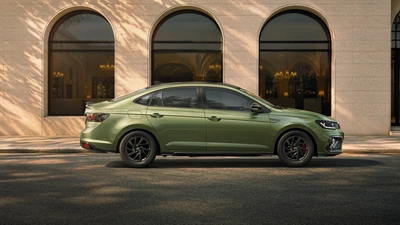
Volkswagen Launches Virtus Anniversary Edition in Avocado Pearl, Limited to 150 Units at ₹19.19 Lakh
Volkswagen India has launched the limited-run Virtus Anniversary Edition at ₹19.19 lakh, based on the GT Plus Sport, with a new Avocado Pearl paint and contrasting black roof. Just 150 units on sale.
Anmol Kumar
August 6, 2026

Volkswagen Virtus FAQs
Is the Volkswagen Virtus 1.0 Manual reliable?
−While some VW group cars have faced reliability concerns in India, the Virtus has been specifically designed for the Indian market and features one of the most dependable engines in its segment. The 1.0-Liter TSI engine has won the 2018 Engine of the Year award as well. Additionally, Volkswagen offers a 4-year SVP package, ensuring timely servicing at minimal cost, adding an extra layer of confidence to the ownership experience.
What’s the mileage of the Volkswagen Virtus?
+The Virtus with the 1.0-liter engine delivers fuel efficiency of over 20 km/l on the highway when driven conservatively. In city conditions, you can expect around 12-15 km/l, depending on traffic and driving style.
Is the Volkswagen Virtus available in petrol, CNG, electric or diesel engines?
+The Virtus is currently available with Petrol engines.
What are the key safety features in the Virtus ?
+The Virtus comes equipped with several safety features including Anti-lock Braking System (ABS), Central Locking, Electronic Brakeforce Distribution (EBD) and Electronic Stability Control (ESC).
What are the boot space and dimensions of the Volkswagen Virtus?
+The Virtus offers 521 Litres of boot space. Its dimensions are 4561 mm in length, 1752 mm in width, and it has a wheelbase of 2651 mm.
What colours does the Volkswagen Virtus come in?
+The Volkswagen Virtus is available in the following colours: Lava Blue, Carbon Steel Grey Matte, Rising Blue Metallic, Curcuma Yellow, Carbon Steel Grey, Deep Black Pearl, Reflex Silver, Candy White and Wild Cherry Red.