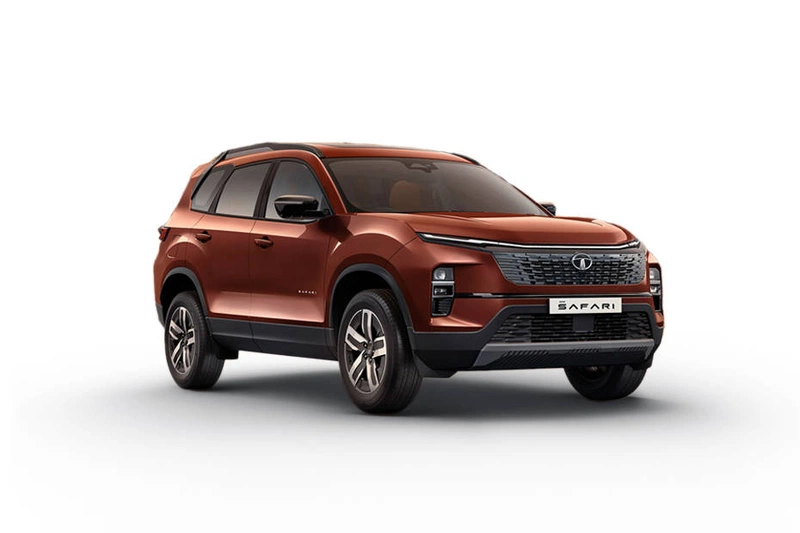
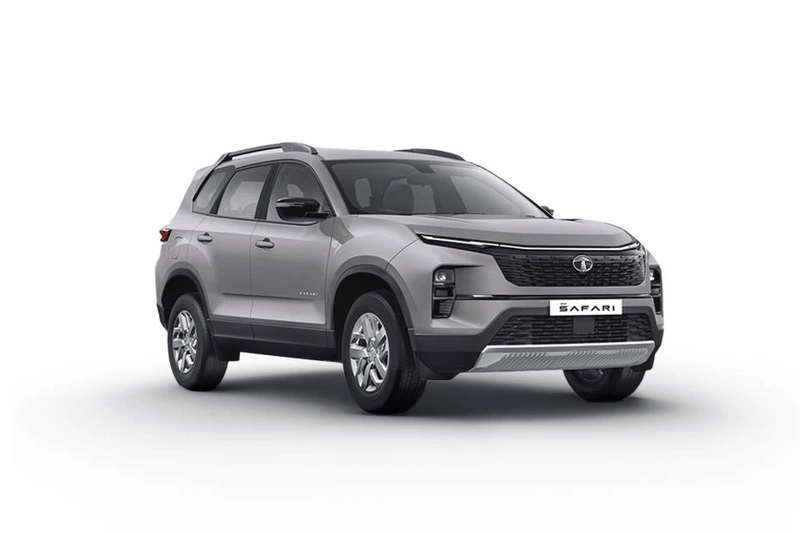

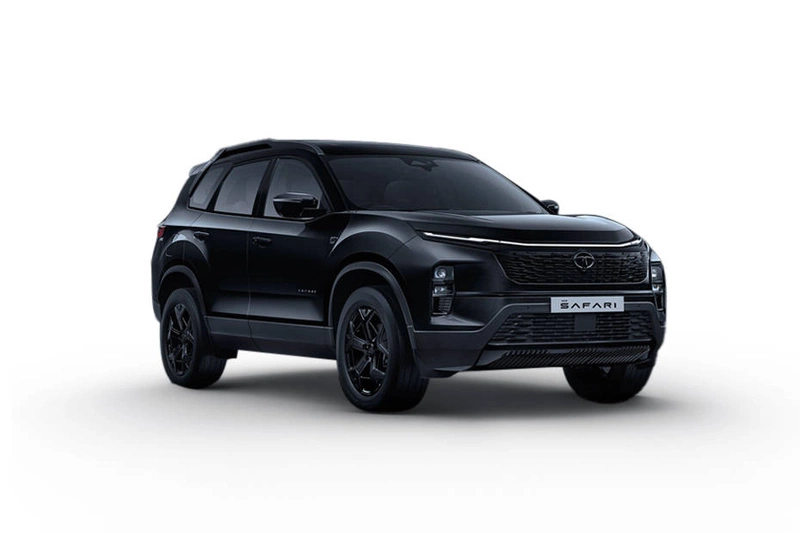
Tata Safari
Overall Rating

Tata Safari
Overall Rating
EMI Loading
Tata Safari Key Specifications
Tata Safari Highlights
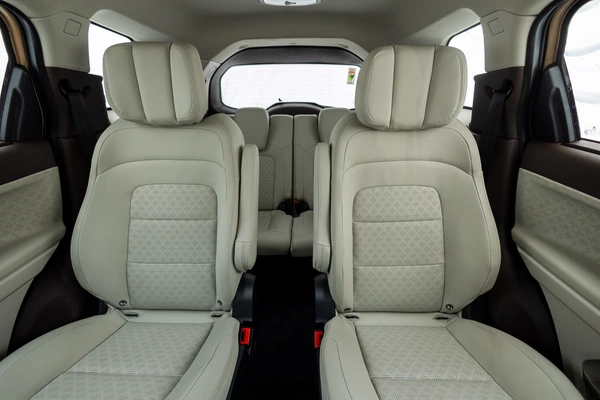
Rear seat ventilation.
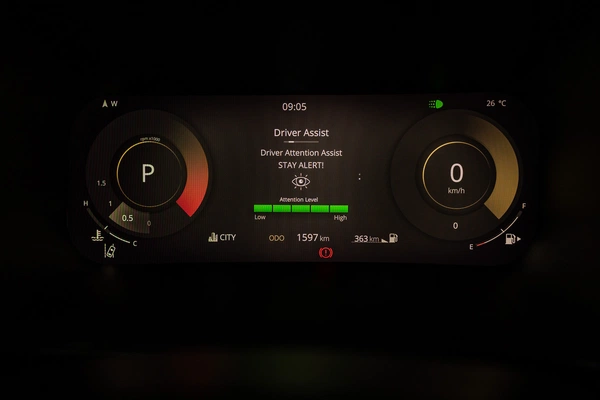
Level 2 ADAS package with low-speed follow.
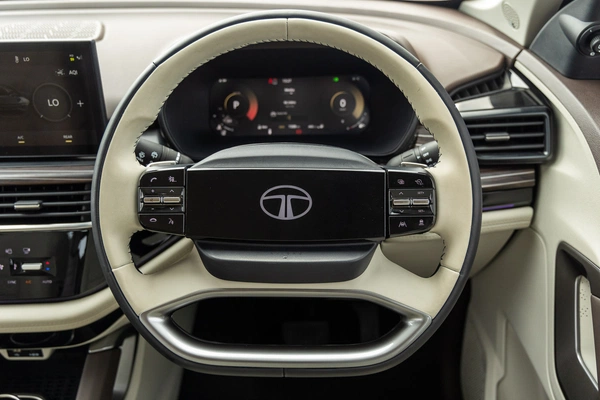
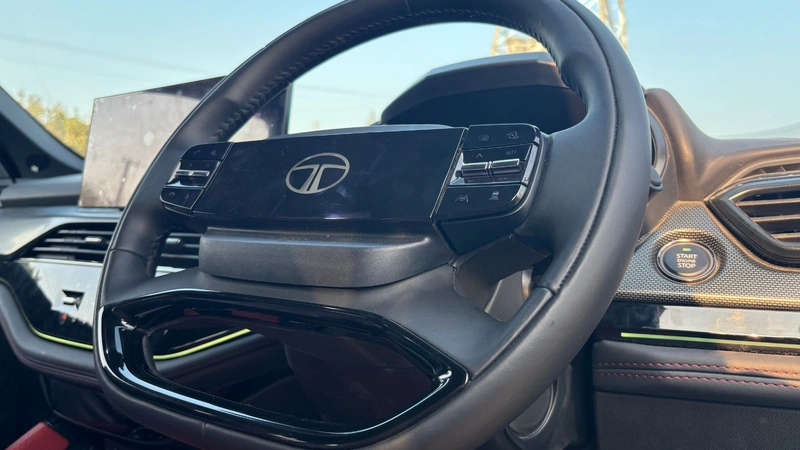
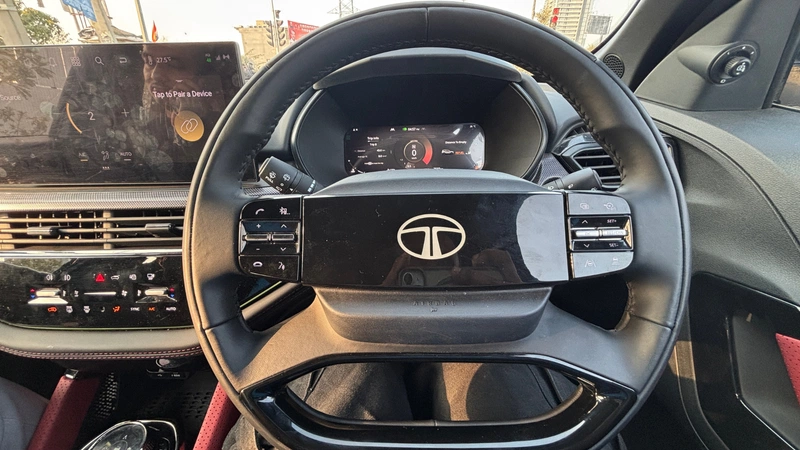
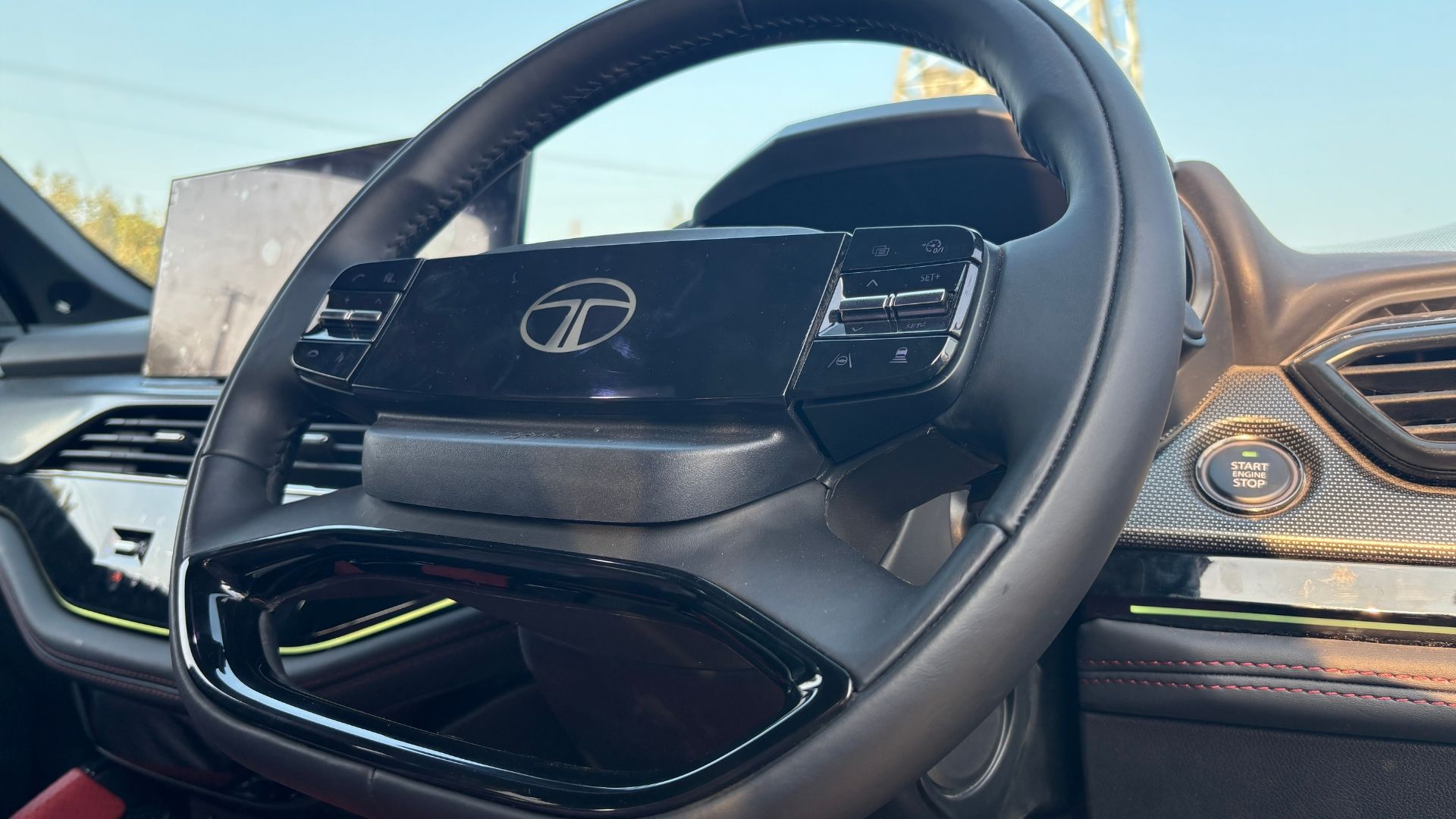
Backlit steering-wheel logo.
Tata Safari Overview

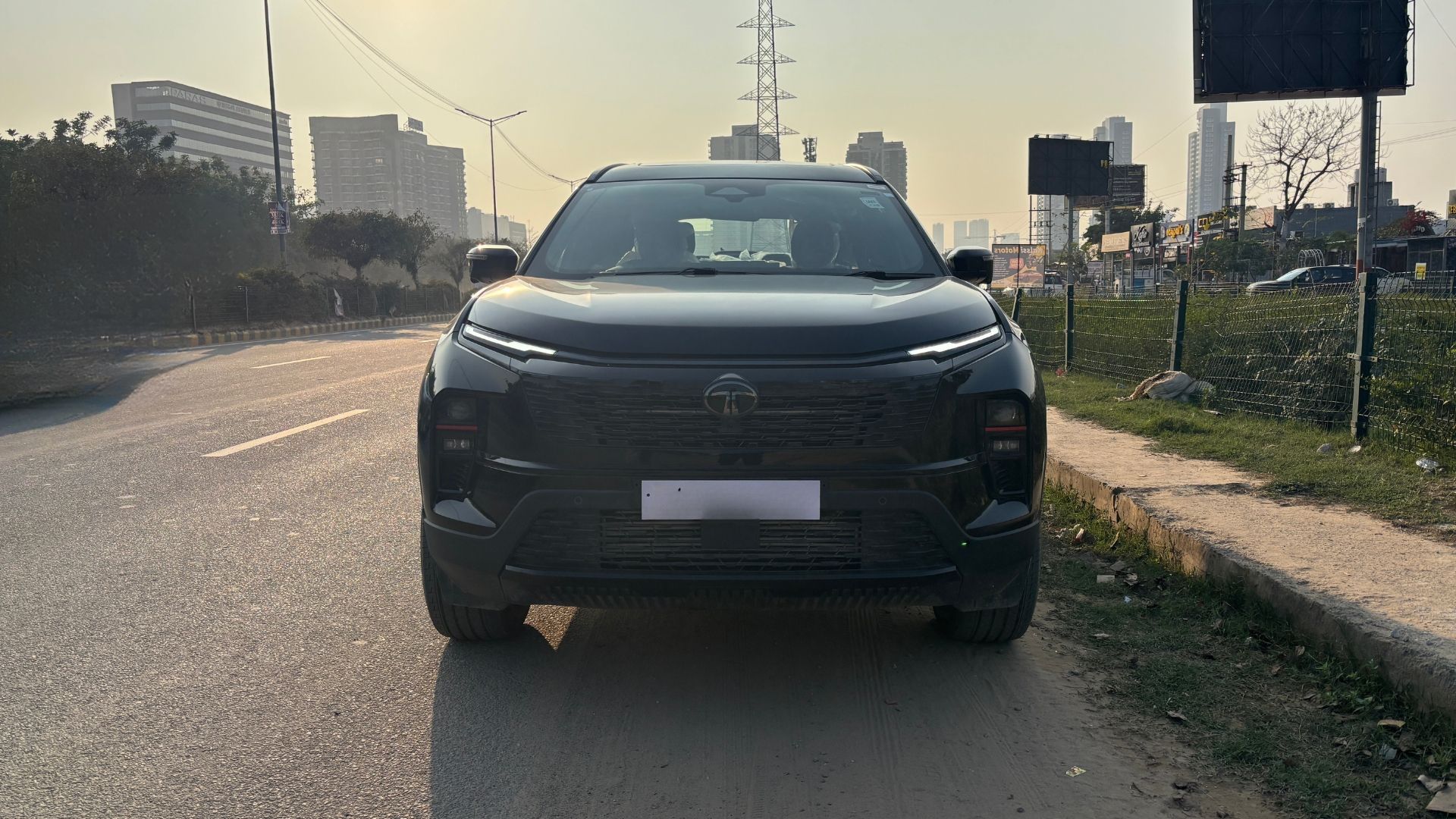
The Tata Safari is a 6 or 7-seater SUV built on the OMEGARC platform, which is derived from Land Rover's D8 architecture.
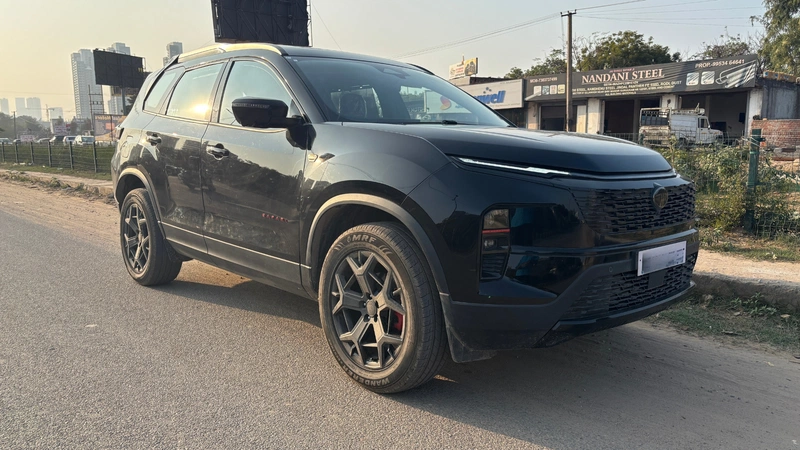
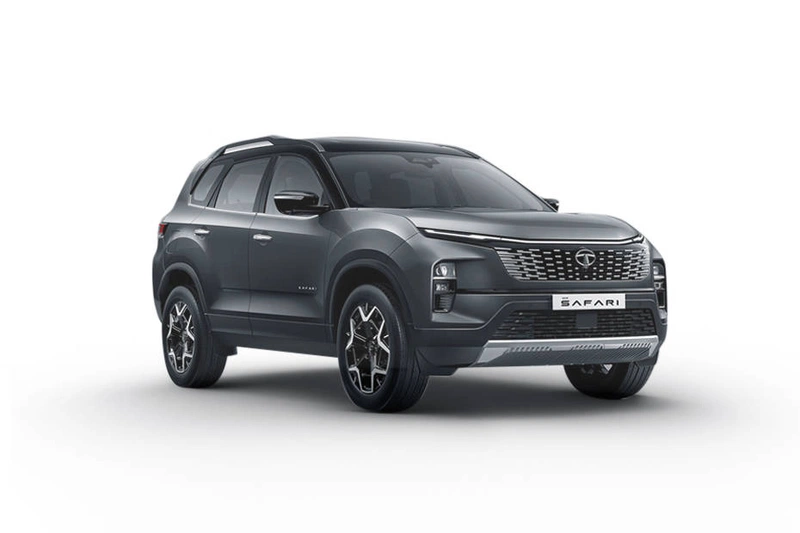
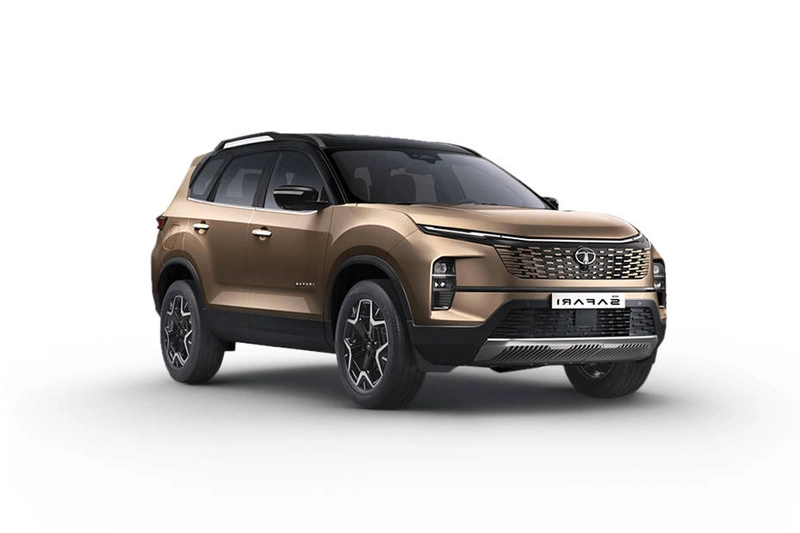
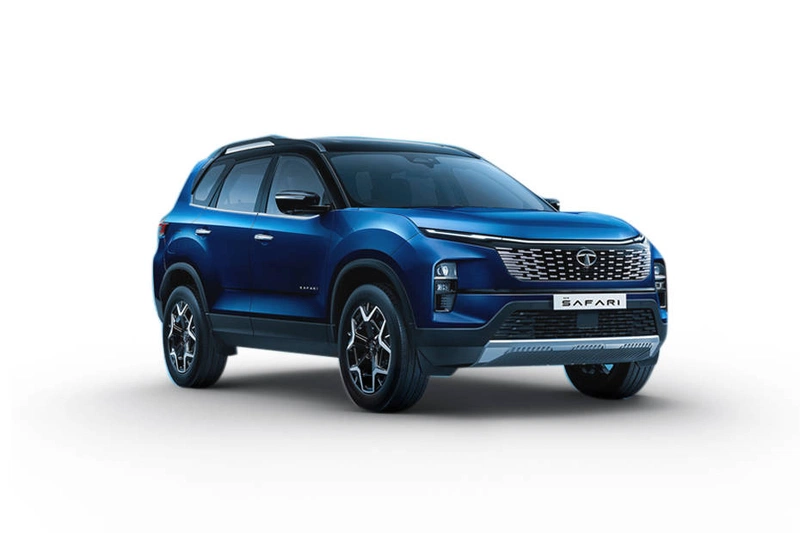
On the outside, it features a bold design with a parametric grille, LED projector headlamps, connected LED tail lamps, and alloy wheels.
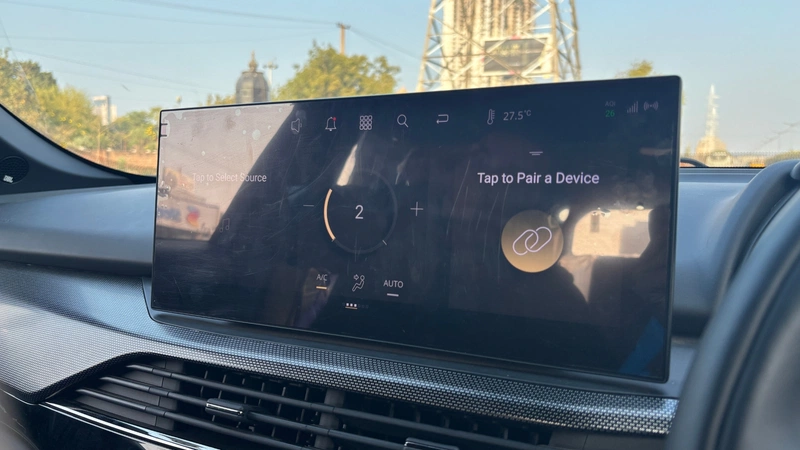
Inside, the cabin offers a choice of six or seven seats along with a large Harman infotainment display powered by Samsung Neo QLED on select variants, a digital instrument cluster, a panoramic sunroof, ventilated seats, a JBL sound system, and connected car features.
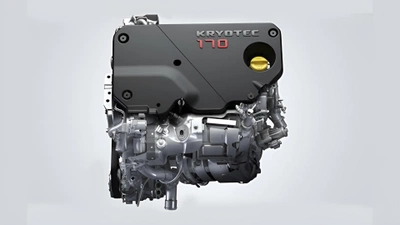
Powertrain options include a 2.0-litre Kryotec turbo-diesel engine and a 1.5-litre Hyperion turbo-petrol engine, both available with either a 6-speed manual or automatic transmission.
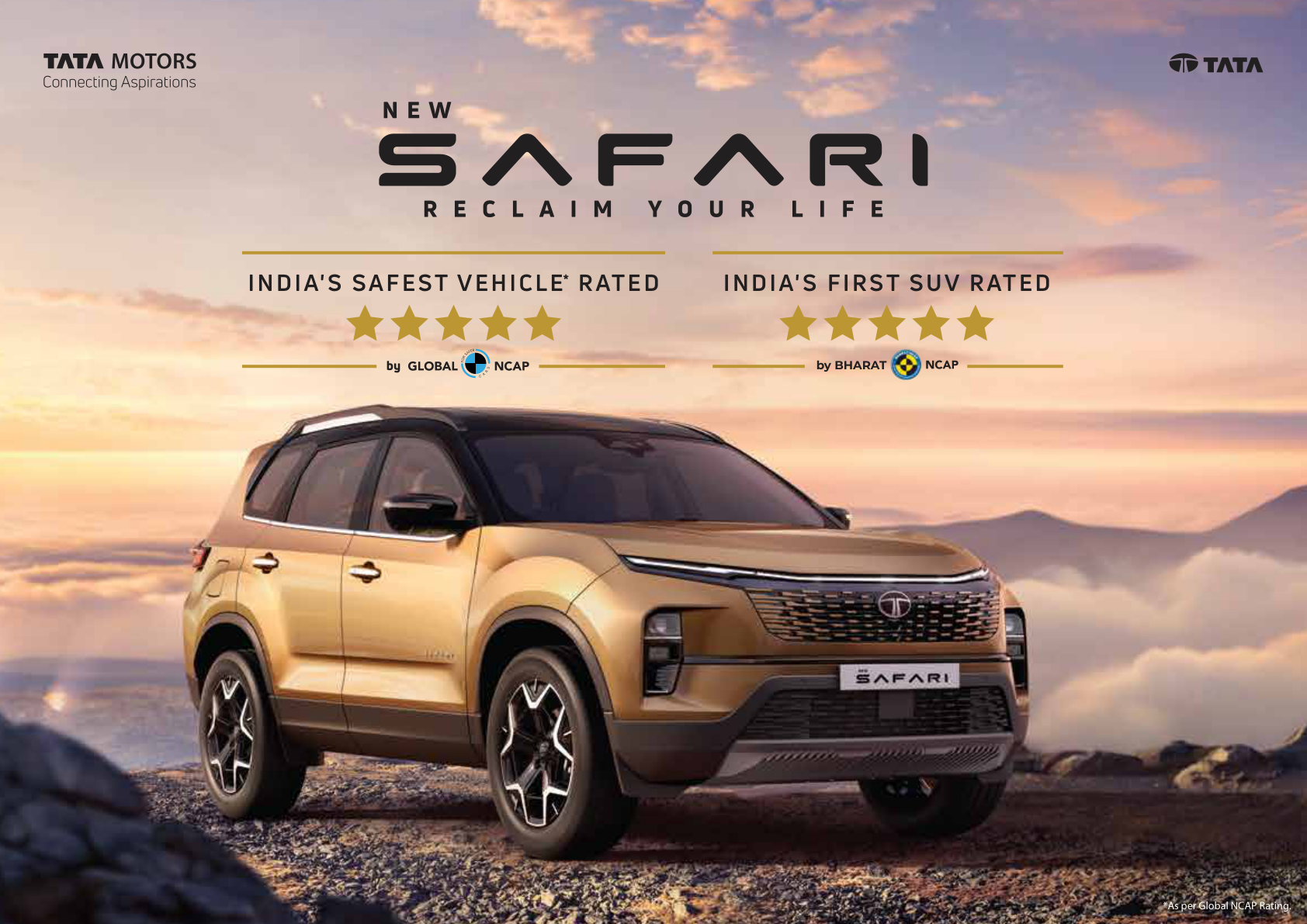
The Safari has received a 5-star safety rating from both Bharat NCAP and Global NCAP. Safety features include up to seven airbags, Electronic Stability Program (ESP), hill hold control, and emergency call support.
Engine and Performance
Engine and Performance
The Safari comes with two engine options, and both generate the same peak power figure, meaning that buyers aren't trading performance for their preferred fuel type.
The 1.5-litre Hyperion Turbo petrol engine produces 168 hp at 5,000 rpm and 280 Nm of torque between 1,750 and 3,500 rpm. Alternatively, the 2.0-litre Kryotec turbocharged diesel matches the 168 hp output but delivers a superior 350 Nm of torque at 1,750–2,500 rpm.
Both engines are paired with either a 6-speed manual or a 6-speed automatic gearbox.
In addition, equipped with an Electronically Controlled Variable Geometry Turbocharger (eVGT) for better responsiveness, the diesel remains the ideal choice for highway cruising and heavy loads.
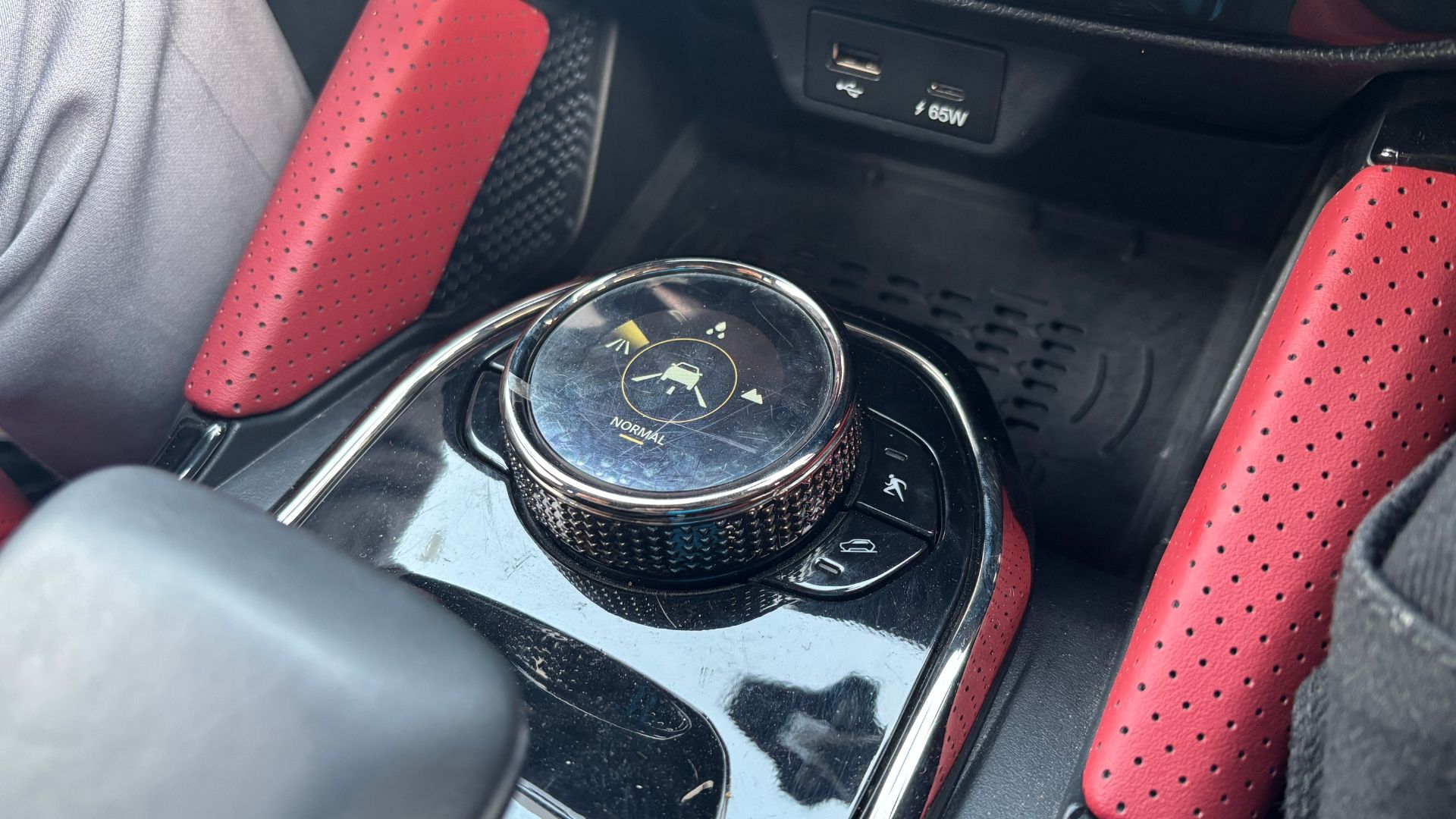
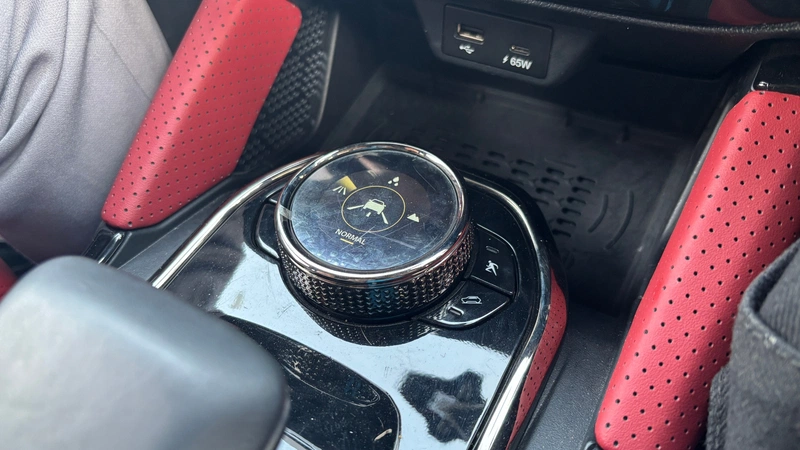
Completing the driving package are three drive modes (Eco, City, Sport) alongside Terrain Response Modes (Normal, Rough, Wet), not available on a few entry level varinats, but are on above variants.
fuel economy
fuel economy
According to ARAI-certified figures, the Safari’s mileage varies by powertrain and gearbox, ranging from 14.1 kmpl to 16.8 kmpl.
The diesel manual is the most efficient, while automatic variants trade some efficiency for added convenience.
interior
interior
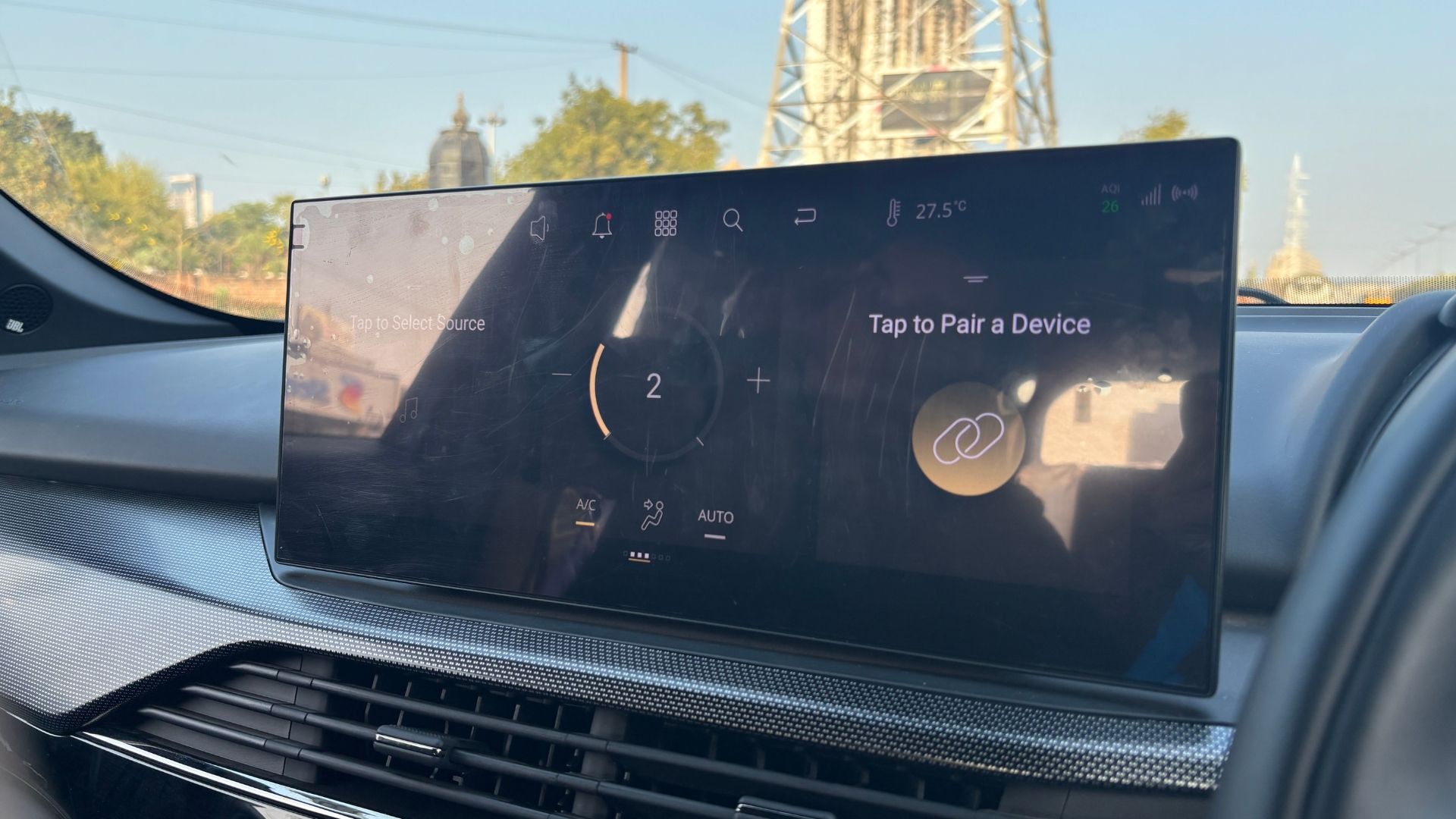
Inside the cabin, the Safari features a Harman-sourced infotainment system, with top-spec variants utilizing a 36.9 cm Samsung Neo QLED display. Depending on the specific trim, lower variants are equipped with either a 31.24 cm or 26.03 cm touchscreen interface.
This is a digital setup that integrates Dolby Atmos technology and routes audio through a 10-speaker JBL system, which includes a central speaker and a subwoofer.
Seating configurations incorporate ventilated seats for the front row, as well as the second row exclusively in the 6-seater models. The second-row seats are designed with a 60:40 split-fold and reclining functionality, while passengers in the third row are supplied with dedicated AC vents.
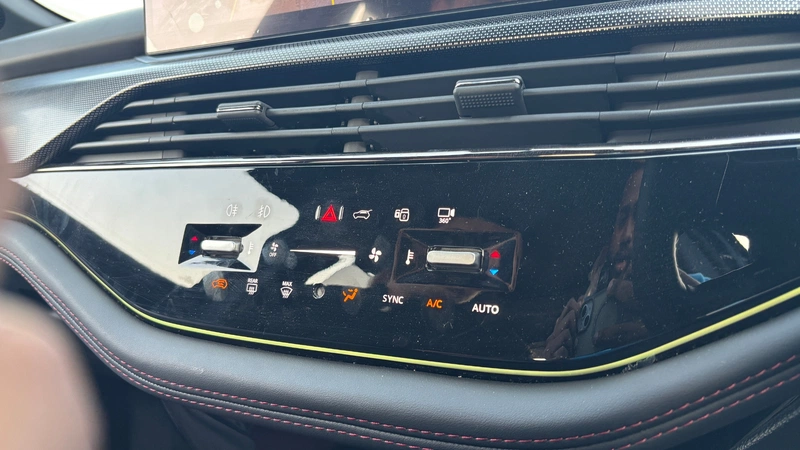
Environmental control is managed by a dual-zone fully automatic climate system working in tandem with a built-in cabin air purifier.
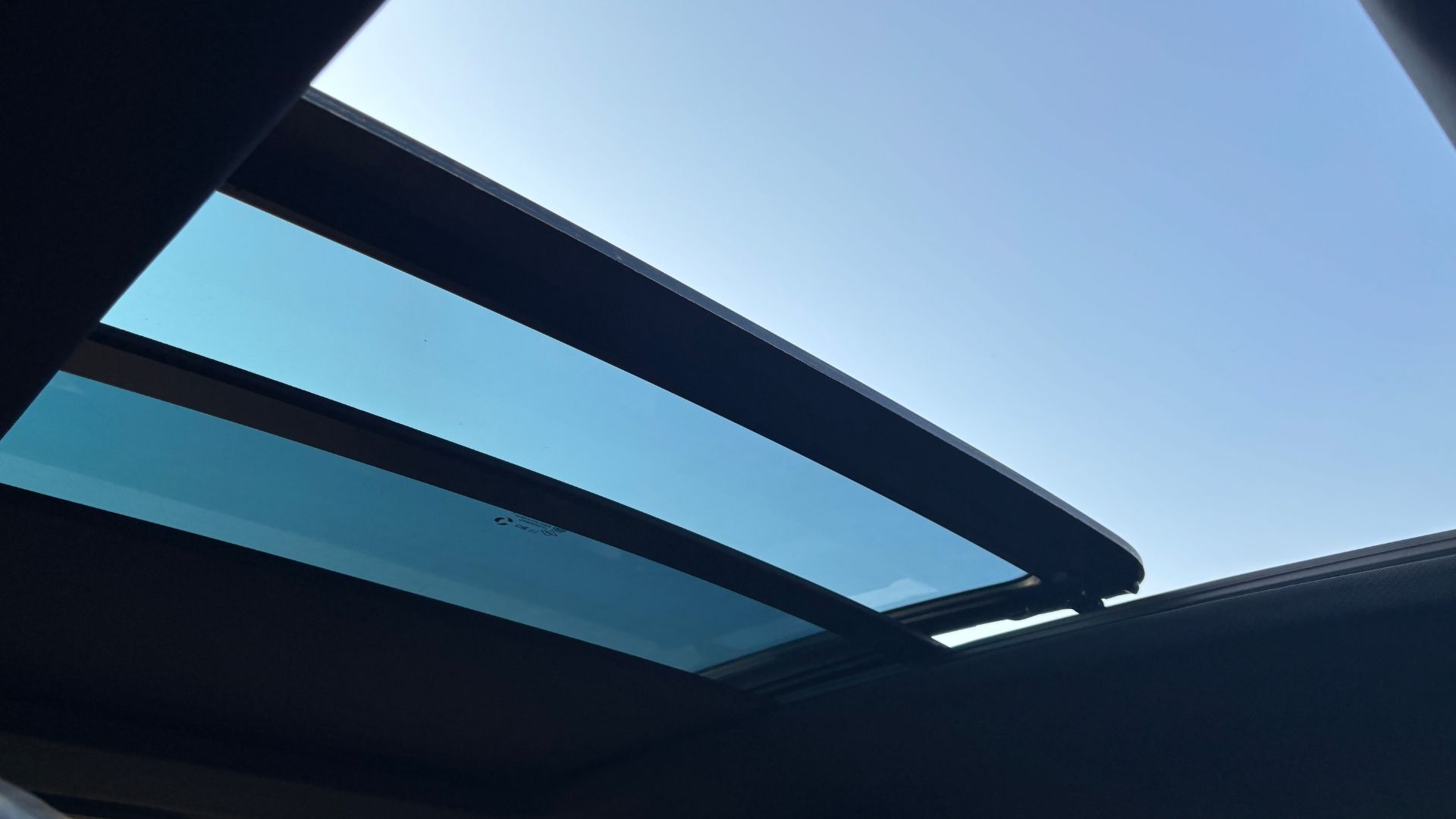
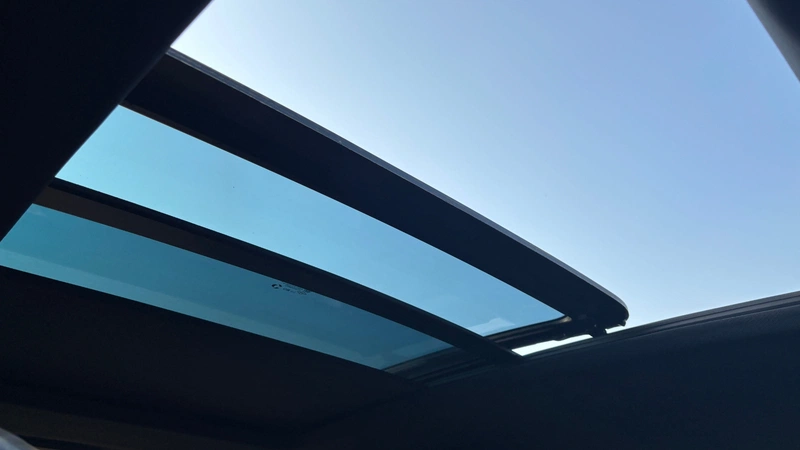
The broader equipment list includes a panoramic sunroof, multicoloured ambient lighting, and a wireless device charger accompanied by a 65W USB Type-C port.
For cargo management, the vehicle offers a standard boot capacity of 420 litres when the third row is folded down. This storage area expands to a maximum volume of 1,550 litres when both the second and third rows are folded flat.
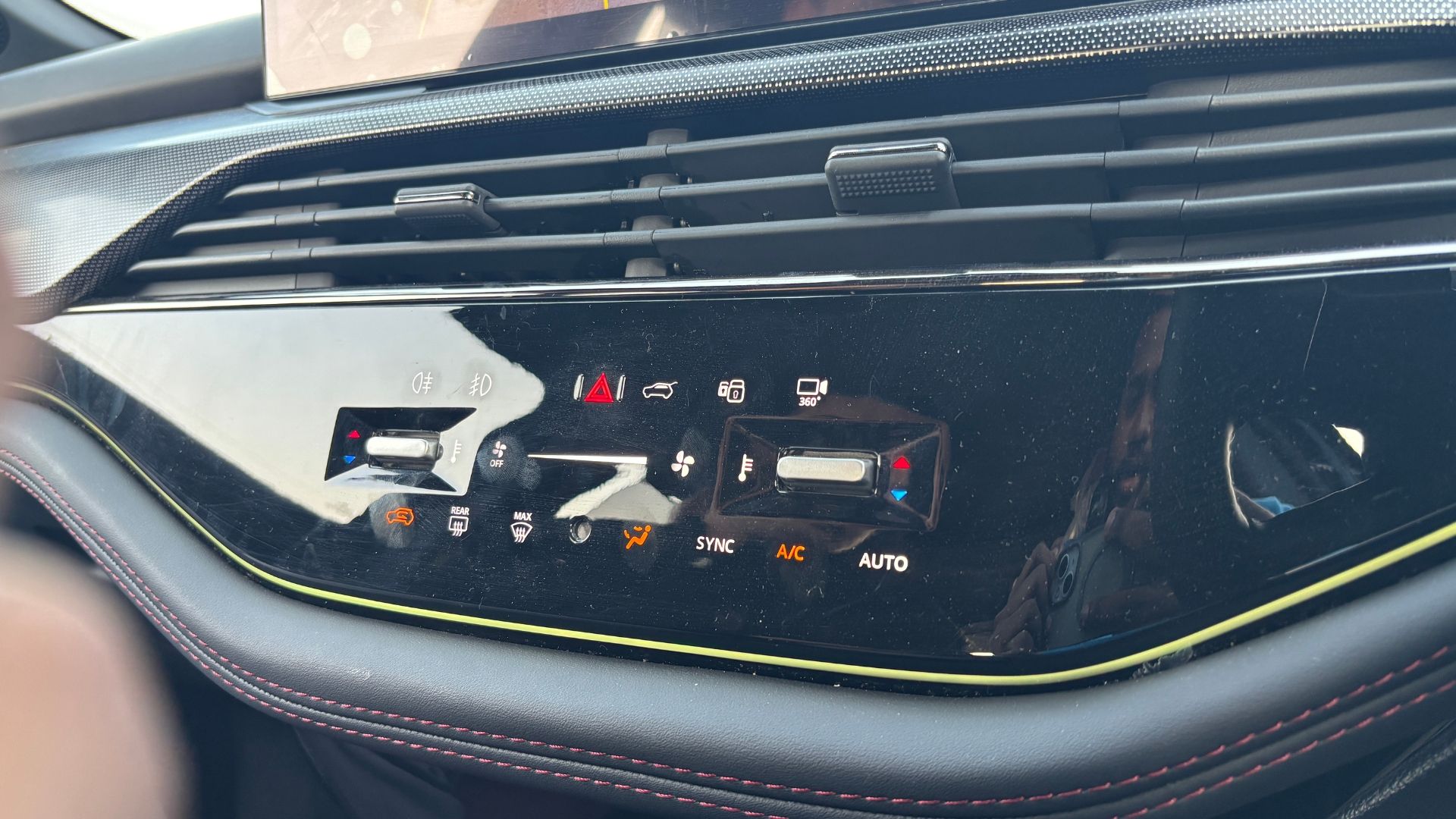
exterior
exterior
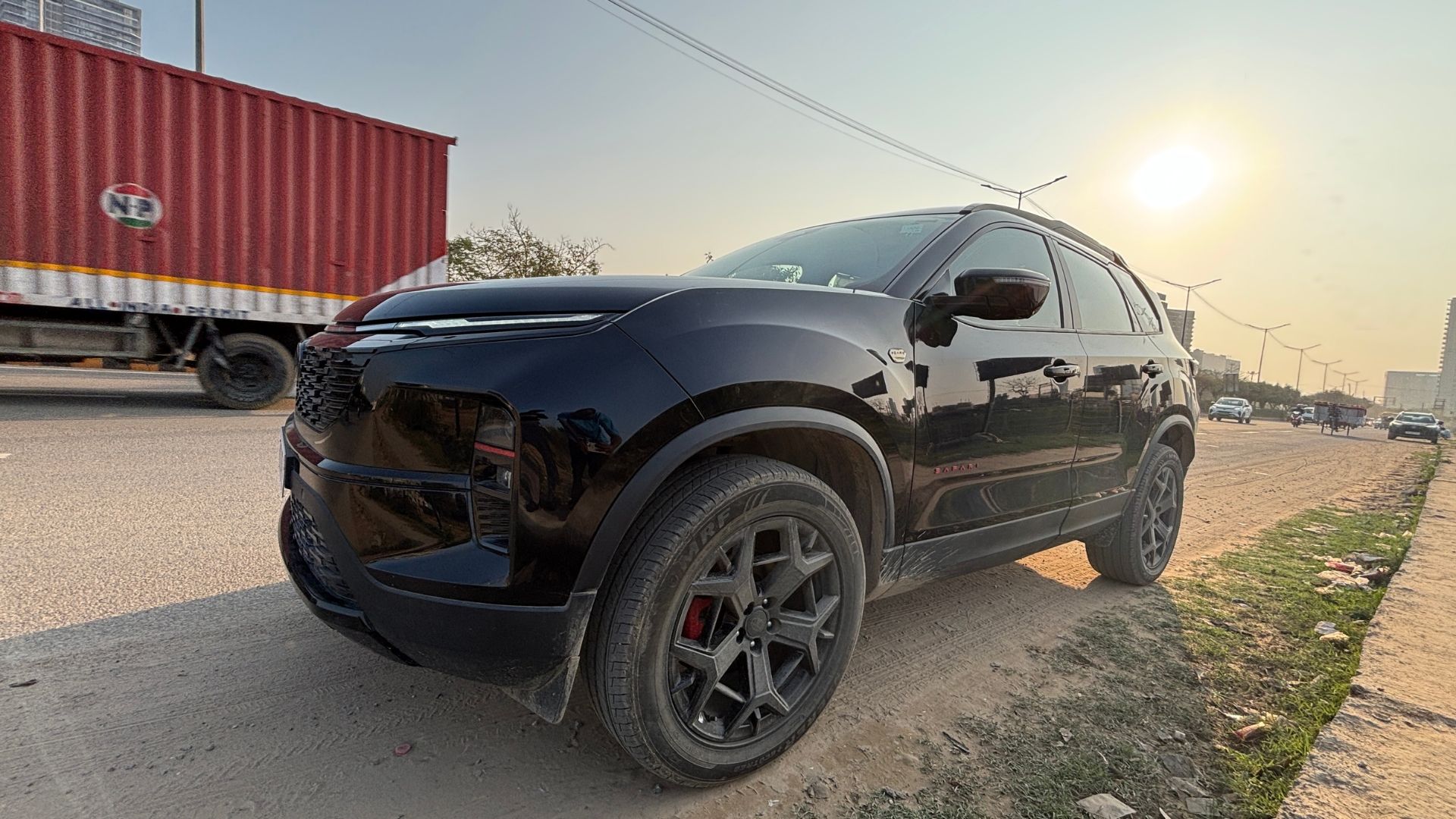
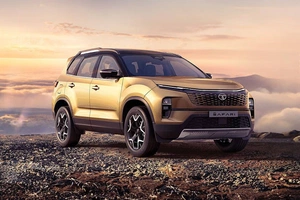
The Safari's exterior is wide at 1,922 mm and tall at 1,795 mm, and fills the road with a commanding stance reminiscent of other SUVs with highest ground clearance.
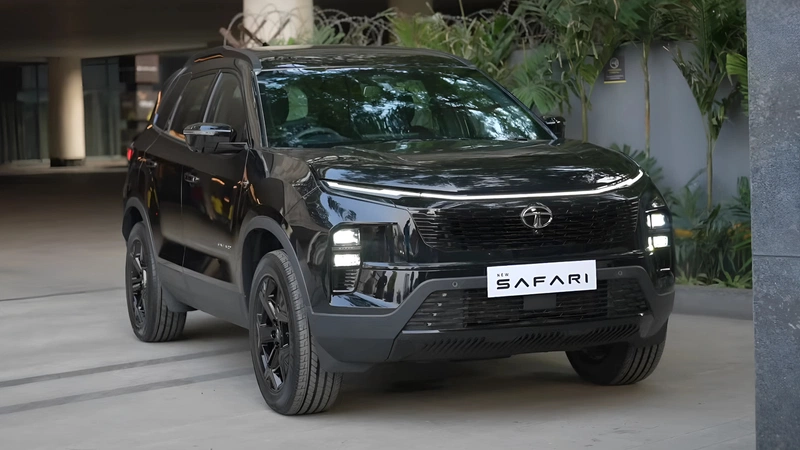
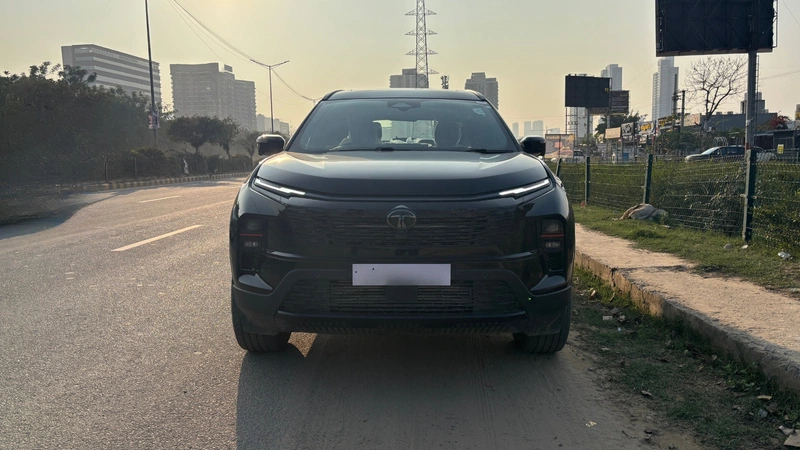
This is particularly defined by its front view, which is anchored by a parametric grille with a central Tata badge, flanked by bi-LED projector headlamps with LED DRLs and a centre position lamp, while a sequential turn indicator animation and a Welcome/Goodbye lamp sequence add a premium touch that buyers in this segment appreciate.
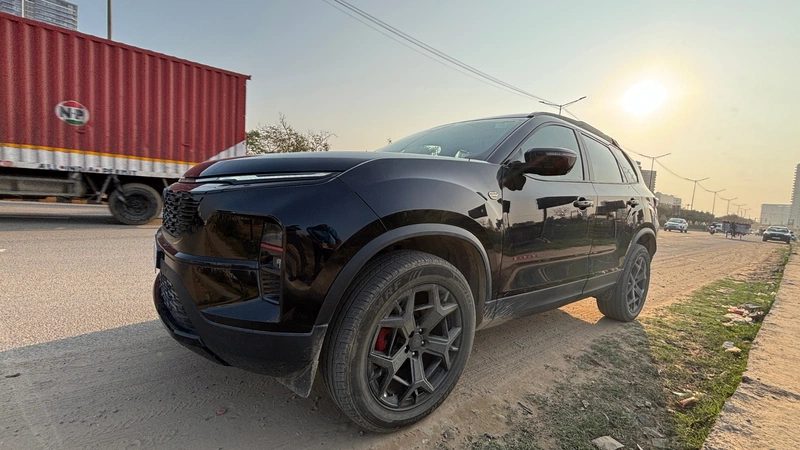
On the sides, the iconic roof rails and the Safari door mascot are signature identifiers, while the R19 dual-tone spider alloy wheels on top variants are a segment-first design detail.
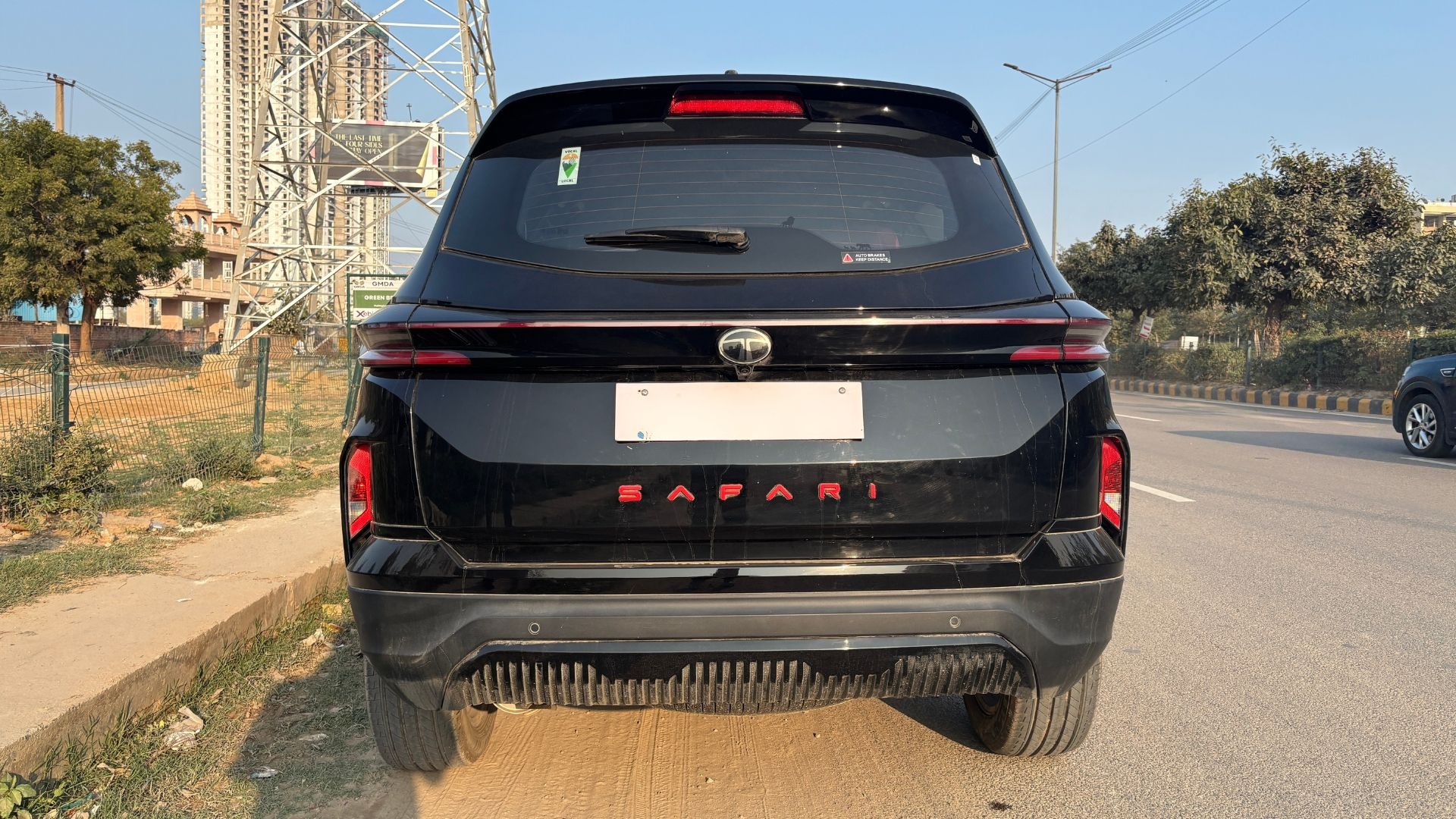
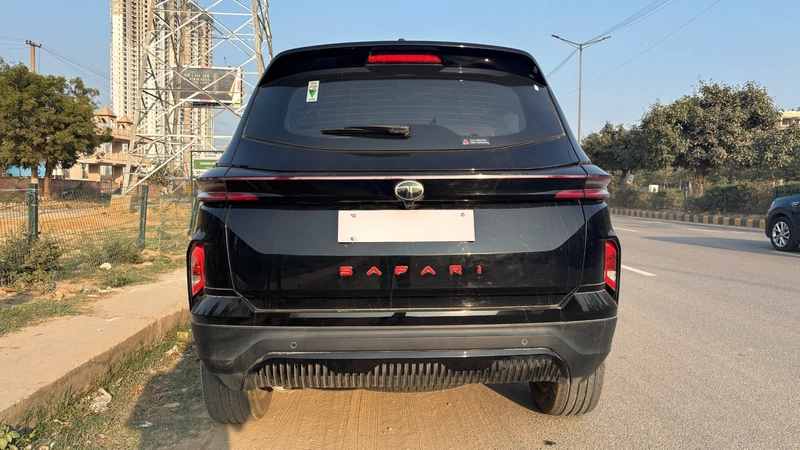
The rear is defined by a full-width LED DRL strip connecting the tail lamps, a design cue that's now become increasingly common in premium SUVs, but the Safari carries it cleanly.
To round things off, higher variants add a gesture-controlled powered tailgate, while a shark fin antenna and optional #DARK and Stealth styling packages round out the exterior choices for buyers who want a more distinct look.
safety
safety
The Safari has received a 5-star safety rating from both Bharat NCAP and Global NCAP, placing it among the safest cars tested under the former.
Standard safety features include six airbags, all-wheel disc brakes, ABS with EBD, ESP, rollover mitigation, and three-point seat belts with reminders for all seats.
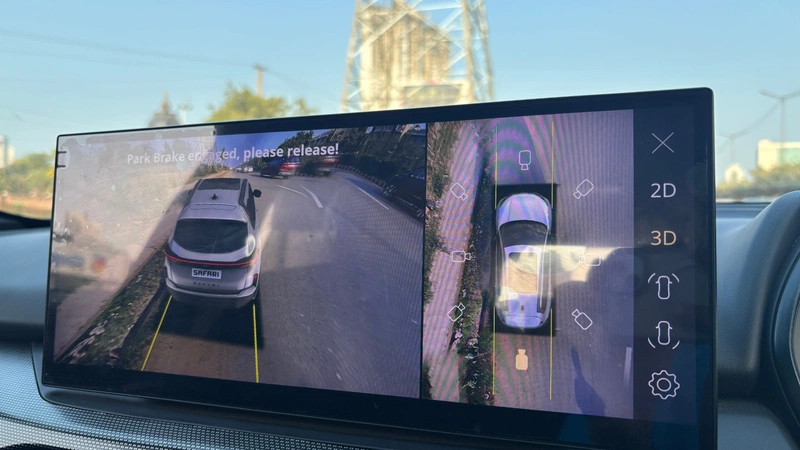
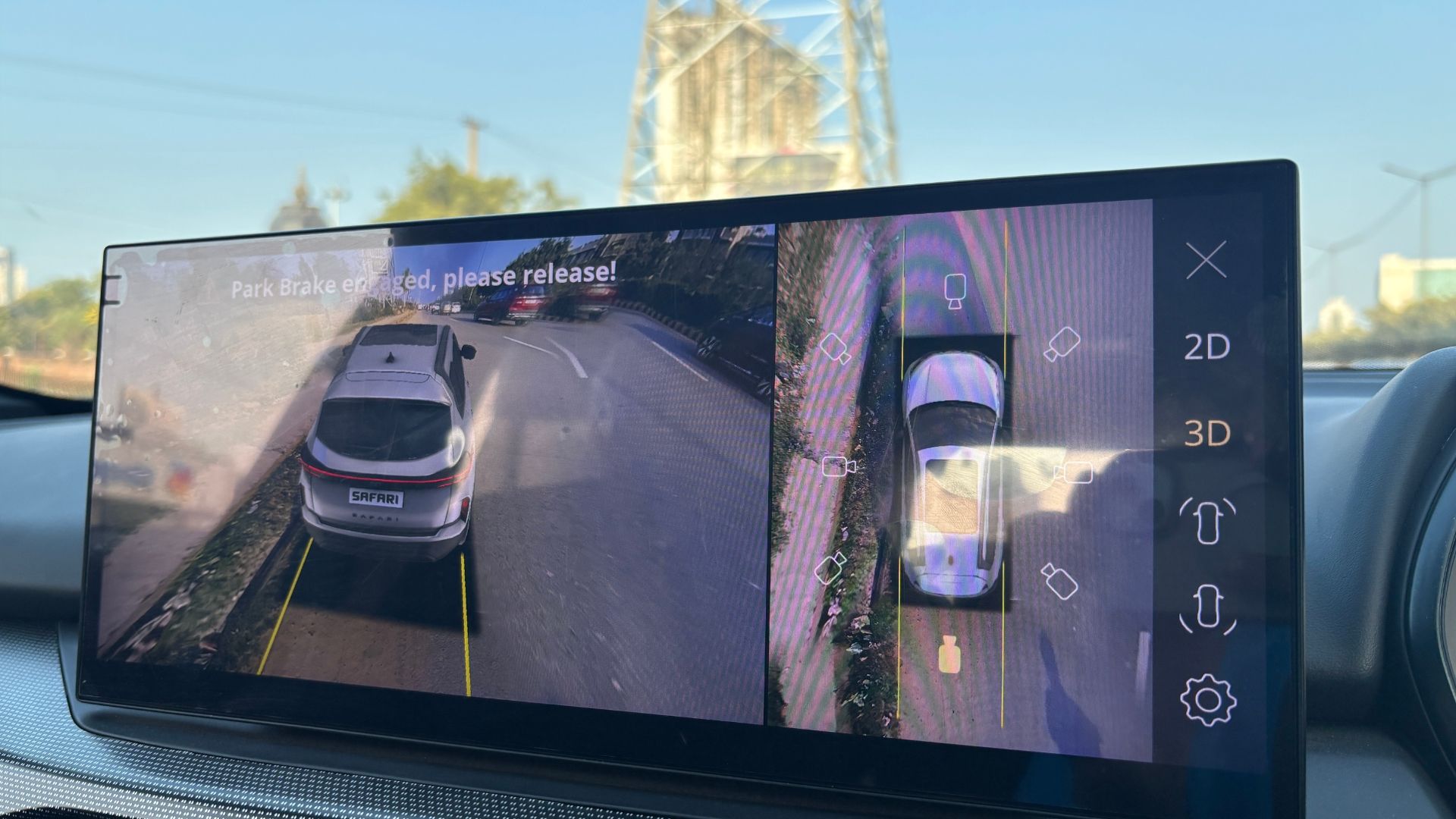
Higher variants add Hill Hold Control, Hill Descent Control, an electronic parking brake with Auto Hold, ISOFIX child seat anchors, a 360-degree camera, front and rear parking sensors, and TPMS.
Top variants also get Level 2 ADAS with features such as Autonomous Emergency Braking, Adaptive Cruise Control, Lane Keep Assist, Blind Spot Detection, and Rear Collision Warning, among others.
competition
competition
The Safari's closest rivals in the Indian market are the Kia Carens and the Mahindra XUV700.
Against the Carens, the Safari’s 2.0-litre turbo-diesel produces about 168 hp and 350Nm, compared to the former's 113 hp and 250Nm from its diesel engine. The Safari also offers significantly more boot space, about 447 litres versus the Carens’ 216 litres with all three rows in use.
The XUV700 is arguably its most direct fight as it matches the Safari on ADAS capability, offers a more powerful diesel in higher trims, and comes in slightly more accessible pricing.
Additionally, the Safari holds an advantage in safety, with 5-star ratings from both Global NCAP and Bharat NCAP, placing it ahead of many rivals.
Tata Safari mileage
The Tata Safari mileage ranges from 10 to 23 kmpl. The Manual Diesel variant has an ARAI mileage of 10 kmpl. The Manual Petrol variant has an ARAI mileage of 23 kmpl.
| Fuel Type | Transmission | ARAI Mileage | * City Mileage | * Highway Mileage |
|---|---|---|---|---|
| Diesel | Manual | 10 kmpl | 23 kmpl | - |
| Petrol | Manual | 23 kmpl | - | - |
Tata Safari News
Tata Safari FAQs
Is the Tata Safari available with a petrol engine?
−Yes, the Safari is available with a 1.5-litre Hyperion Turbo GDI Petrol engine producing 168 hp and 280 Nm, alongside the existing 2.0-litre Kryotec Diesel.
What seater configurations does the Safari come in and what is the boot space?
+The Safari comes in both 6 and 7-seater configurations. With the third row folded, boot space is 420 litres (6-seater) or 680 litres (7-seater). With both rear rows folded, it expands to 827 litres or 1,550 litres respectively.
Does Safari have ADAS, and how advanced is it?
+Yes, ADAS is available on the Safari, with top variants offering ADAS Level 2+ featuring up to 22 functionalities, including Autonomous Emergency Braking, Lane Centering, Blind Spot Detection, and Rear Collision Warning.
What is Safari's Global NCAP safety rating?
+The Safari diesel holds a 5-star Global NCAP rating under the Safer Cars for India 2023 programme. It is also the first SUV to receive a 5-star rating from Bharat NCAP. The GNCAP rating is applicable to the diesel variant only. In terms of safety equipment, the entry level variants get 6 airbags, while mid range and above variants get 7 airbags including a driver knee airbag.
What transmission options are available?
+Both petrol and diesel engines are available with a 6-speed manual or 6-speed automatic gearbox across most variants. One of the top variant is only available in diesel with the 6-speed manual.
Is the Tata Safari available in petrol, CNG, electric or diesel engines?
+The Safari is currently available with Petrol and Diesel engines.
What are the key safety features in the Safari ?
+The Safari comes equipped with several safety features including Anti-lock Braking System (ABS), Central Locking, Electronic Brakeforce Distribution (EBD), Electronic Stability Control (ESC), Speed Alert and Hill Assist.
What are the boot space and dimensions of the Tata Safari?
+The Safari offers 680 Litres of boot space. Its dimensions are 4668 mm in length, 1922 mm in width, and it has a wheelbase of 2741 mm.
What colours does the Tata Safari come in?
+The Tata Safari is available in the following colours: Stardust Ash Black Roof, Cosmic Gold Black Roof, Galactic Sapphire Black Roof, Supernova Coper, Lunar Slate, Stellar Frost and Oberon Black.