


Tata Harrier
Overall Rating

Tata Harrier
Overall Rating
EMI Loading
Tata Harrier Key Specifications
Tata Harrier Highlights
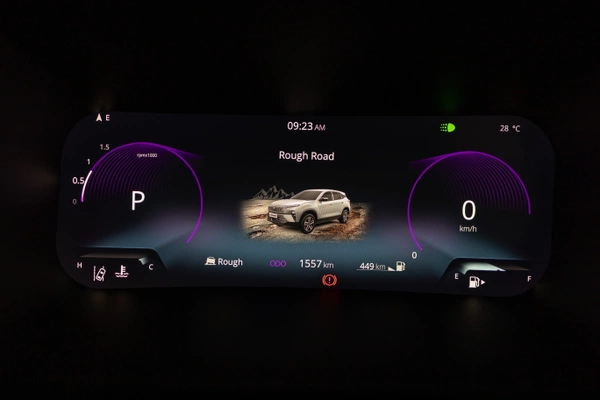
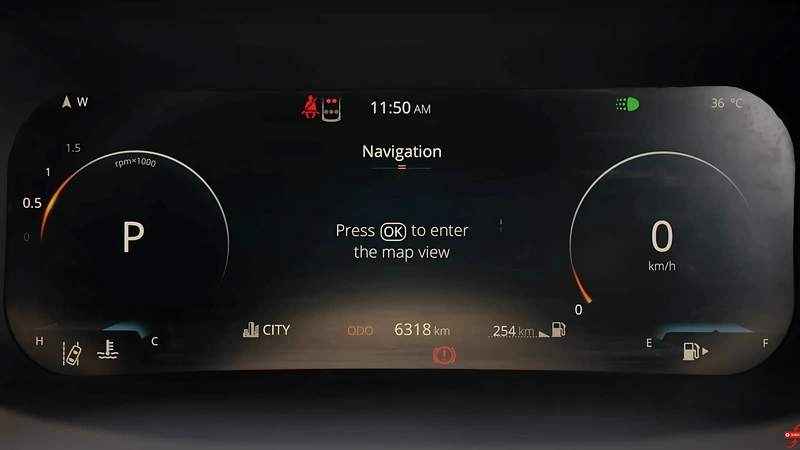
10.25-inch digital cluster with built-in navigation display.
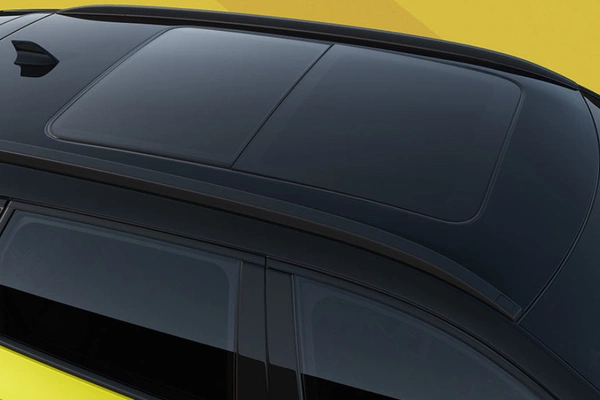
Panoramic sunroof with rain-sensing wipers and anti-pinch safety.
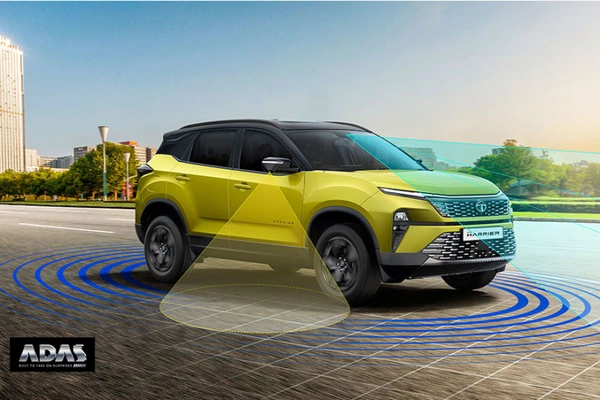
Adaptive cruise control with full stop-and-go capability.
Tata Harrier Overview

Tata Harrier is built on the Land Rover-derived D8 platform, known for strong road presence, comfort, and 5-star safety. It comes with a 170-hp diesel engine with either 6-speed manual or automatic transmission.
Engine and Performance
Engine and Performance
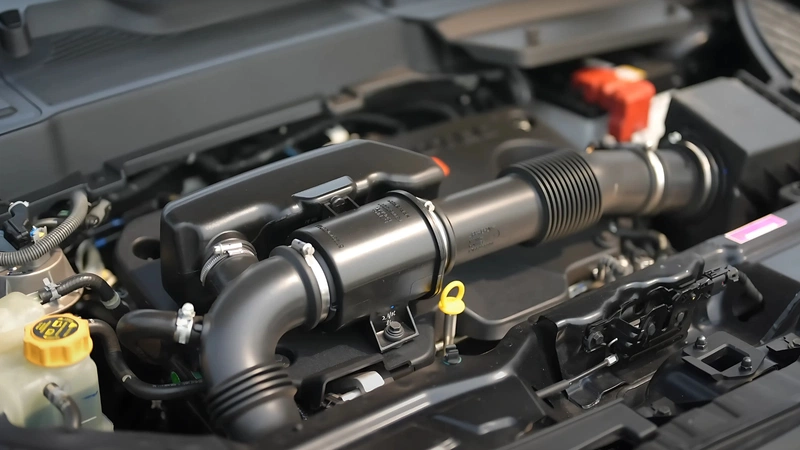
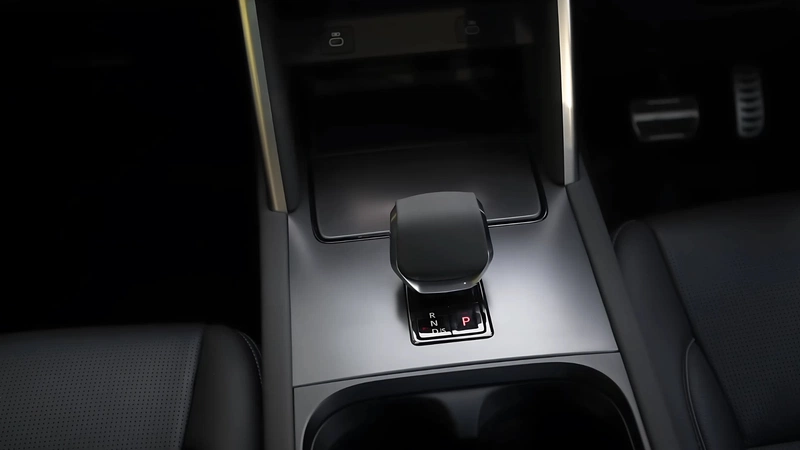
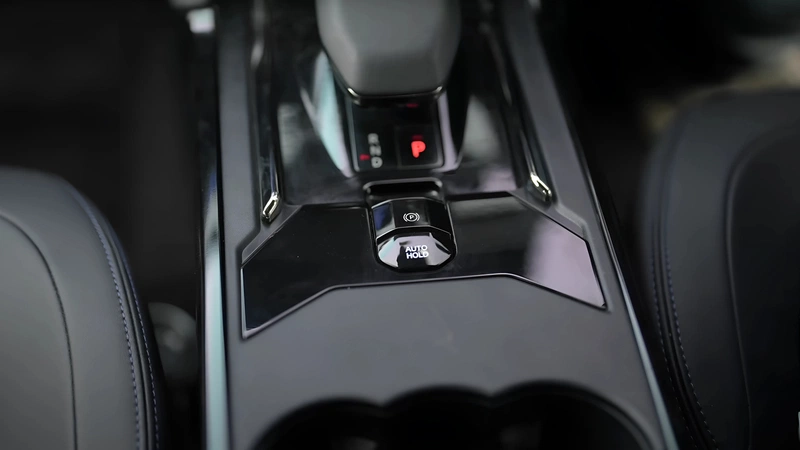
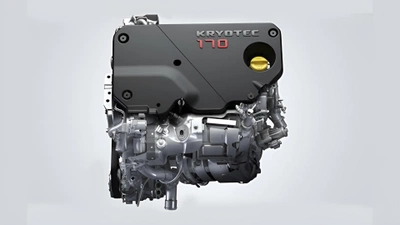
The Harrier is powered by a Fiat 2.0L turbocharged diesel engine, delivering 168 hp at 3750 rpm and 350 Nm of torque between 1750–2500 rpm. Our review unit came with a 6-speed automatic transmission (torque converter).
We conducted our review on Saturday around 7 AM with vast, empty stretches of road at our disposal. I drove mostly in Sport mode, and the power was insane. Combine that already bonkers power figure with diesel’s natural low-end torque, and you have a rocket that takes off at a moment’s notice.
The low-end torque also eliminates any turbo lag, which was never noticeable to begin with. The automatic gearbox is tuned for smooth, patient driving—even in Sport mode, it remained relaxed and took its sweet time to shift up and down.
During our test drives around Gurgaon, the engine felt refined, with no NVH below 4000 rpm. Above that, you hear the diesel unit thrum briefly before wind noise takes over, which stays out of the cabin up to 120 kmph.
Previous Harriers were notorious for poorly weighted steering units, which have been upgraded in the facelift. We felt the upgrade was massive, with steering that felt light at low and stable at high speeds, as it should have been from the start.
The independent suspension in the Harrier handles Gurgaon’s mix of smooth highways and potholed roads well, though some users note a slightly hard ride on very rough roads.
While the XUV700 rides well compared to the Harrier, it suffers from moderate body roll during high-speed lane changes—something the Harrier’s slightly stiff suspension mitigates.
I managed an average of 10 kmpl in Sport mode in both the city and on the GFR expressway. Halfway through, I switched to ECO mode and the results were impressive; cruising at 90 kmph at about 1900 rpm, I got 18.8 kmpl.
interior
interior
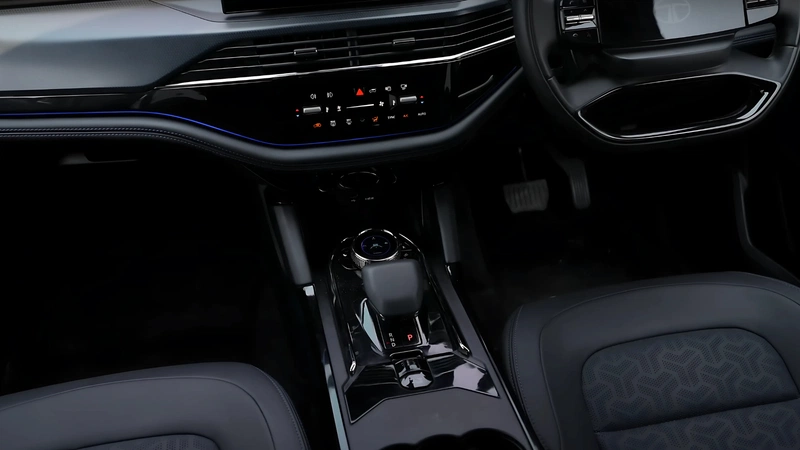
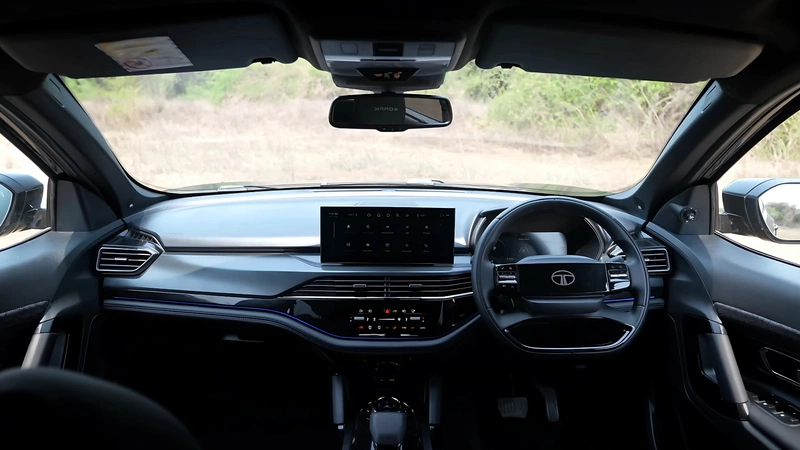
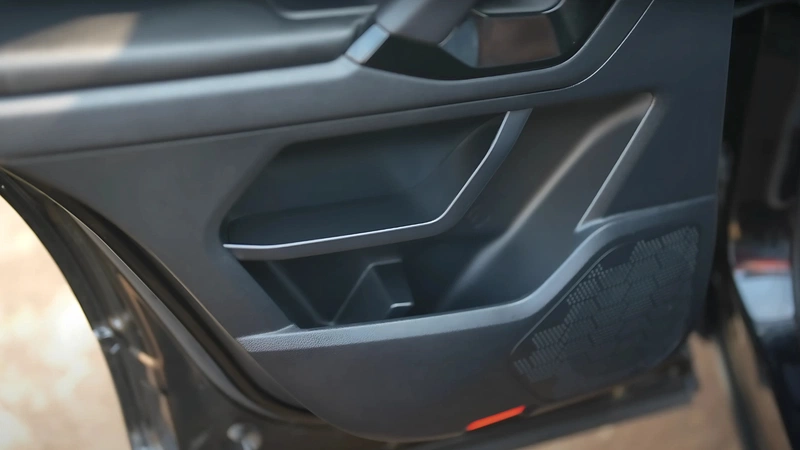
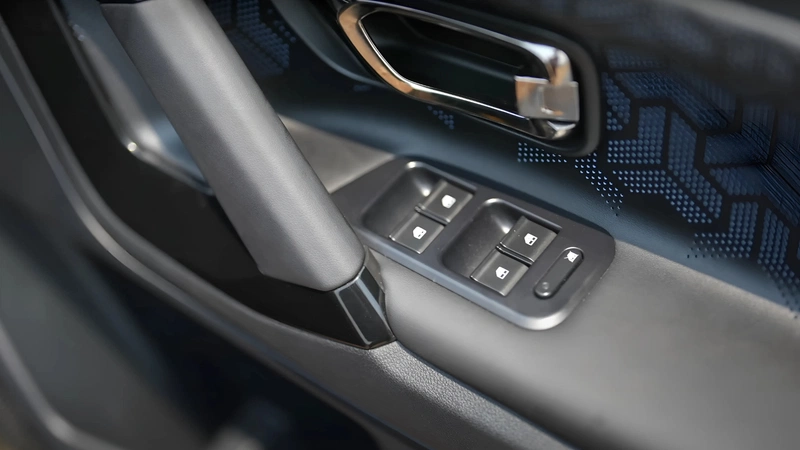
The Harrier offers a spacious and comfortable cabin that makes you feel cosy and protected, thanks to its chunky A and B pillars. The massive dash and neatly integrated center display give the Harrier a vibe reminiscent of a baby Evoque. While hard plastics are still present on the door tops and around the cabin, their quality is better than that found in the Nexon and Punch.
Our Harrier owner wasn’t a big fan of the sunroof and chose the Pure Plus variant instead. This variant also comes with paddle shifters, cruise control, and terrain modes—the lattermost felt pretty useless in an FWD car, and we rarely used it.
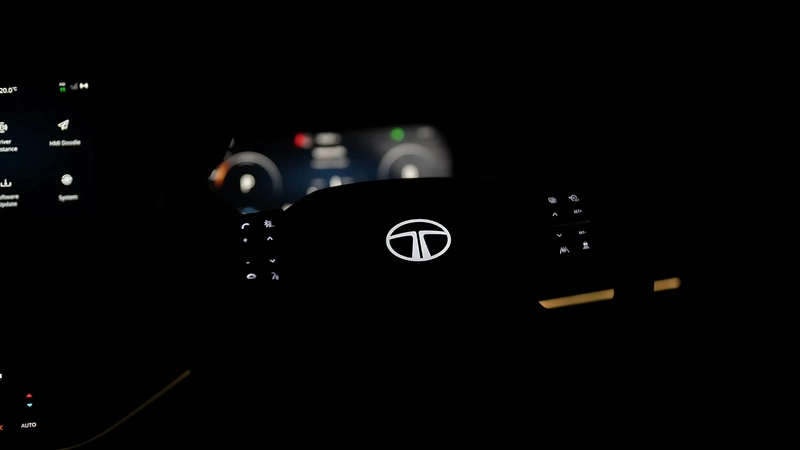
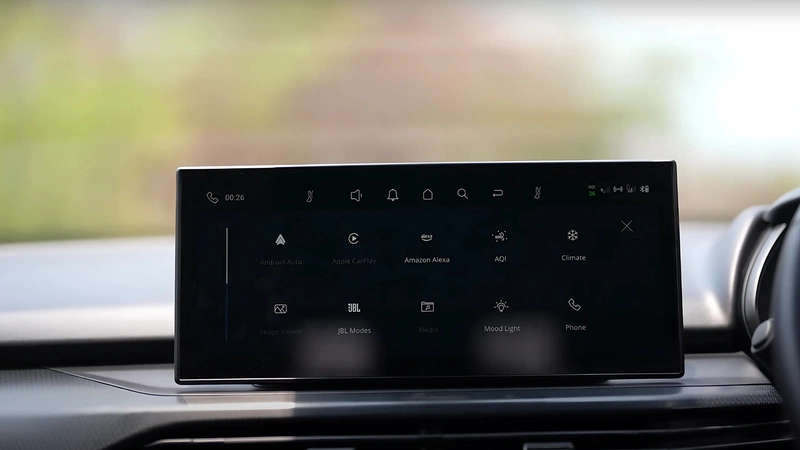
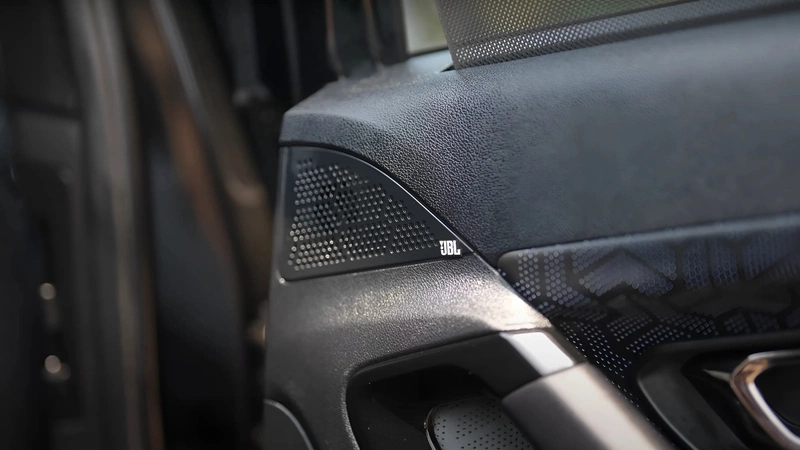
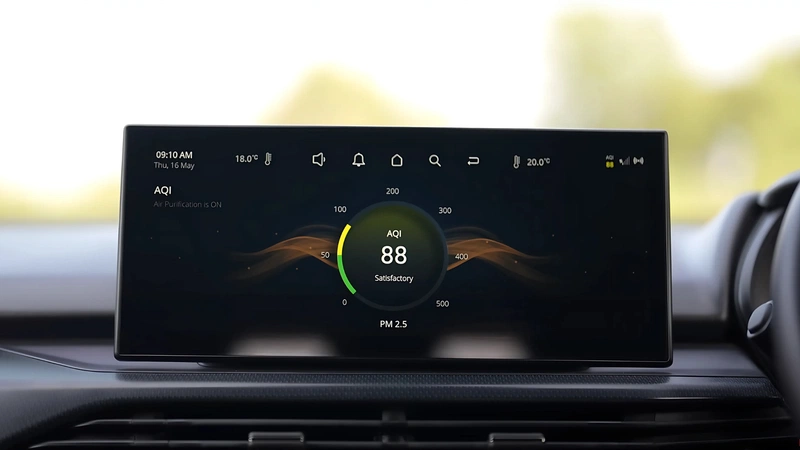
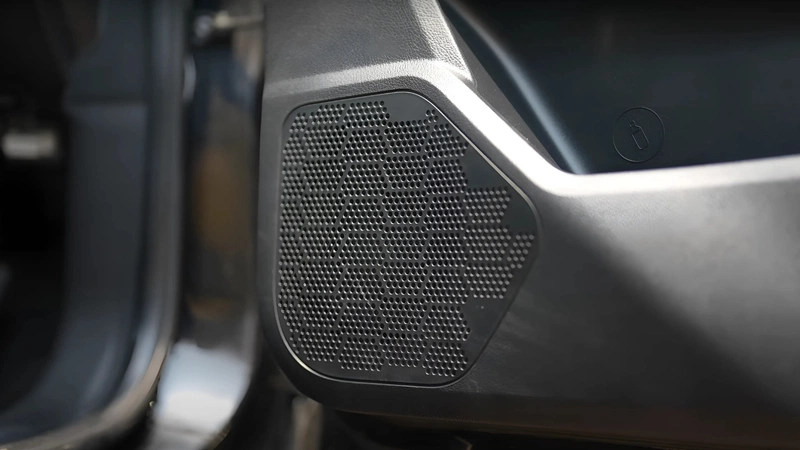
The Pure Plus variant boasts a 10.2-inch touchscreen infotainment system with Android Auto and Apple CarPlay, a 10.25-inch digital instrument cluster, and a premium 6-speaker system. Although many owners complain about Tata’s laggy, buggy UI, our unit only lagged once with my cameraman’s iPhone 12; switching to an iPhone 13 Pro resolved the issue.
The audio system is loud with clear vocals and minimal bass. There’s plenty of boot space if you want to add an aftermarket system. Both digital clusters are clear and responsive; we liked that you could display maps in the main gauge, saving us some hassle.
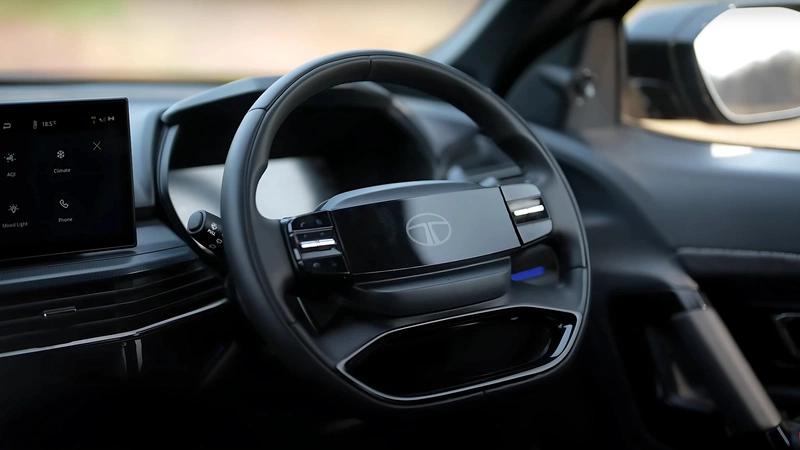
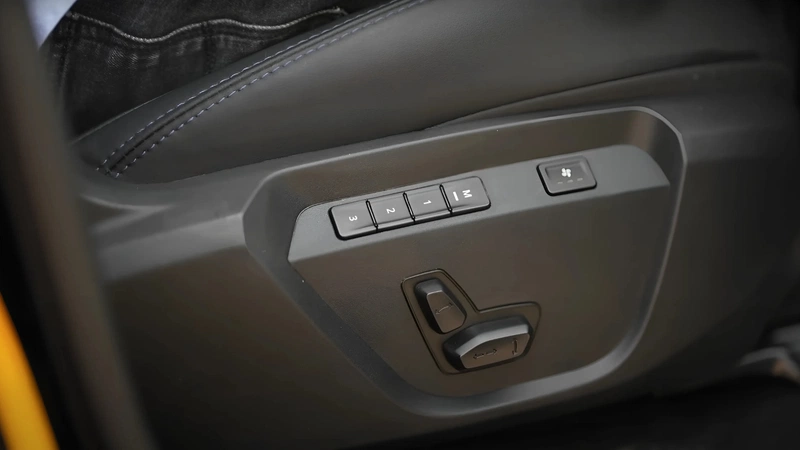
The leather-wrapped steering wheel feels great, and the deeply cushioned seats—with driver height adjustment—are a significant upgrade over the lower Pure variants priced at ₹18 lakhs.
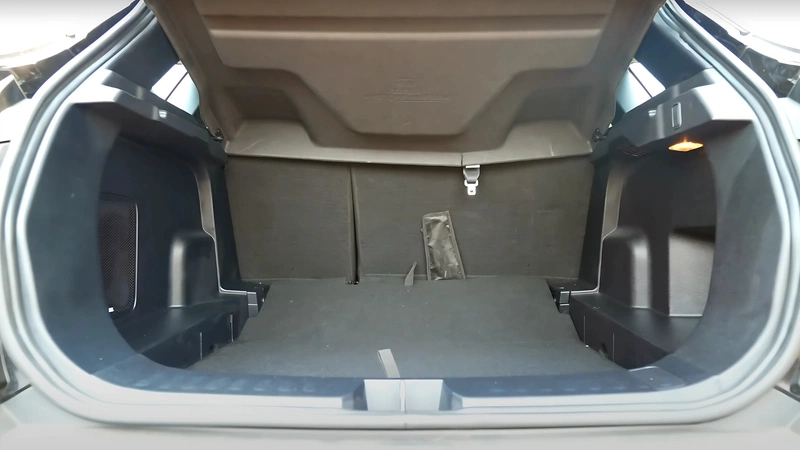
Rear seats are comfortable, come with Type-C ports, Isofix, and AC vents. Thigh support and knee room are ample for anyone under 6 feet; taller passengers may need slight adjustments. The boot is humongous even without split seats, capable of accommodating up to six to eight large suitcases, as the spare tyre is located underneath. However, the lack of a parcel shelf is a disappointing omission.
exterior
exterior
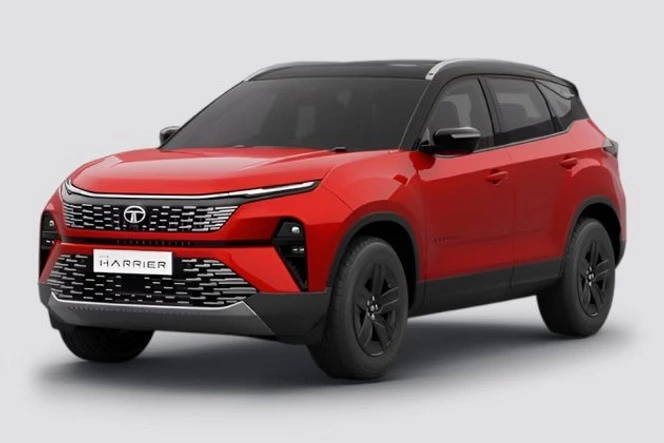
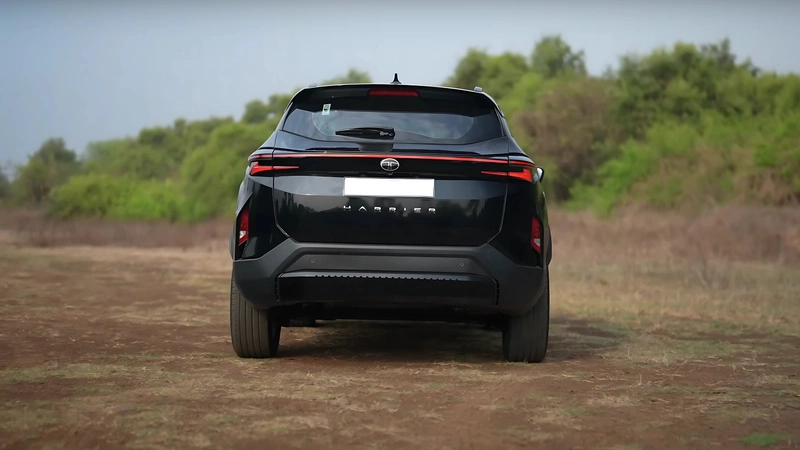
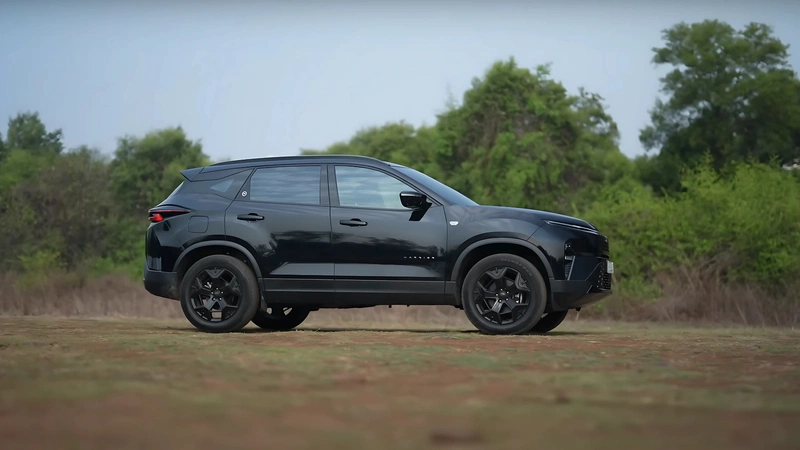
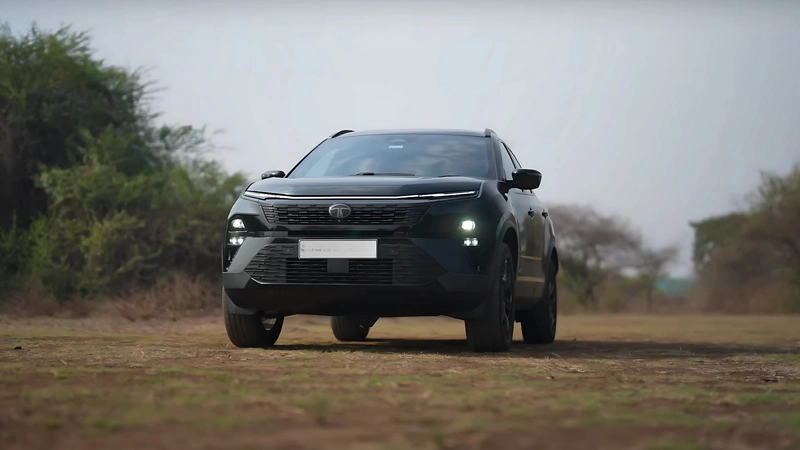
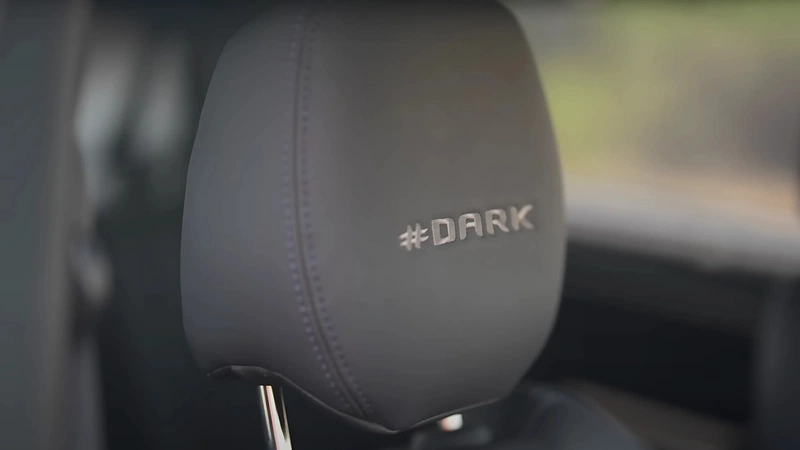
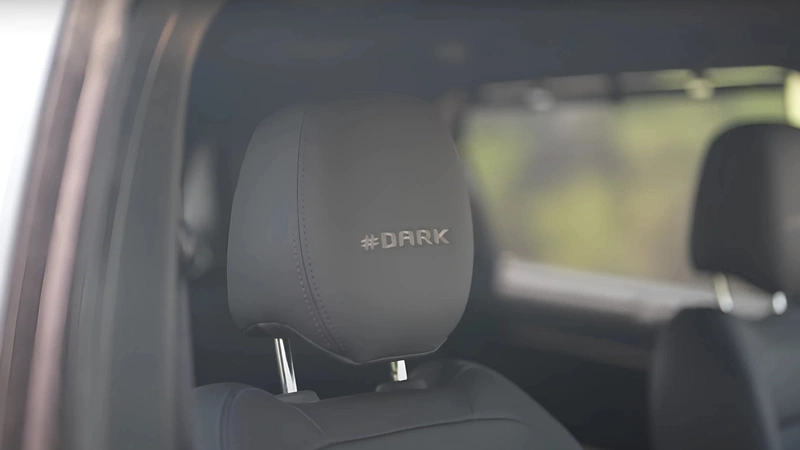
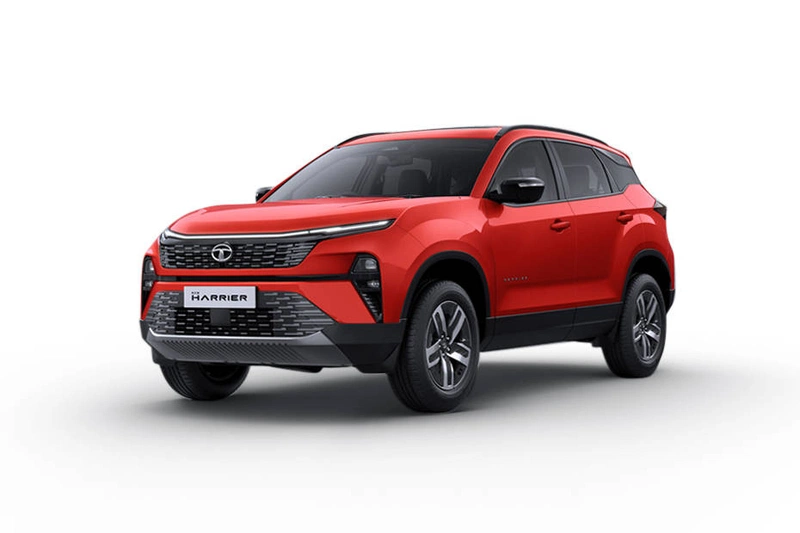
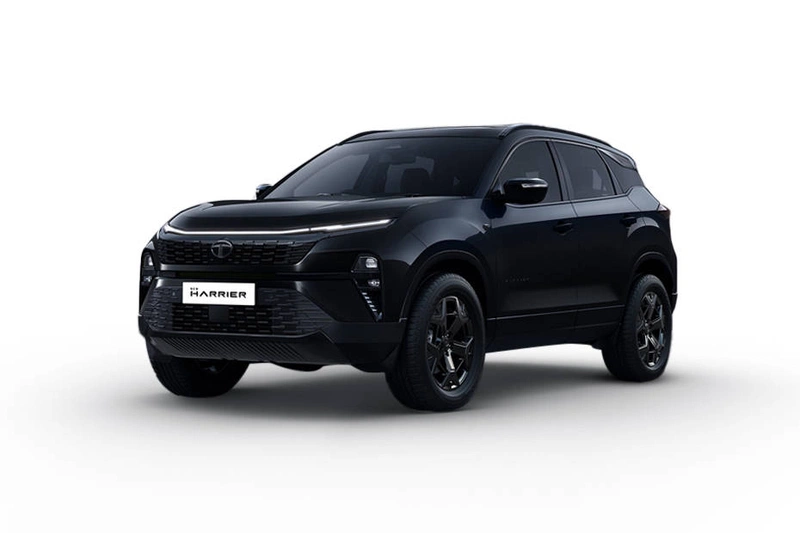
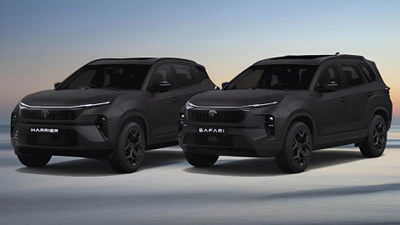
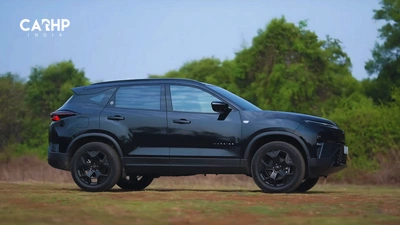
Smooth, Evoque-like, and indomitable—the Harrier turns heads at red lights and when parked around Murthal, our usual lunch stop. The Dark Edition looks even more menacing. You can clearly see the Harrier’s Land Rover roots from the rear three-fourths view; from every angle, the Harrier looks stunning.
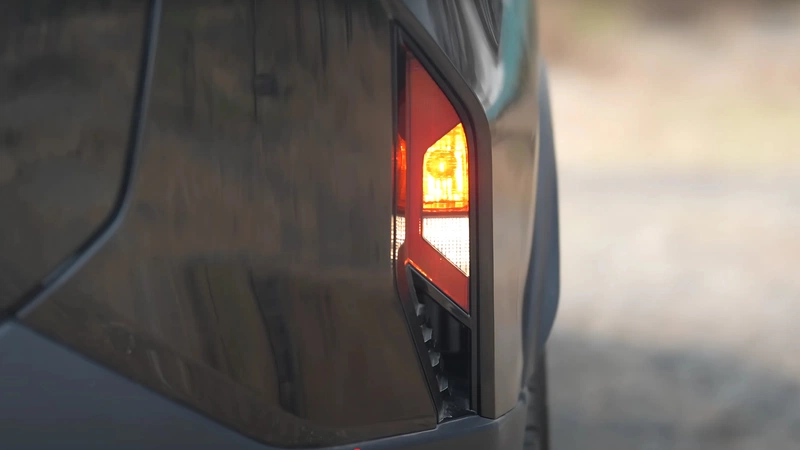
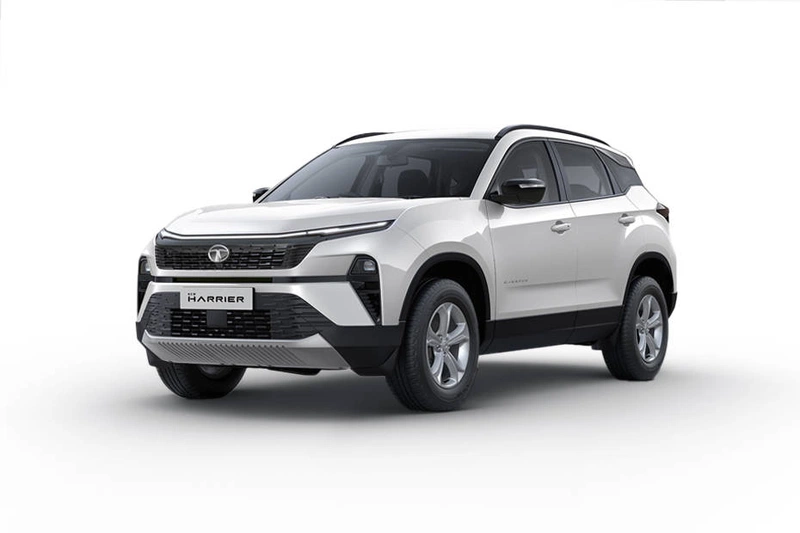
Its design is also a major reason why many including the owner of our Whit example, prefer it over the Hector and XUV700. The Pure Plus variant features LED lights all around and a connected light strip at the back. The 17-inch wheels look okay but do not fully fill the gaping wheel arches like the 19-inch ones on the top trims. Tata’s paint options are limited on the lower trims, typically available in white and grey; our unit was white with black interiors.
safety
safety
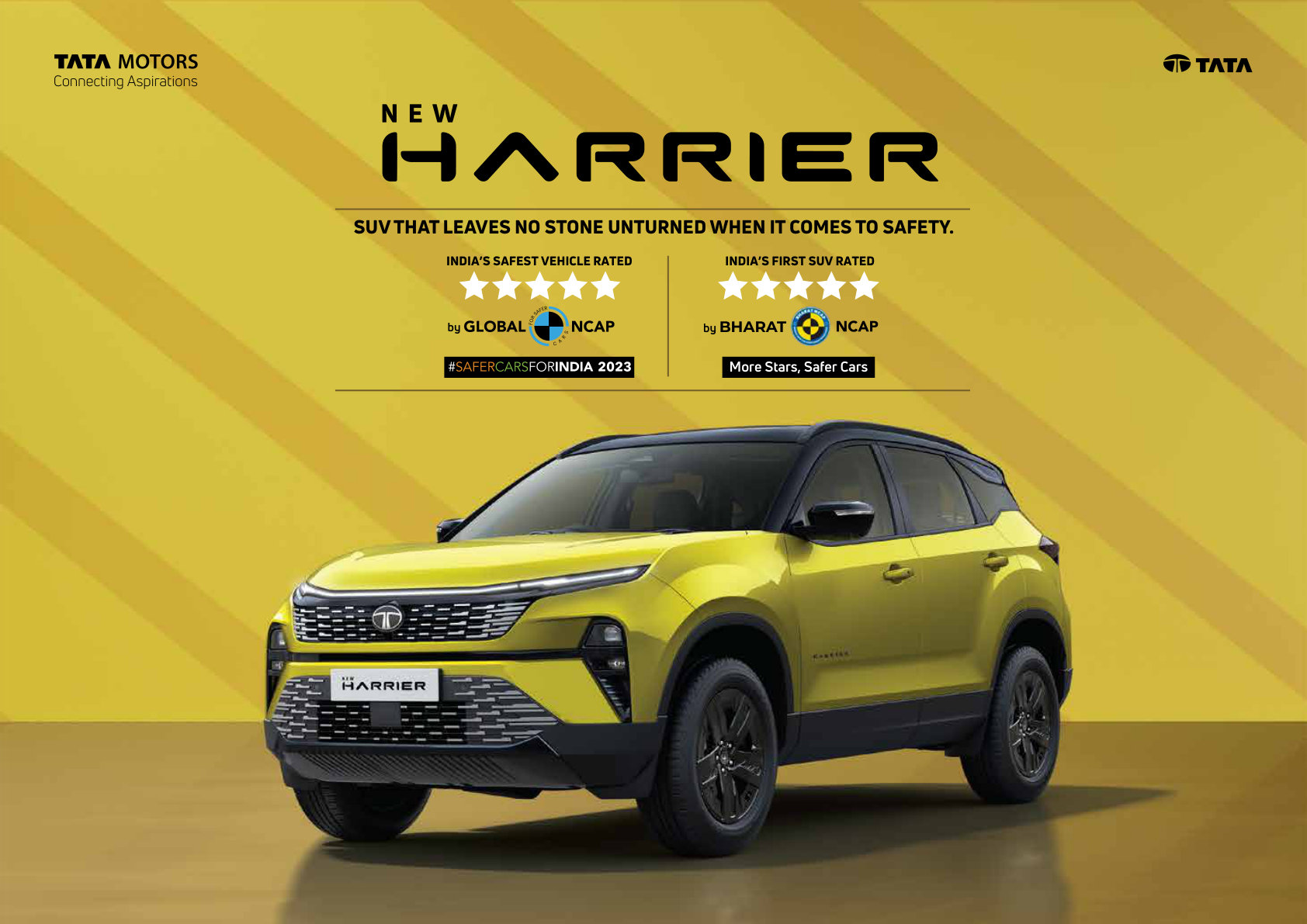
Safety is a priority with the Harrier, which boasts a 5-star rating from Bharat NCAP. Standard safety features include six airbags, ABS, and ESC. The top trims (Fearless) add a seventh airbag, ADAS Level 2, and an emergency call feature.
competition
competition
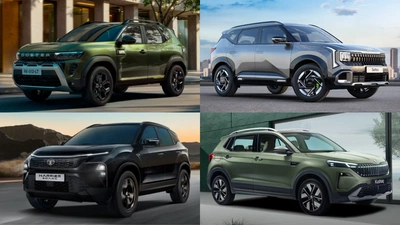
Tata Harrier in a league of its own. But if you are looking for alternatives check out the Mahindra XUV 700 and MG Hector. You can also consider the Tata Safari which cost only 50K more but comes with a lot more space and practicality
final verdict
final verdict
The Tata Harrier is an exceptionally powerful SUV with stylish design and immense road presence. Tata’s simplified single-diesel engine lineup makes the Harrier best suited for long-haul journeys, offering top-tier comfort, safety, power, and space.
Tata Harrier News
Tata Harrier FAQs
Does Tata Hyperion 1.5 TGDi comes in manual?
−Yes the 1.5 Hyperion TGDi is available in manual but only with Harrier and Safari
How Much Power Does Tata Hyperion 1.5 TGDi Makes In Harrier?
+The Harrier with 1.5 TGDi makes 170 hp and 280 nm. A 10 hp and 25nm boost over idnetically equipped Sierra
Is the Tata Harrier available in petrol, CNG, electric or diesel engines?
+The Harrier is currently available with Petrol and Diesel engines.
What are the key safety features in the Harrier ?
+The Harrier comes equipped with several safety features including Anti-lock Braking System (ABS), Central Locking, Electronic Brakeforce Distribution (EBD), Electronic Stability Control (ESC) and Hill Assist.
What are the boot space and dimensions of the Tata Harrier?
+The Harrier offers 445 Litres of boot space. Its dimensions are 4605 mm in length, 1922 mm in width, and it has a wheelbase of 2741 mm.
What colours does the Tata Harrier come in?
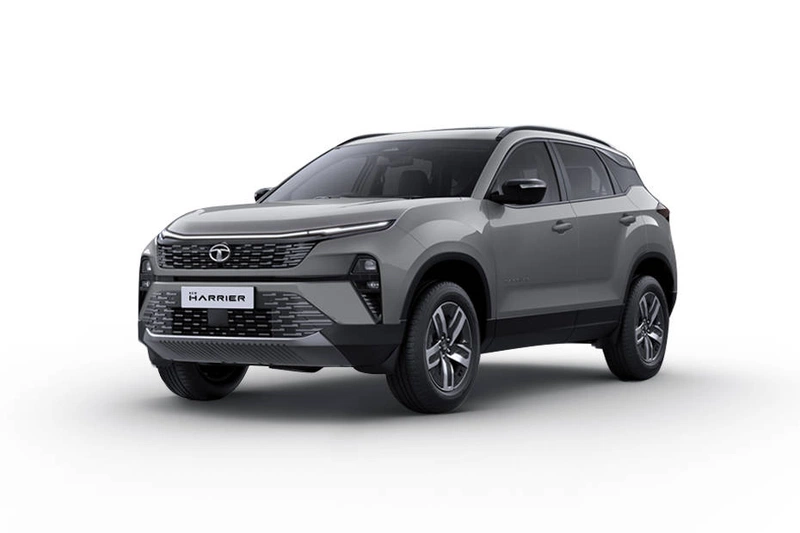
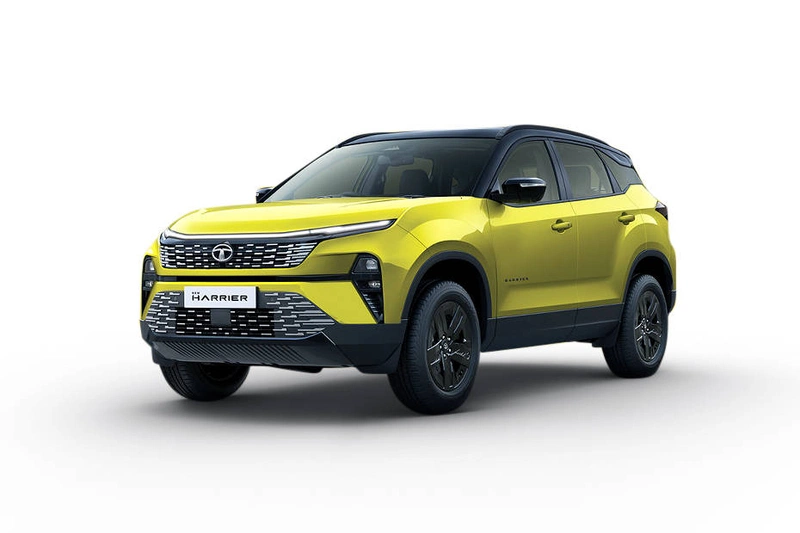
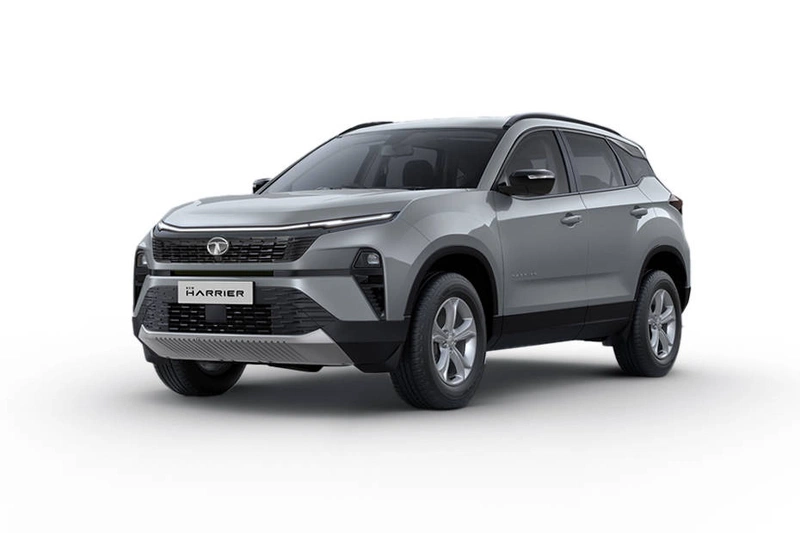
+The Tata Harrier is available in the following colours: Pebble Gray, Lunar White, Seaweed Green, Sunlit Yellow With Black Roof, Sunlit Yellow, Ash Gray, Coral Red, Black and Oberon Black.