

EMI Loading
Mahindra Scorpio N Key Specifications
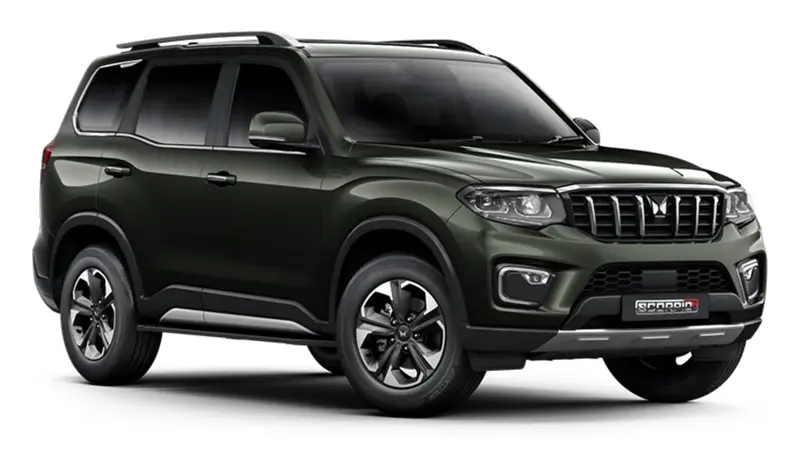
Mahindra Scorpio N Overview

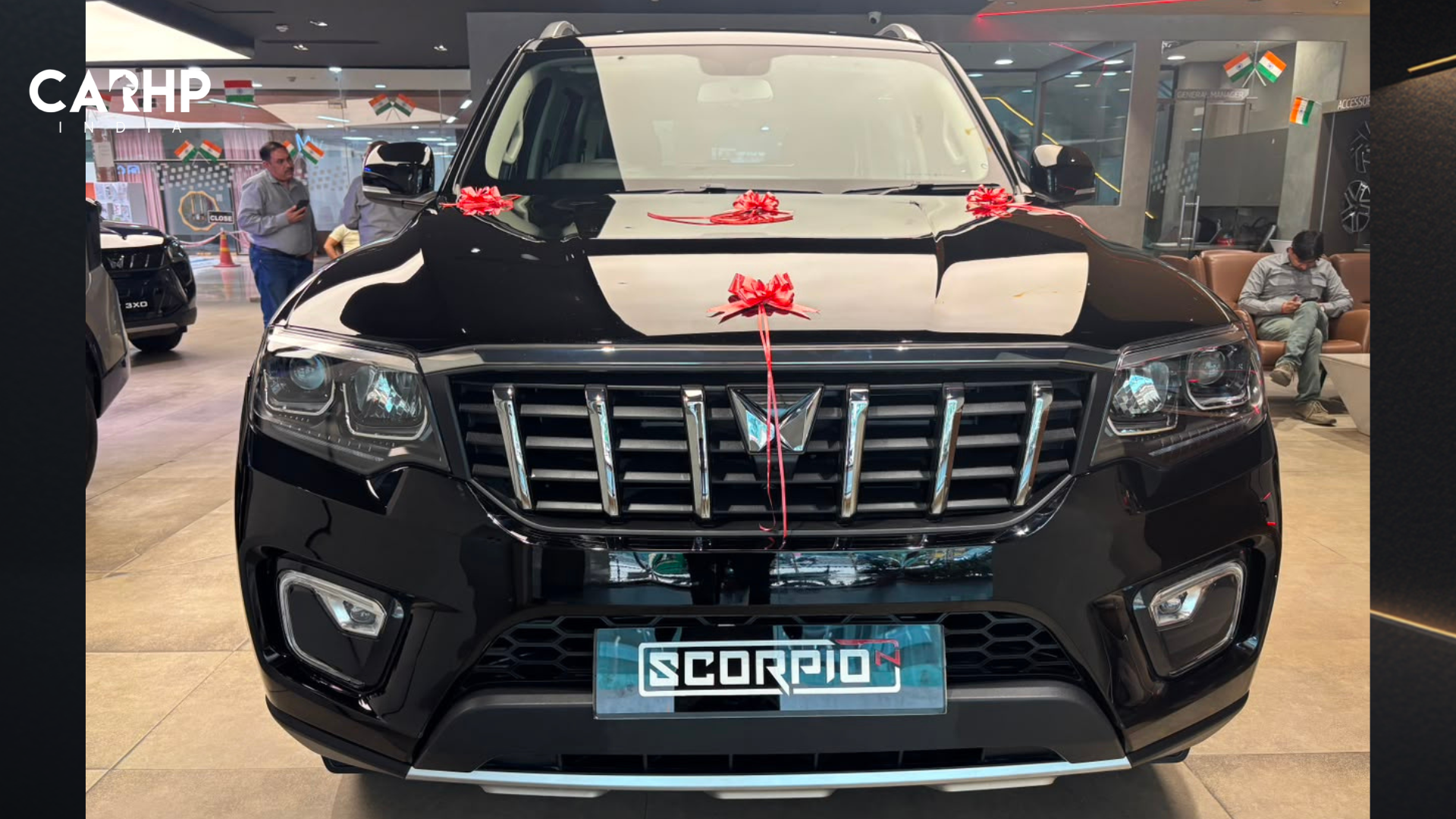
Mahindra's Scorpio N has been on sale since 2022, and this facelift, its first, keeps the exterior largely intact while focusing the upgrades where the original left buyers wanting more, the cabin and tech.
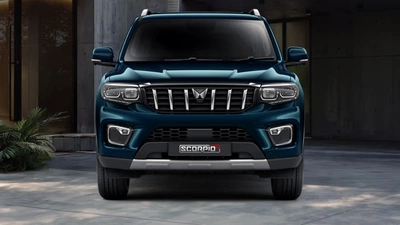
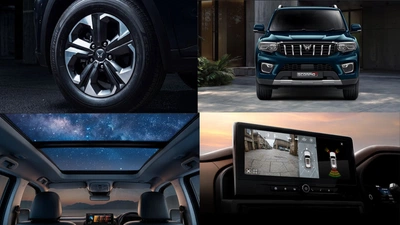
Up front, the silhouette, the chunky grille, and the twin-barrel LED headlamps are all carried over. The only notable exterior change is a revised set of 18-inch alloy wheels on the higher variants.
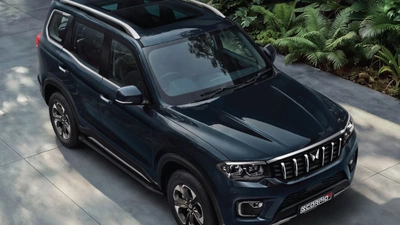
Inside, a new 12.3-inch floating touchscreen replaces the older 8-inch unit, and a 10.25-inch fully digital instrument cluster finally arrives. The old single-pane sunroof has been swapped out for a panoramic unit on top-spec variants.
The 2.0-litre turbo petrol and 2.2-litre diesel engines are unchanged, paired with six-speed manual and automatic gearboxes, with 4WD available on diesel variants.
On the safety side, it comes with a 540-degree surround view system with blind view monitor, alongside the existing Level 2 ADAS suite. Six airbags, ESC, and a 5-star Global NCAP rating round things off.
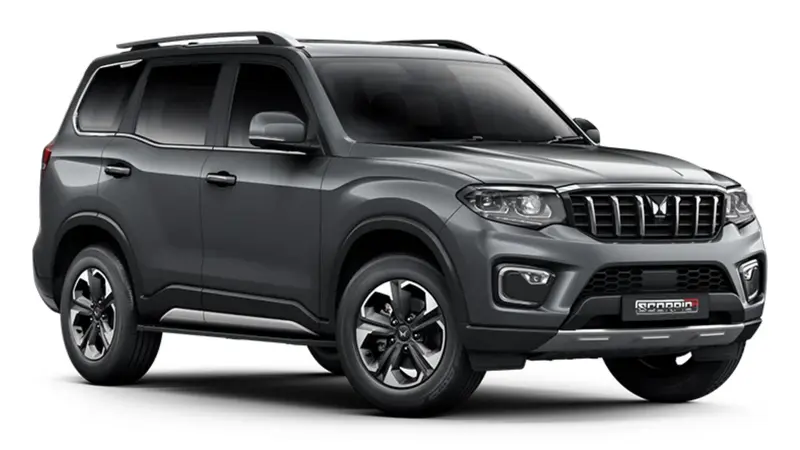
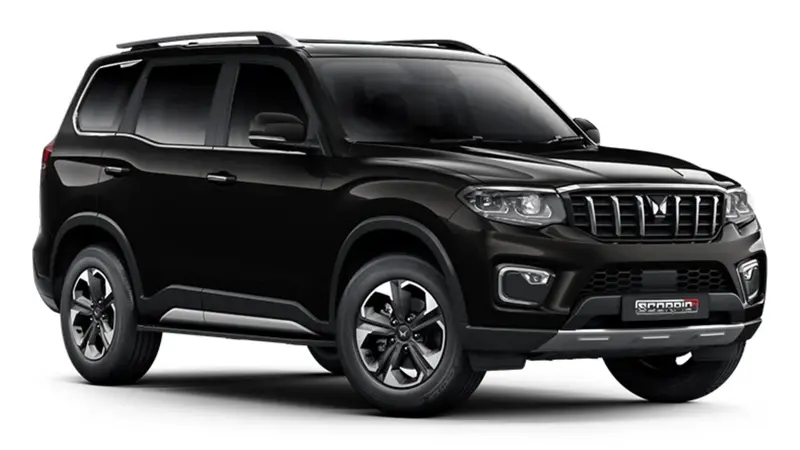
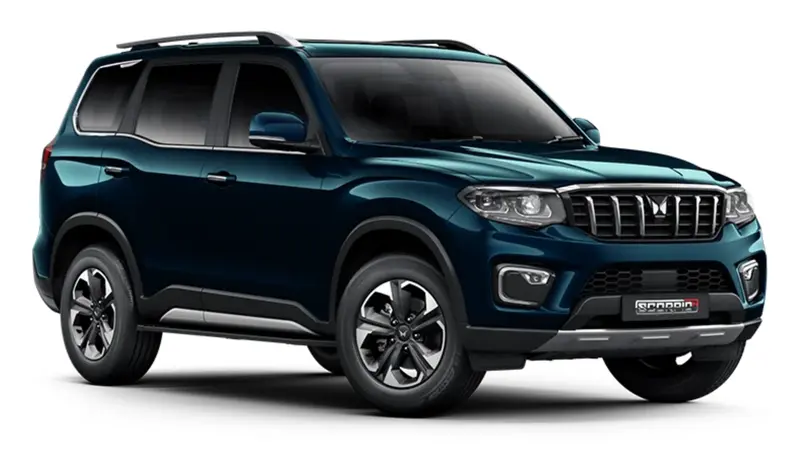
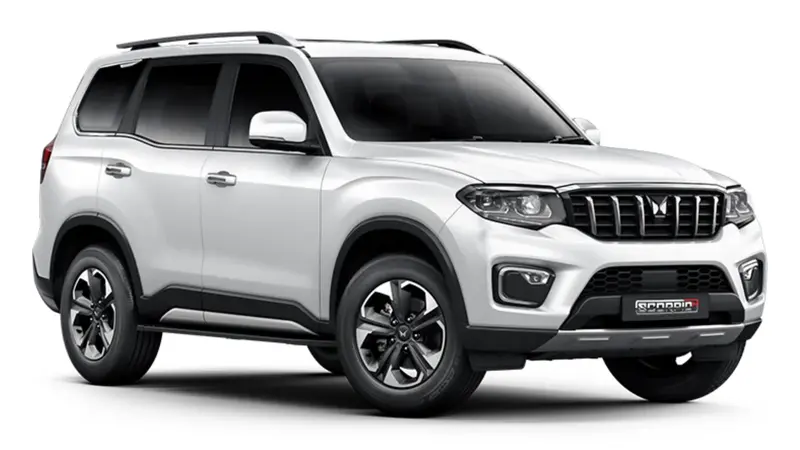
Five colours are on offer, including Deep Forest, Everest White, Galaxy Grey, Oceanic, and Stealth Black.
Engine and Performance
Engine and Performance
The Scorpio N carries forward two engine options. The petrol is a 2.0-litre turbocharged unit, mStallion, producing 200 PS and up to 380 Nm of torque. The diesel is a 2.2-litre mHawk common rail unit, available in two states of tune, 130 PS/300 Nm on the base diesel, and 175 PS/400 Nm on higher variants.
Both engines are paired with a 6-speed manual or 6-speed torque-converter automatic. Also four-wheel drive, with 4-High and 4-Low settings, is available only with the higher-output diesel.
fuel economy
fuel economy
ARAI-certified mileage figures for the Scorpio N facelift are 12.17 kmpl for the petrol manual, 12.12 kmpl for the petrol automatic, 15.94 kmpl for the diesel manual in lower variants, and 15.42 kmpl for the diesel manual in mid to top variants.
The diesel automatic returns 15.42 kmpl across the board. The lower-output base diesel manual, Z2 and Z4, returns the best figure in the range at 15.94 kmpl.
interior
interior
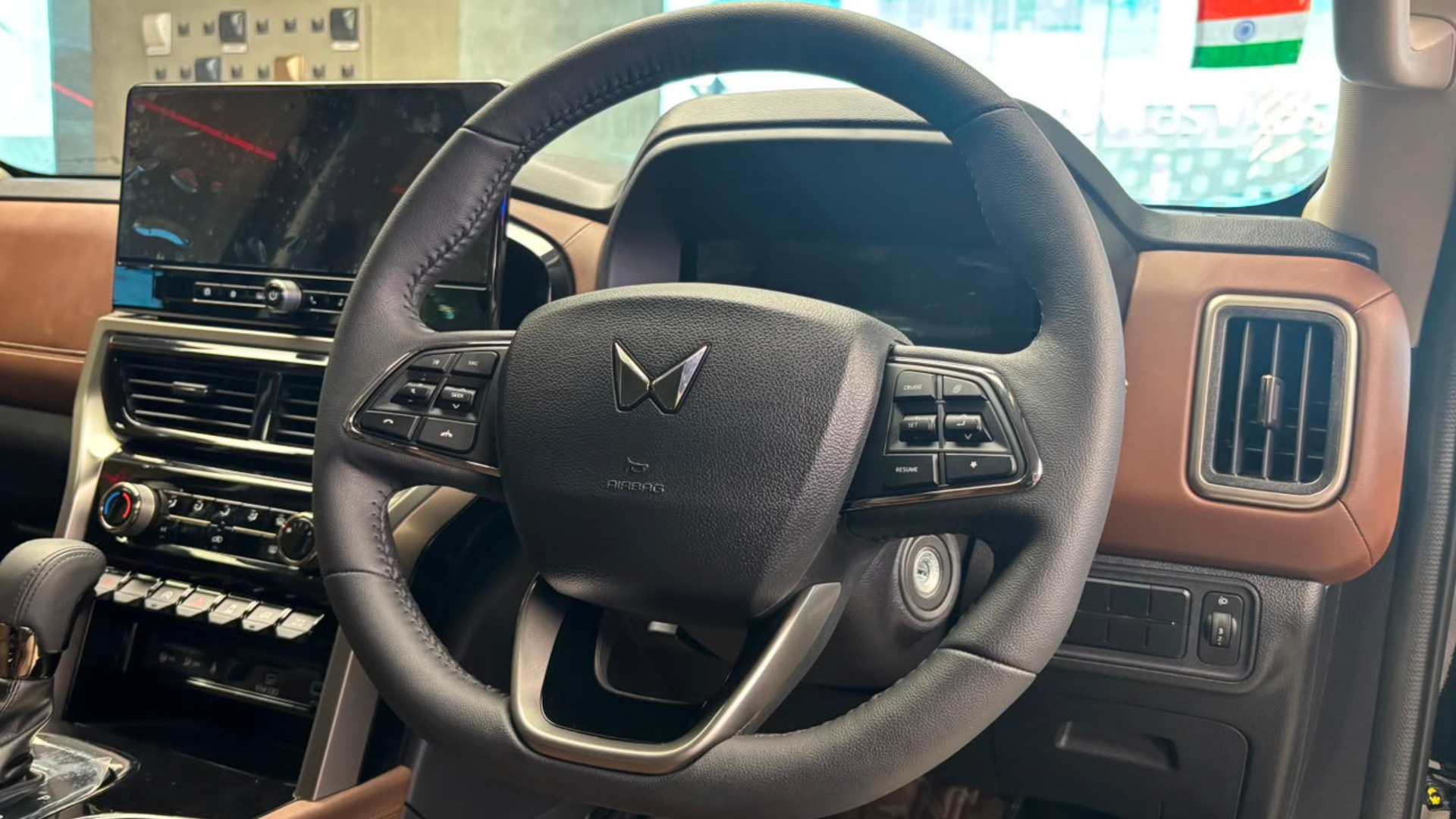
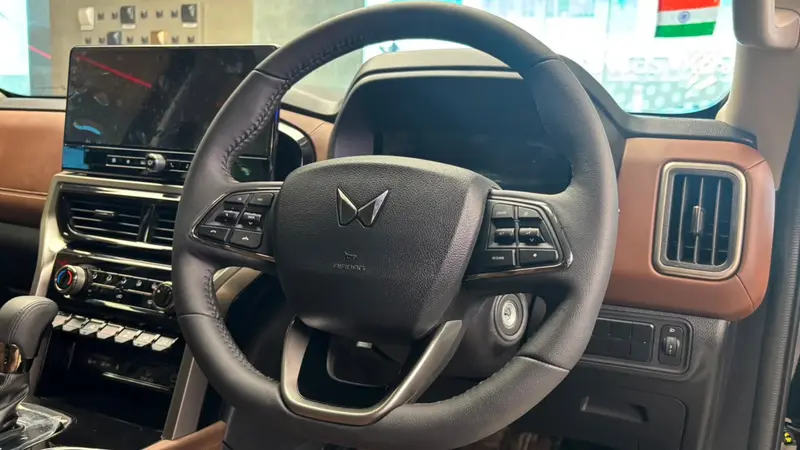
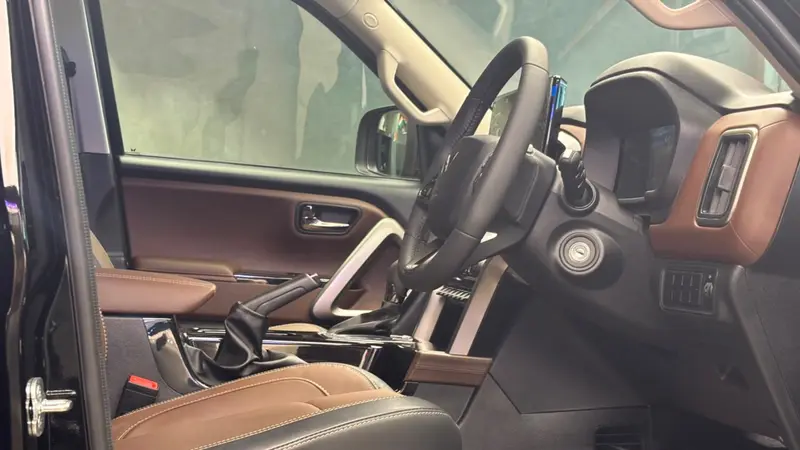
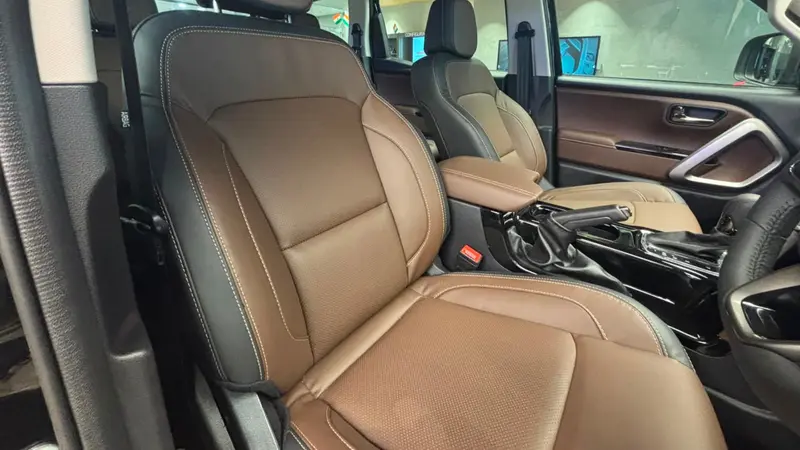
The dashboard layout is tall and upright, retaining its familiar dual-tone mocha brown and black leatherette theme.
The central section has been redesigned, where the horizontal AC vents now sit below the new 12.3-inch floating touchscreen, replacing the older vertical vents and the smaller 8-inch screen. Physical rotary knobs for the climate controls have been retained, which is a relief.
Behind the steering wheel, the new 10.25-inch fully digital instrument cluster replaces the previous semi-digital unit, bringing the Scorpio N in line with Mahindra's newer offerings like the Thar Roxx.
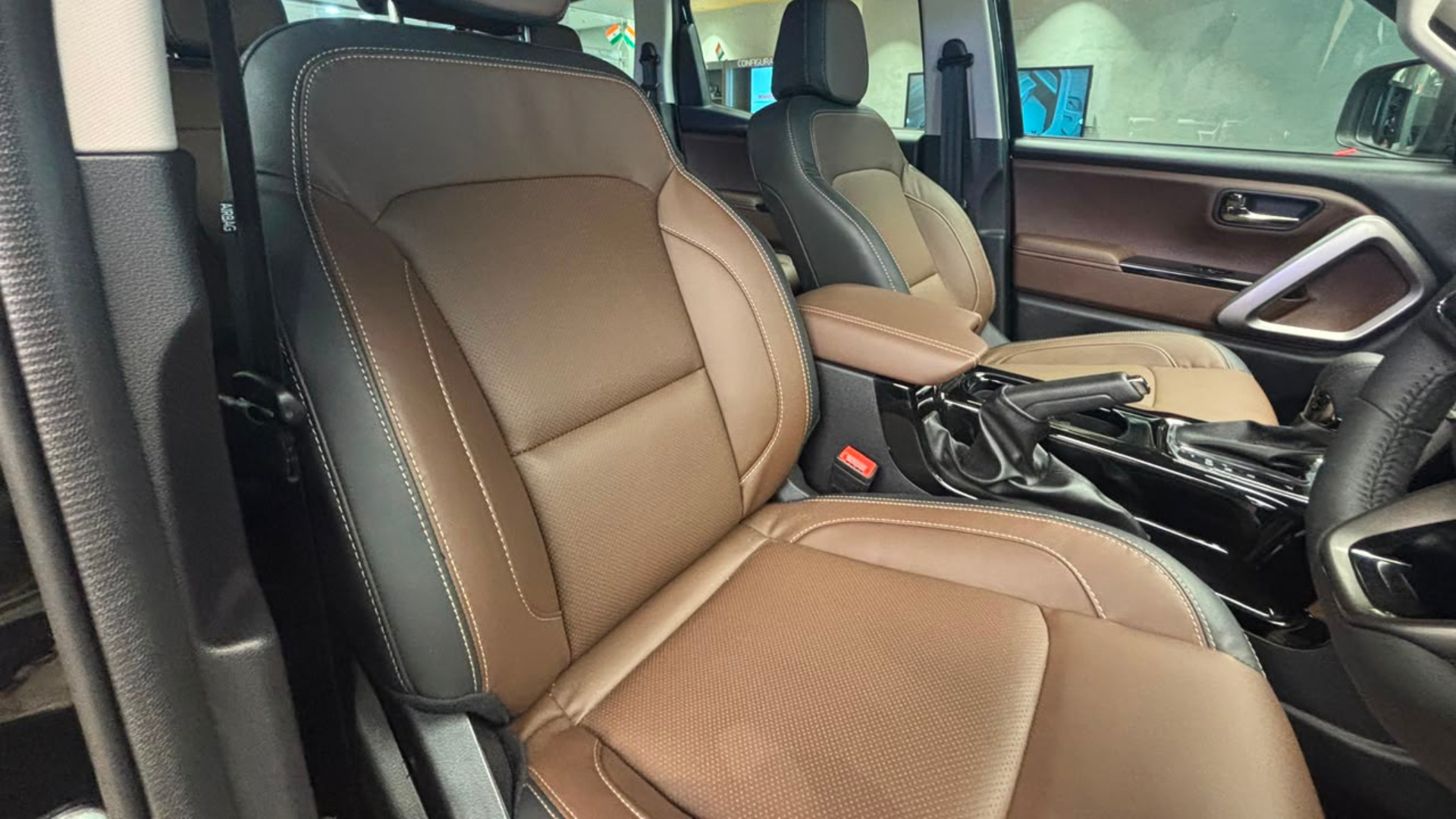
The 12-speaker Sony sound system, wireless charger with active cooling, dual-zone automatic climate control, ventilated front seats, the 6-way power-adjustable driver's seat, remote engine start via the Adrenox Connect app, and built-in Alexa voice control all carry over.
The driver's seat continues to offer the highest seating position in its segment, which gives excellent road visibility.
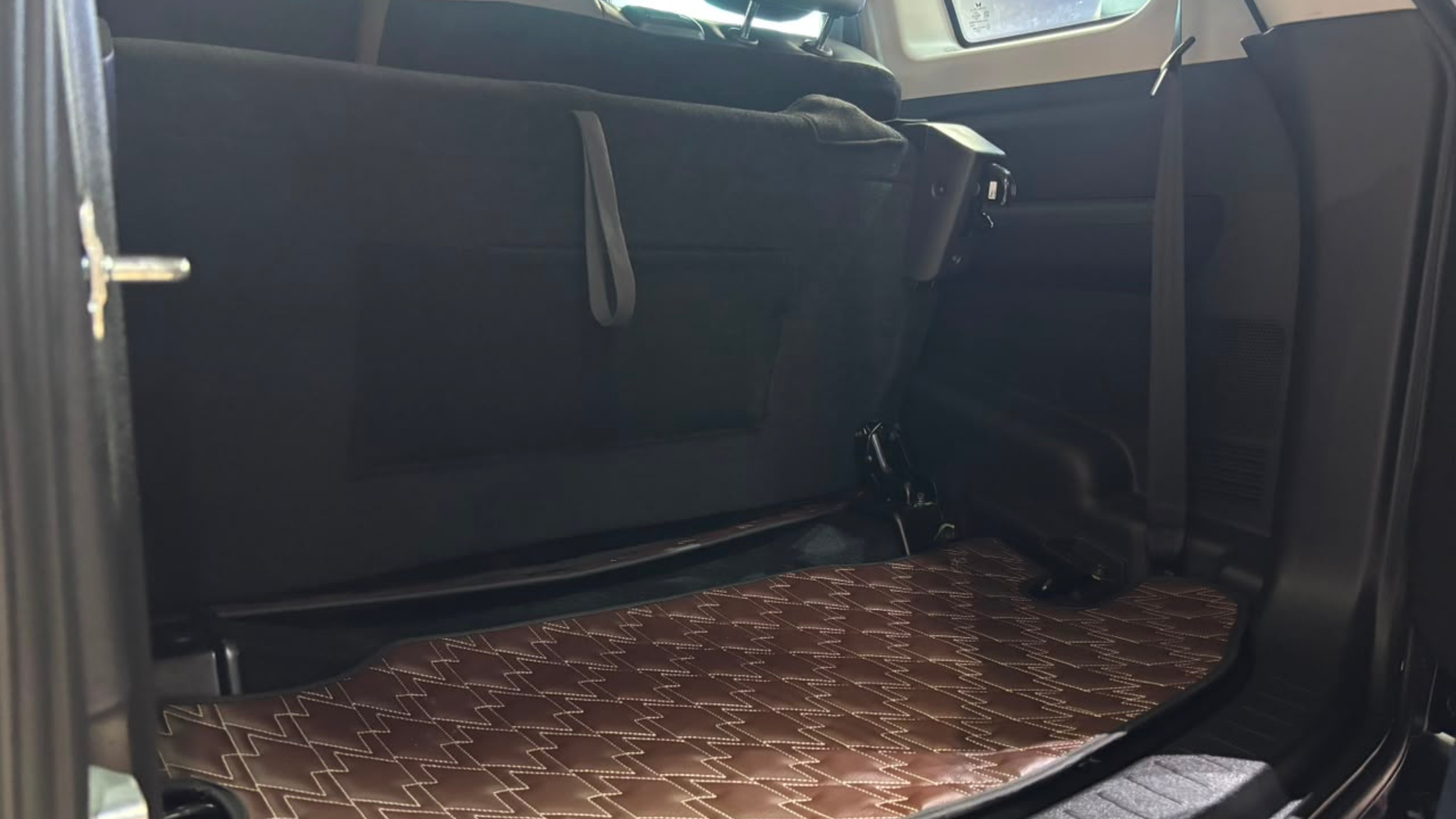
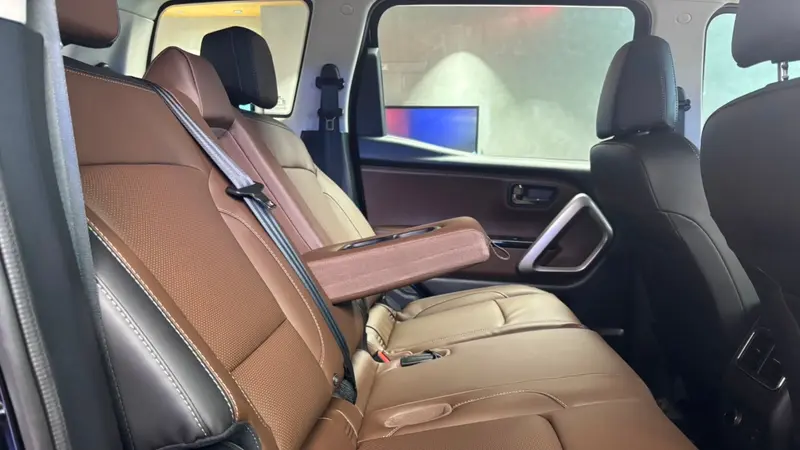
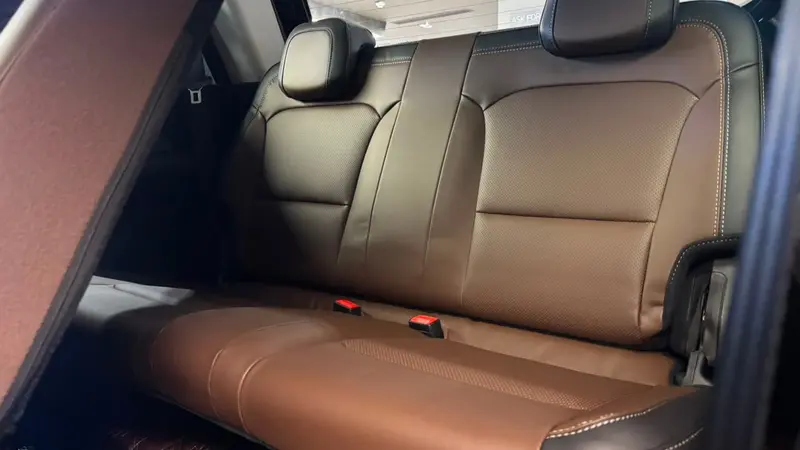
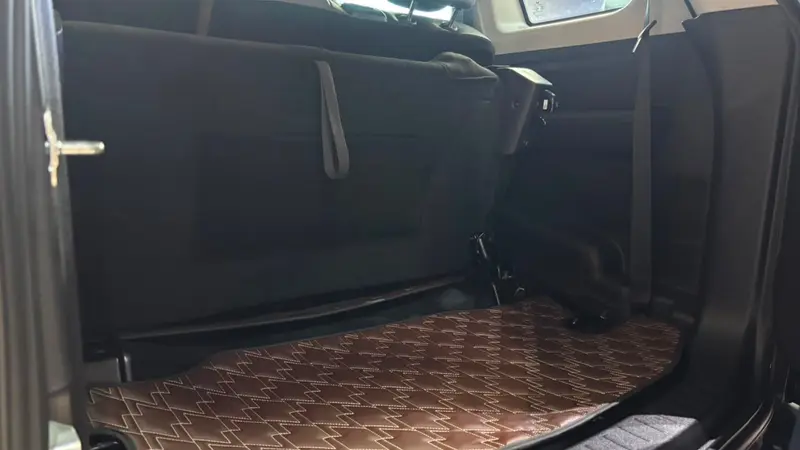
The Scorpio N is available in both 6-seater with captain seats and 7-seater configurations. Lastly, boot space with the third row folded measures 786 litres.
exterior
exterior
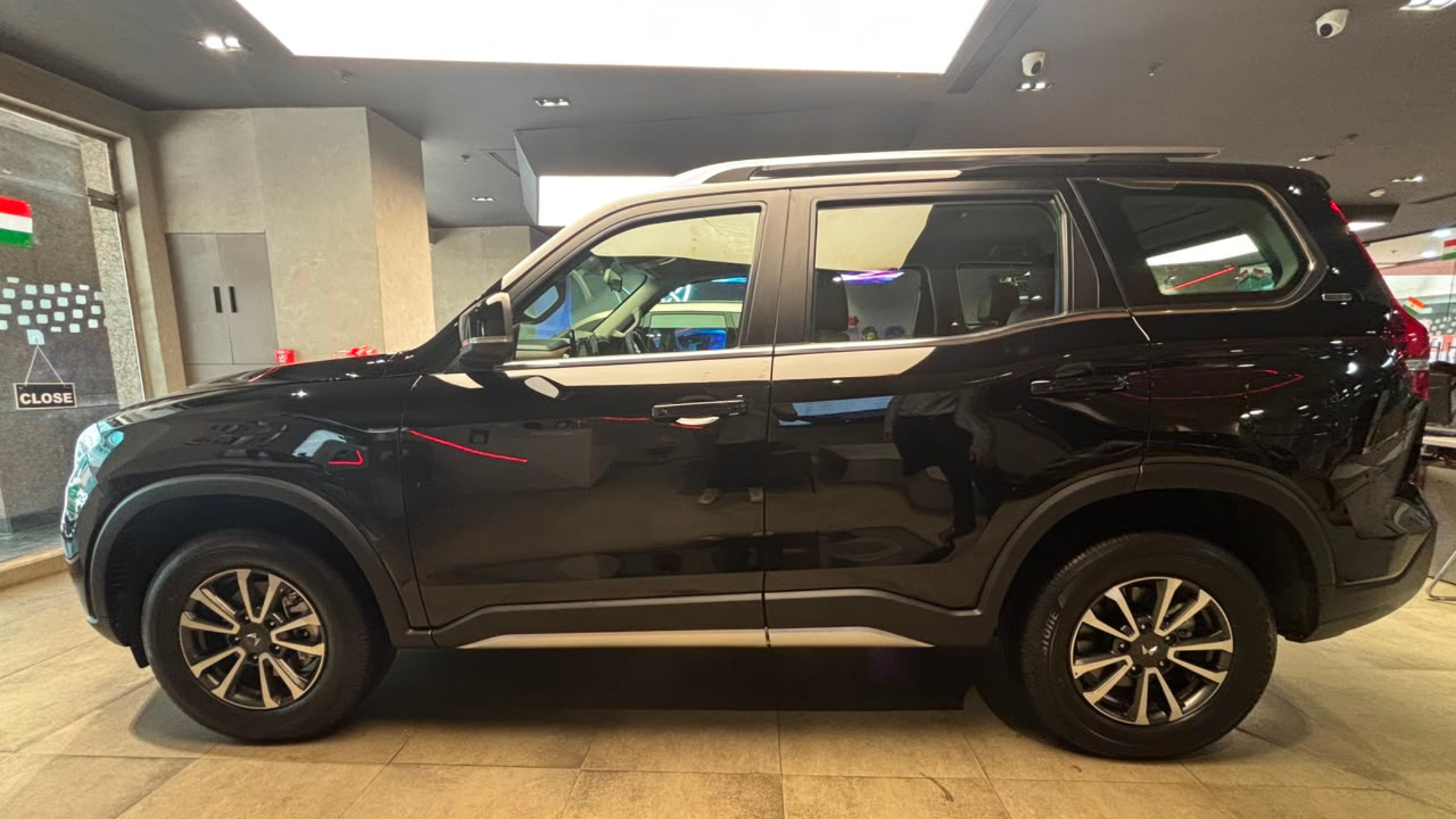
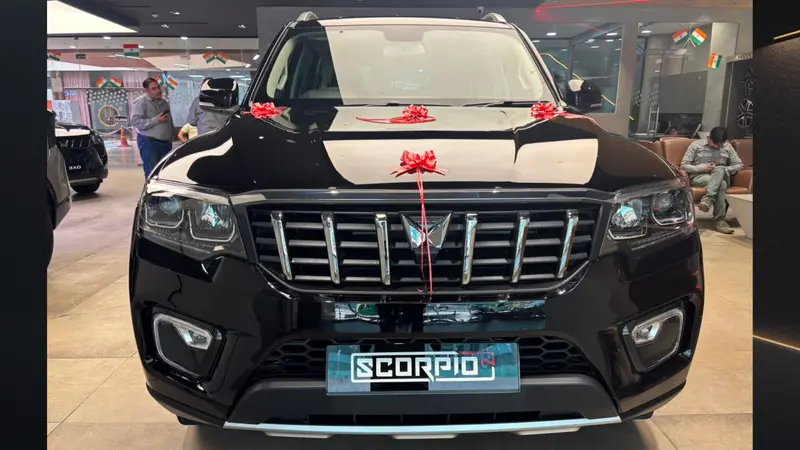
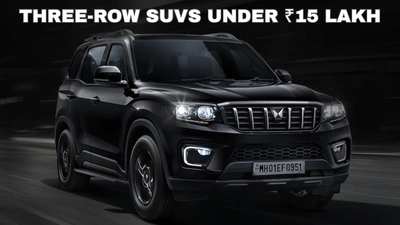
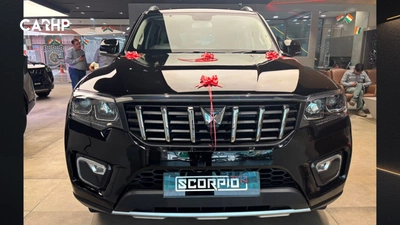
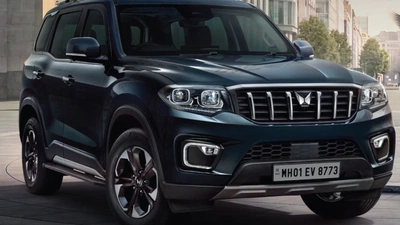
The Scorpio N's exterior sees minimal changes with this update, which isn't entirely a bad thing. The front is dominated by a bold, wide grille finished in chrome, flanked by the signature twin-barrel LED headlamp units with LED projectors and sting-like LED DRLs framing the fog lamps. Sequential LED turn indicators sit on the ORVMs.
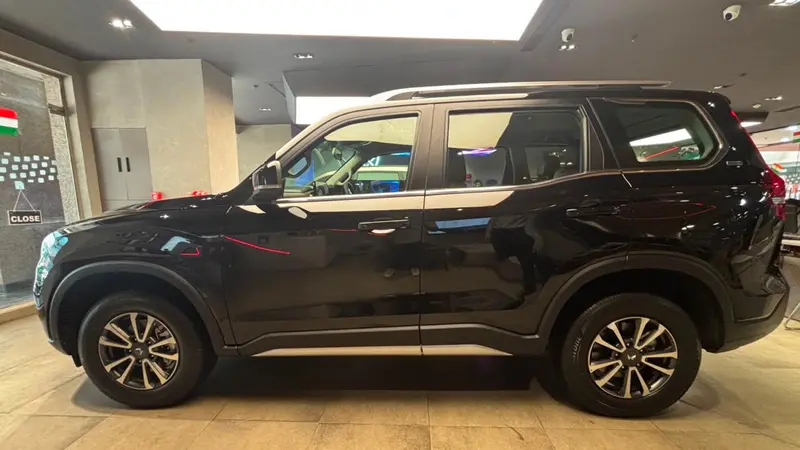
Along the sides, the SUV retains its familiar high shoulder line, large glass area, and roof-mounted spoiler. Body cladding is present but not overdone, letting the sheer size and height of the SUV do the talking.
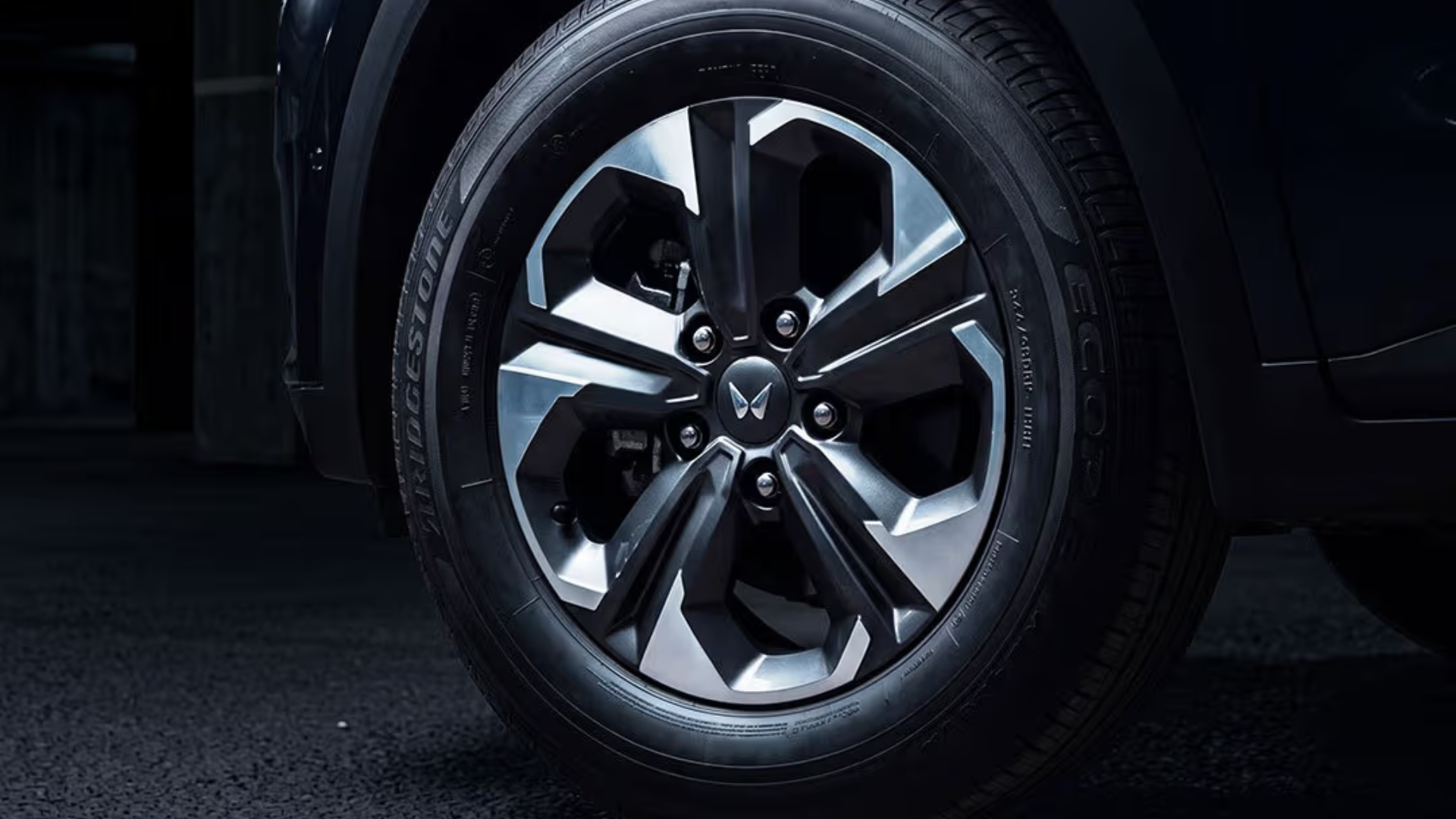
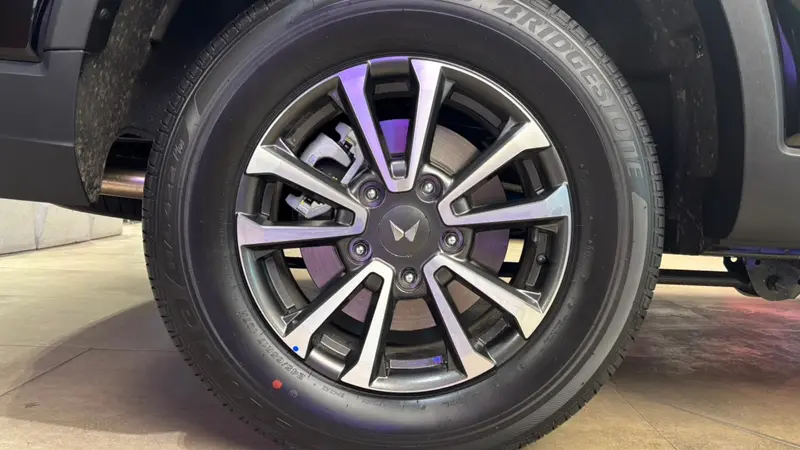
The biggest exterior update, and the only real visible one, is the new 18-inch 5-spoke alloy wheels on higher variants, which look noticeably more premium than before.
Lower variants continue with 17-inch diamond-cut alloy wheels or steel wheels depending on the variant.
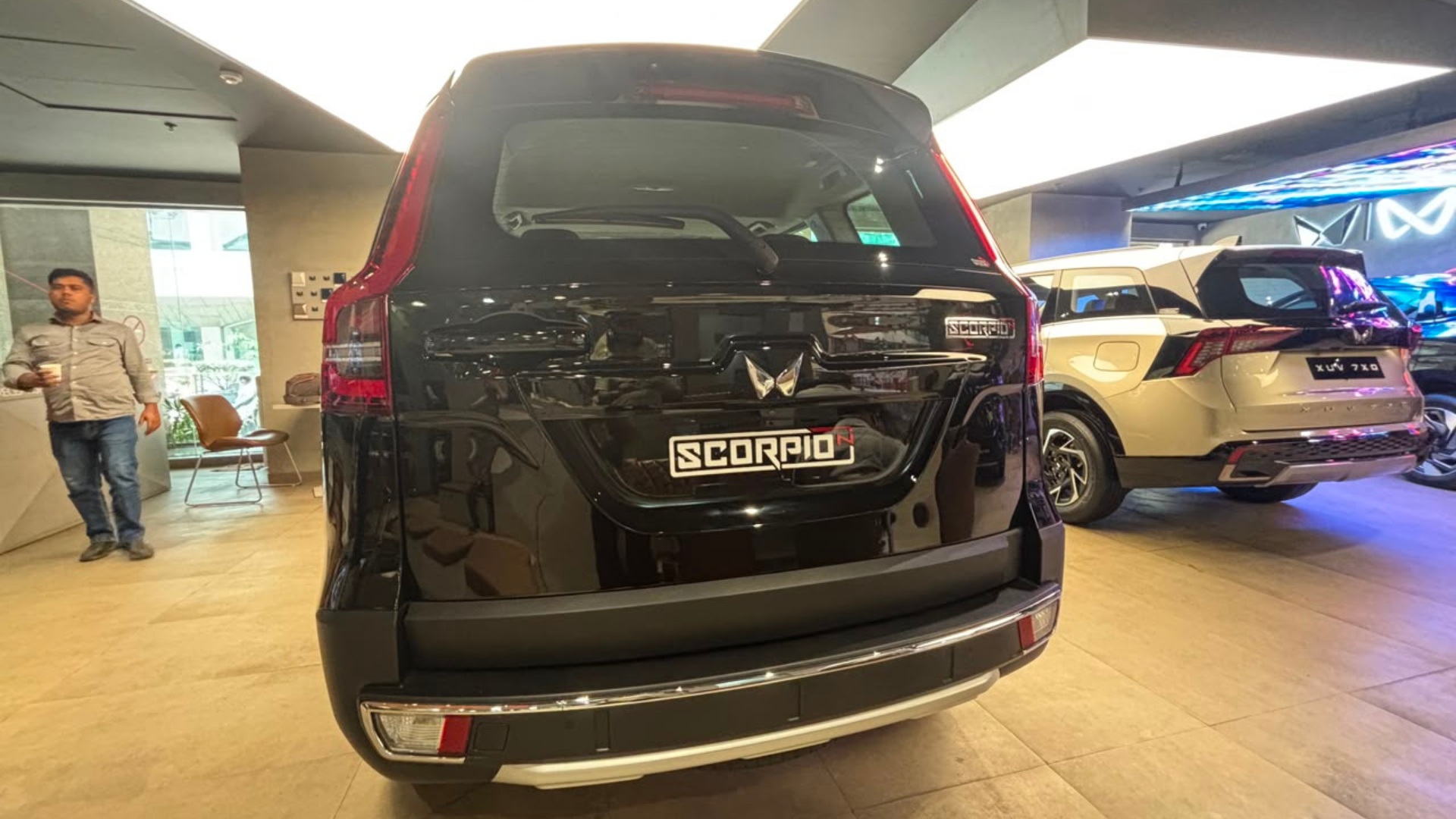
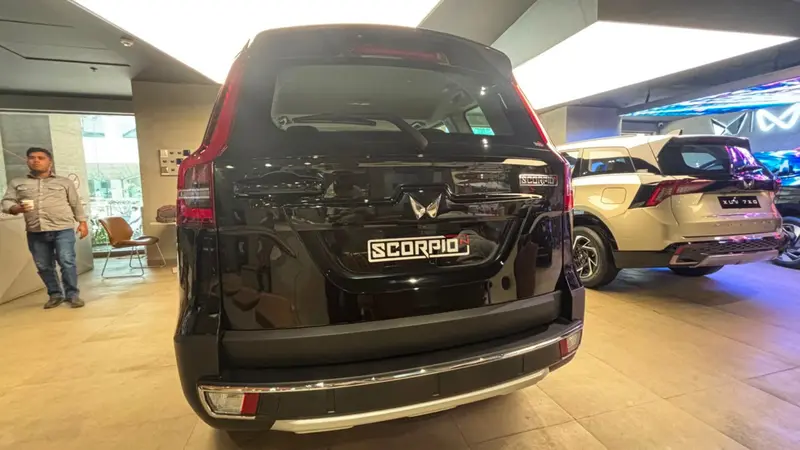
At the rear, the Volvo-inspired stacked LED taillamps are unchanged, so are the shark-fin antenna and rear spoiler. There are also no changes to the rear bumper or body panels.
safety
safety
The Scorpio N carries a 5-star Global NCAP rating from its 2022 crash tests, which applies to this facelift. Standard safety equipment includes ABS with EBD, Electronic Stability Control with 18 sub-functions, hill hold, hill descent control, TPMS, all-round disc brakes, and ISOFIX/i-SIZE child seat mounts.
Front airbags come as standard, while side and curtain airbags are added from the Z8S variant onwards, taking the total to six. A meaningful addition with this update is the 540-degree surround-view camera system with a blind view monitor, available on higher trims.
Also, the Level 2 ADAS suite, introduced in a 2025 update, continues.
competition
competition
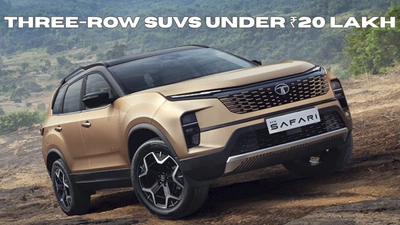
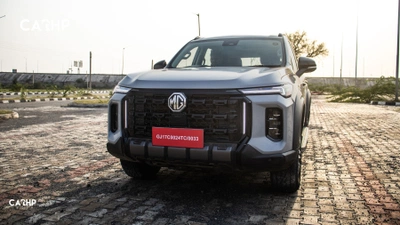
The Scorpio N facelift closely competes with the Tata Safari, Hyundai Alcazar, and MG Hector Plus in its segment and price bracket.
The Safari is the Scorpio N's most direct rival. Monocoque construction versus body-on-frame is the fundamental divide here. The Safari has a noticeably more premium cabin, better third-row comfort for adults, and a larger 528-litre boot. The Scorpio N counters with higher ground clearance, 4WD availability on diesel variants, a more powerful engine lineup, and the new panoramic sunroof closing one of its earlier gaps against the Safari.
The Alcazar sits in a similar price bracket and now offers a more contemporary, feature-rich interior. It holds an edge in ride quality and cabin refinement. The Scorpio N, though, offers more engine muscle, proper 4WD capability, and a stronger road presence that the Alcazar simply cannot match.
The Hector Plus brings a large 14-inch touchscreen and a notably spacious second and third row to the fight. Interior space per rupee is a genuine Hector Plus advantage. The Scorpio N answers with a more powerful powertrain, 4WD availability, stronger off-road capability, and a 5-star NCAP rating versus the Hector Plus's untested status.
Mahindra Scorpio N News
Mahindra Scorpio N FAQs
What is the mileage of the Mahindra Scorpio N?
−The ARAI-certified mileage figures are 12.17 kmpl for the petrol manual and 12.12 kmpl for the petrol automatic. The diesel manual returns up to 15.94 kmpl on lower variants and 15.42 kmpl on higher ones. The diesel automatic returns 15.42 kmpl.
Does the Mahindra Scorpio N have a petrol engine option?
+Yes. The Scorpio N is available with a 2.0-litre turbocharged direct-injection petrol engine producing 200 PS and up to 380 Nm of torque. It can be paired with either a 6-speed manual or a 6-speed torque-converter automatic gearbox.
Is the Mahindra Scorpio N available with 4WD, and does the petrol get it too?
+4WD is available on the Scorpio N, but only with the higher-output 2.2-litre diesel engine. The petrol variants are rear-wheel drive only. The 4WD system on diesel variants includes dedicated 4-High and 4-Low modes, along with the 4XPLOR intelligent terrain system with selectable modes for mud, sand, snow, and normal conditions.
What are the seating configurations available in the Mahindra Scorpio N?
+The Scorpio N is available in both 6-seater and 7-seater configurations. The 6-seater version uses captain seats in the second row, while the 7-seater has a bench seat. Both configurations are offered on the top-spec Z8L variant. The third row is better suited for children or occasional short trips for adults.
What is the boot space of the Mahindra Scorpio N?
+With the third row folded flat, the Scorpio N offers 786 litres of boot space. With all three rows up, boot space is limited, as is typical for a 7-seater SUV in this class.
How many airbags does the Mahindra Scorpio N have, and does it get ADAS?
+The Scorpio N comes with a minimum of 2 airbags on base variants, going up to 6 airbags from the Z8S variant upwards. On the safety technology front, the Scorpio N also gets a Level 2 ADAS suite.
What is the Mahindra Scorpio N's safety rating?
+The Mahindra Scorpio N was awarded a 5-star rating by Global NCAP in 2022. This rating applies to the current facelift as well, since no structural changes have been made to the vehicle.
What are the major new features added in the Mahindra Scorpio N facelift?
+The facelift brings a panoramic sunroof on higher variants, replacing the older single-pane unit. Other additions include a new 12.3-inch floating-style touchscreen infotainment system, a 10.25-inch fully digital instrument cluster, and a 540-degree surround view camera system with blind view monitor. A 65W USB Type-C fast charging port has also been added to the front row.
Does the Mahindra Scorpio N have a sunroof?
+Yes. With the facelift, the Scorpio N now gets a panoramic sunroof on top-spec variants, which is a significant upgrade over the single-pane electric sunroof offered on the previous model. Lower variants continue with the single-pane unit.
What is the wheelbase and overall size of the Mahindra Scorpio N?
+The Scorpio N measures 4,662 mm in length, 1,917 mm in width, and 1,857 mm in height, with a wheelbase of 2,750 mm. It has a fuel tank capacity of 57 litres. These are measurements without the ski rack and antenna.