
Hyundai Kona Electric
Hyundai Kona Electric Key Specifications
Hyundai Kona Electric Overview

The 2025 Hyundai Kona Electric marks the arrival of its second generation, poised to redefine the compact electric SUV segment in India. This new iteration brings a fresh design philosophy, a more spacious interior, and significant advancements in its electric powertrain. While specific India launch details and final specifications for the 2025 model are anticipated, it is expected to build upon the success of its predecessor, offering a compelling package for urban Indian consumers.
The Kona Electric targets tech-savvy individuals and small families seeking an environmentally conscious daily driver that combines practicality with modern features. Its anticipated price range positions it as a premium electric offering. Key strengths include its improved range, distinctive styling, and a well-appointed cabin. A potential drawback could be the continued reliance on public charging infrastructure, a general challenge for EVs in India, and possibly limited rear-seat width for three adults on longer journeys.
Battery and Motor
Battery and Motor
The 2025 Hyundai Kona Electric is expected to offer a highly efficient and capable electric powertrain. Globally, the new generation Kona Electric offers two battery options, and for India, it is likely to feature the larger long-range battery pack. This battery is expected to be around 64.8 kWh (similar to the 2024 model's 64 kWh, with minor refinements for 2025), powering an electric motor that produces approximately 201 bhp (150 kW) and 255 Nm of instant torque.
This powertrain delivers brisk acceleration, making city commutes effortless and highway overtakes confident. The instant torque characteristic of electric vehicles provides a responsive driving experience from a standstill. In terms of range, the 2025 Kona Electric is anticipated to offer an ARAI-certified range exceeding 450 km, with real-world figures expected to be closer to 380-420 km depending on driving conditions and style. Charging times will vary; a 50 kW DC fast charger could replenish the battery from 10% to 80% in under an hour, while a standard 7.2 kW AC charger would take approximately 9-10 hours for a full charge. The single-pedal driving mode with adjustable regenerative braking further enhances efficiency and urban driving convenience.
Ride and Handling
The 2025 Hyundai Kona Electric is engineered to offer a balanced ride and handling experience, tailored for both urban environments and highway cruising. The suspension setup is expected to be tuned for Indian road conditions, effectively absorbing bumps and undulations to provide a comfortable ride for occupants. This tuning aims to minimize harshness over broken patches, a common challenge on Indian roads.
Maneuverability in city traffic is expected to be excellent due to its compact dimensions and light steering at low speeds. At higher speeds on highways, the Kona Electric is anticipated to exhibit good stability and composure, instilling confidence in the driver. The battery pack's low placement contributes to a low center of gravity, which aids in reducing body roll during cornering. Panic or emergency braking performance is expected to be strong, with linear and reassuring pedal feel. The combination of a well-calibrated suspension and precise steering ensures that the Kona Electric remains agile and easy to drive, making it suitable for diverse driving scenarios.
interior
interior
The interior of the 2025 Hyundai Kona Electric undergoes a substantial transformation, prioritizing space, comfort, and digital integration. The cabin adopts a minimalist yet modern design, centered around a panoramic display that integrates the digital instrument cluster and the infotainment touchscreen. While exact sizes for the India-spec model are pending, global versions feature dual 12.3-inch screens. The use of sustainable materials is expected in various trim elements, aligning with its electric nature.
Seating comfort is enhanced, with improved legroom and headroom, particularly for rear passengers, making it genuinely comfortable for four adults on longer trips. The rear bench, while spacious for two, might still be a snug fit for three adults over extended distances. Cargo space is significantly improved over the 2024 model, which offered 332 litres. The 2025 model is expected to provide around 466 litres of boot space, capable of accommodating multiple large suitcases. Additionally, a small frunk (front trunk) under the hood offers convenient storage for charging cables. The fit and finish are expected to be of high quality, with soft-touch materials on key contact points and a well-engineered layout of physical controls for essential functions, balancing digital interfaces with tactile buttons.
Infotainment
The infotainment system in the 2025 Hyundai Kona Electric is a significant upgrade, offering a seamless and intuitive user experience. It features a large, integrated touchscreen display, likely 12.3 inches, which flows into the digital instrument cluster, creating a unified panoramic screen. This setup provides crisp graphics and quick responsiveness, enhancing the overall cabin's modern appeal.
The system is expected to support wireless Apple CarPlay and Android Auto, ensuring effortless smartphone integration. Integrated navigation with real-time traffic updates will be available, along with advanced voice recognition for hands-free operation. Hyundai's Bluelink connected car technology will offer a suite of services, including remote vehicle control, geofencing, and emergency assistance. Over-the-air (OTA) updates are anticipated, ensuring the system remains current with the latest features and bug fixes. Higher variants are likely to feature a premium sound system for an immersive audio experience, along with wireless phone charging and multiple USB-C ports for connectivity.
exterior
exterior
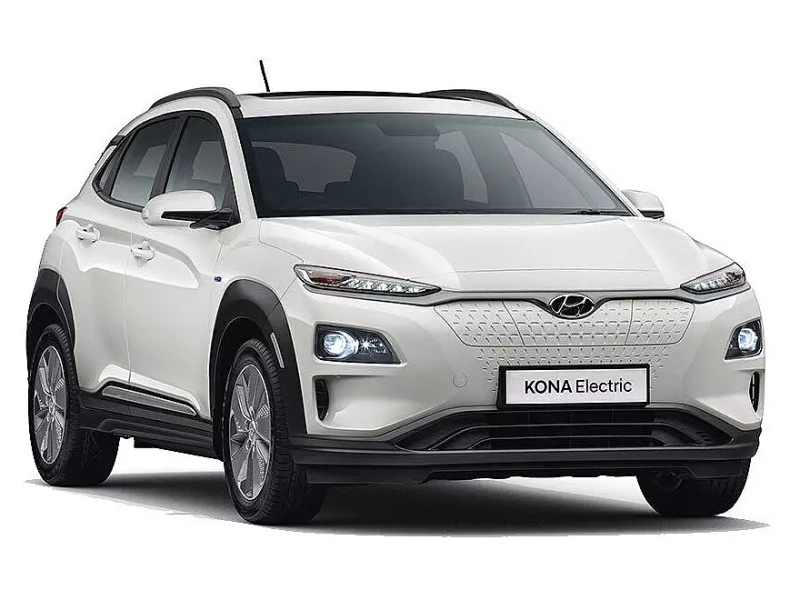
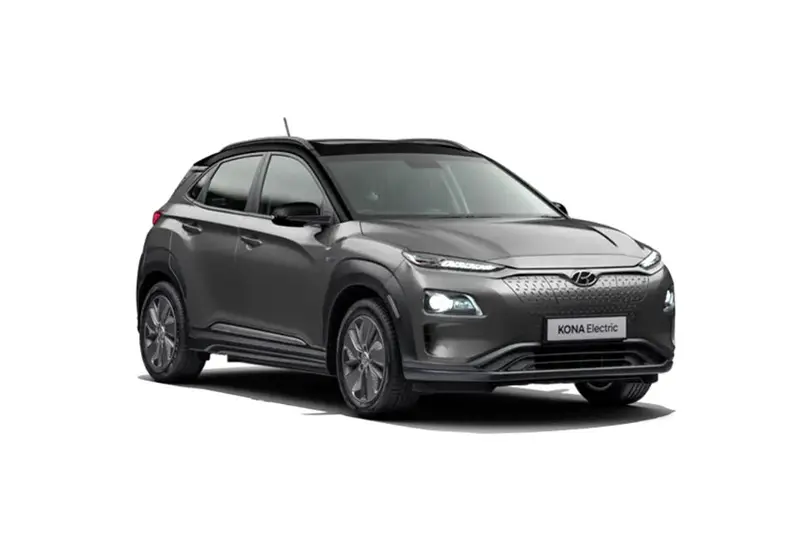
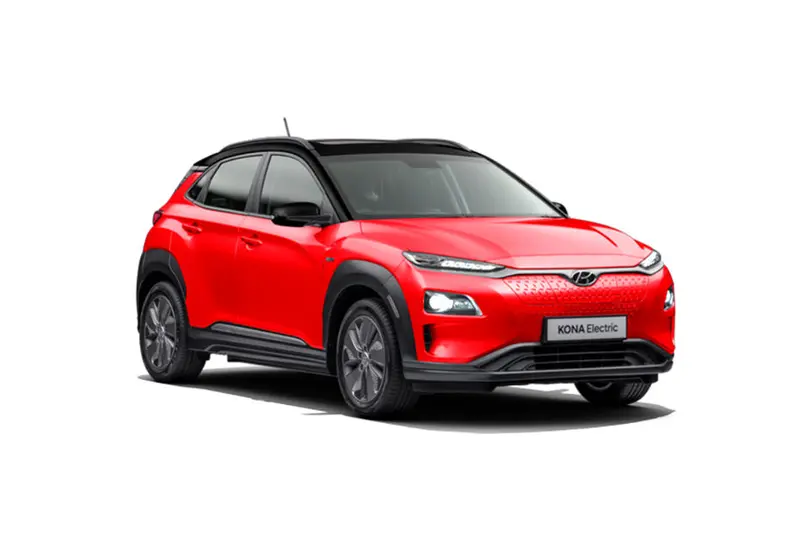
The exterior design of the 2025 Hyundai Kona Electric is a radical departure from the outgoing model, adopting a bolder and more futuristic aesthetic. The front fascia is dominated by a full-width seamless horizon lamp, incorporating the LED daytime running lights, giving it an unmistakable presence. The main headlamp clusters are vertically stacked within distinct, sculpted sections of the bumper. The parametric pixel design elements, particularly around the charging port and lower bumper, highlight its electric identity.
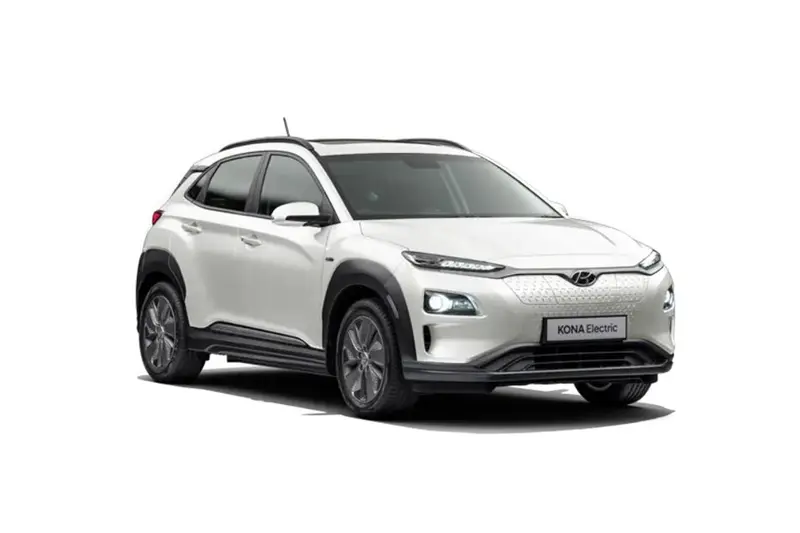
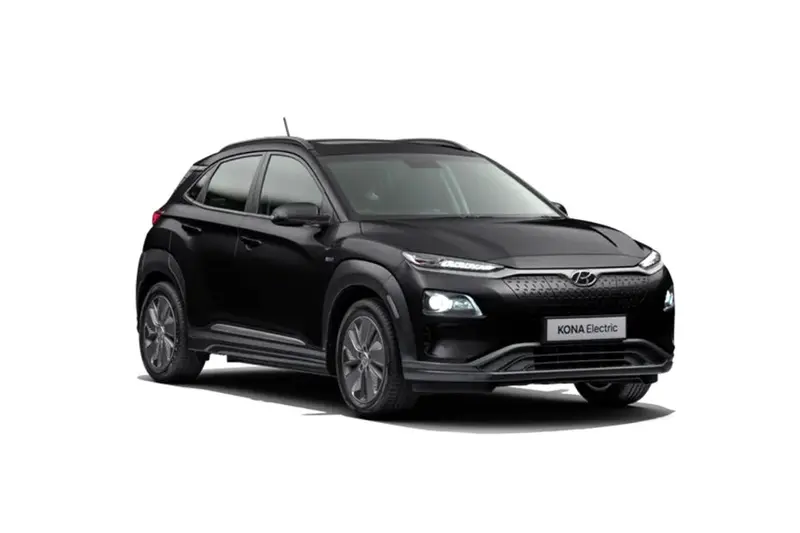
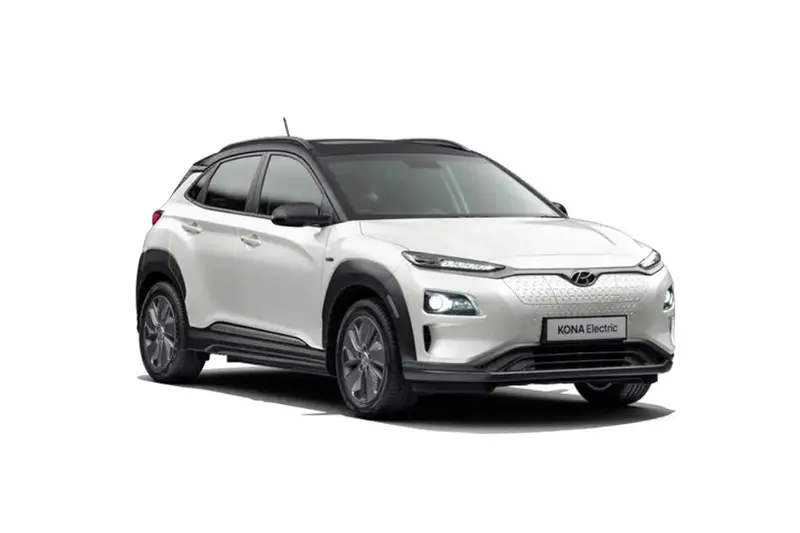
The side profile is characterized by sharp creases and prominent wheel arch cladding, which houses aerodynamically optimized alloy wheels. The clean surfaces and flush-fitting door handles contribute to a sleek and modern appearance. The rear mirrors the front's design language with another full-width seamless horizon lamp and vertically placed taillights. Dimensions for the 2025 model are expected to be larger than the 2024 version, which measured around 4,205 mm in length, 1,800 mm in width, and 1,570 mm in height, with a wheelbase of 2,600 mm. The increased dimensions are likely to translate into better road presence and interior space. Color options are expected to include vibrant choices alongside more subdued metallic finishes, potentially with dual-tone roof options.
safety
safety
Safety is a paramount consideration for the 2025 Hyundai Kona Electric, building on the strong foundation of its predecessor. The outgoing 2024 Kona Electric achieved a 5-star Euro NCAP safety rating, and the new generation, with its enhanced platform and structural integrity, is expected to maintain or surpass this high standard. The vehicle's construction utilizes high-strength steel in key areas, designed to absorb impact forces effectively and protect occupants.
The 2025 Kona Electric will come equipped with a comprehensive array of passive and active safety features. Standard safety equipment is expected to include multiple airbags (likely 6 or more), Anti-lock Braking System (ABS) with Electronic Brakeforce Distribution (EBD), Electronic Stability Control (ESC), and a Tyre Pressure Monitoring System (TPMS). The vehicle's stable chassis and advanced traction control systems ensure confident handling across varied Indian road conditions, including wet surfaces during monsoons. The overall safety offering focuses on providing robust protection and assistance, contributing to a secure driving experience for all occupants.
competition
competition
The 2025 Hyundai Kona Electric faces stiff competition in the burgeoning compact electric SUV segment in India. Its primary rivals include the MG ZS EV, Tata Nexon EV Long Range, and the Mahindra XUV400.
The MG ZS EV offers a spacious interior and a strong feature list, often appealing to buyers looking for a more traditional SUV feel in an EV. The Kona Electric differentiates itself with its bolder, more futuristic design and potentially more refined powertrain. The Tata Nexon EV Long Range is a formidable competitor, offering a compelling balance of price, range, and features, backed by Tata's extensive service network. It often holds a value-for-money advantage due to local manufacturing. The Kona Electric aims to counter this with a more premium experience, advanced technology, and potentially superior driving dynamics. The Mahindra XUV400 is another homegrown rival, known for its robust build and competitive pricing. While it offers good performance, the Kona Electric is expected to lead in terms of interior refinement, advanced features, and overall polish.
Considering the Indian buyer's price-centric mentality, the Tata Nexon EV Long Range often emerges as the value-for-money option due to its aggressive pricing and strong feature set for the cost. However, for those willing to pay a premium for a more sophisticated design, advanced technology, and a refined driving experience, the 2025 Hyundai Kona Electric positions itself as the overall best performer in terms of a balanced, modern electric vehicle package.
Buying Guide
Buying Guide
The 2025 Hyundai Kona Electric, with its second-generation updates, presents a highly compelling proposition in India's electric vehicle market. It offers a striking new design, a significantly improved interior with advanced digital interfaces, and an enhanced electric powertrain that promises greater range and efficiency. The focus on comfort, practicality, and a comprehensive suite of safety features makes it a well-rounded package for the discerning Indian buyer.
For consumers prioritizing a modern, feature-rich electric SUV for urban commutes and occasional longer trips, the 2025 Kona Electric is certainly worth the money. Its combination of distinctive styling, refined driving dynamics, and a strong technology offering makes it a smart choice. Among its variants, the long-range version would likely be the best pick for Indian buyers, offering the peace of mind of extended range for varied usage patterns, from daily city driving to weekend getaways.