

EMI Loading
Hero HF 100 Key Specifications
Hero HF 100 Variants & Prices
| Variant Details | Ex. Showroom Price | |
|---|---|---|
HF 100 Standard85 kmph | 70 kmpl | 97.2 cc | ₹ 59,839* |
HF 100 Standard
Hero HF 100 Comparison with similar Bikes
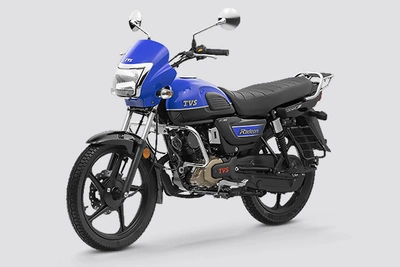
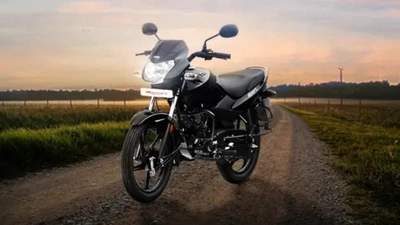
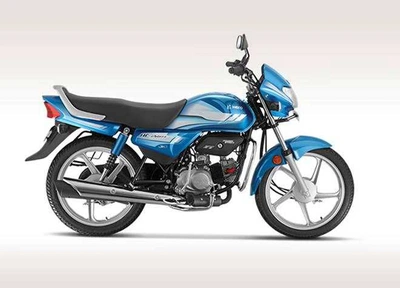
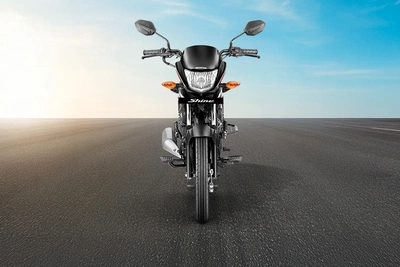
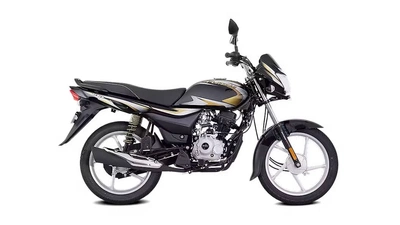
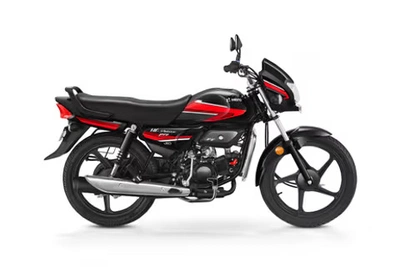
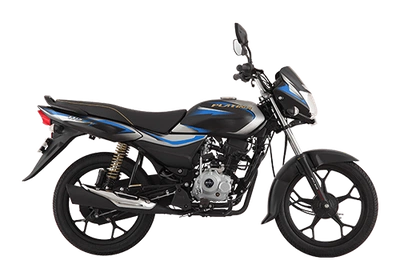
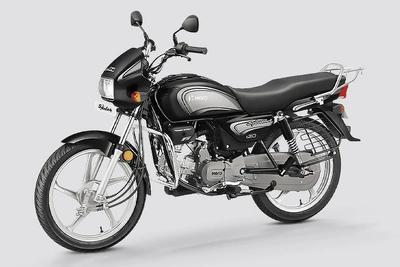
Pros & Cons of Hero HF 100
Things We Like
- Extremely competitive and low ex-showroom price point.
- Exceptional fuel efficiency, delivering very low running costs.
Things We Don't Like
- Complete absence of an electric starter, only kick-start available.
- Basic 130mm drum brakes on both ends lack bite.
Hero HF 100 Overview

Engine, Performance and Mileage
Engine, Performance and Mileage
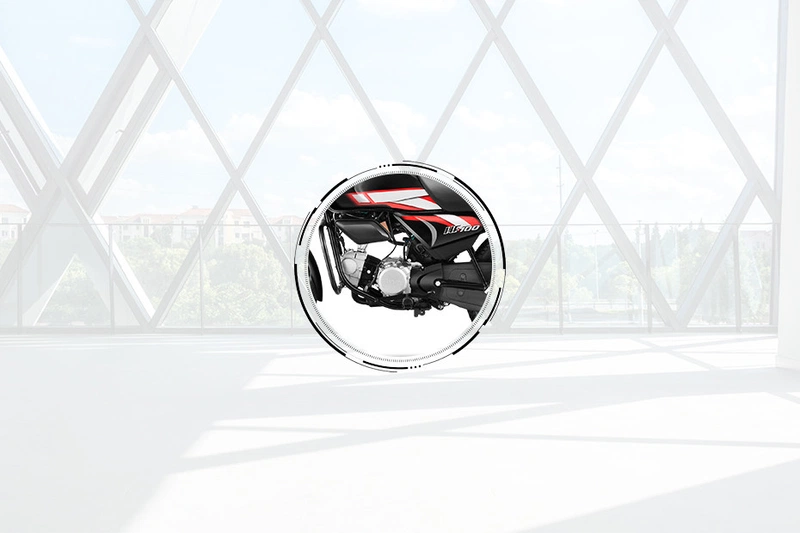
The Hero HF 100 is powered by the manufacturer's venerable 97.2cc air-cooled, 4-stroke, single-cylinder OHC engine. This BS6 Phase 2 compliant unit produces 8.02 PS of power at 8,000 rpm and 8.05 Nm of torque at 6,000 rpm, paired with a 4-speed constant mesh transmission. These figures are standard for the segment and are engineered for functionality, not outright performance. In urban environments, the engine's strength is its tractability. The torque is accessible in the low to mid-range, allowing the motorcycle to pull away from a standstill without excessive clutch work, a crucial trait for navigating dense city traffic. The throttle response, governed by Hero’s ‘Xsens’ programmed fuel injection, is linear and predictable, devoid of any abruptness.
On open roads, the motorcycle is comfortable cruising between 50-60 km/h. Pushing beyond 70 km/h introduces noticeable vibrations through the handlebars and footpegs, indicating the engine is operating outside its comfort zone. The 4-speed gearbox offers smooth shifts, but its ratios are short, optimized for city speeds rather than highway touring. The primary objective of this powertrain is fuel efficiency. With a kerb weight of 110 kg and a frugal FI system, real-world mileage figures consistently hover between 65-70 kmpl under mixed riding conditions, making it one of the most economical motorcycles to run on a daily basis.
posture comfort
posture comfort
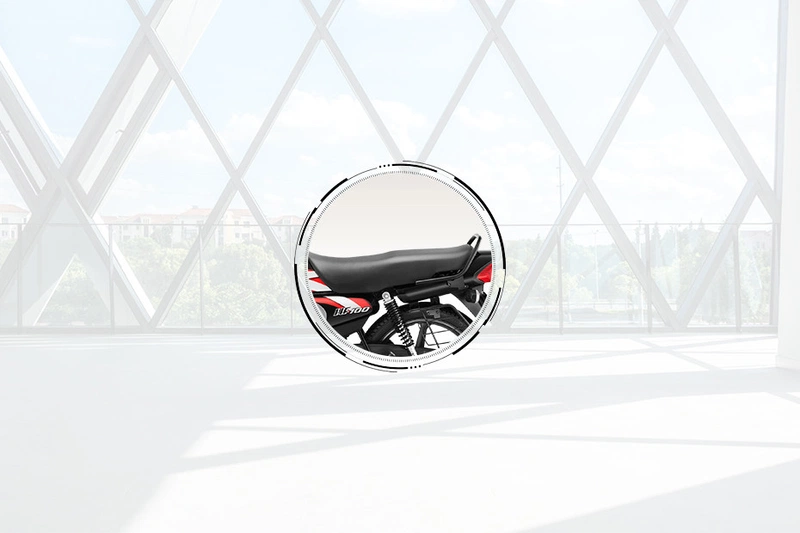
For a motorcycle in its class, the HF 100 excels in rider and pillion comfort. The riding posture is completely upright and neutral, with an easy reach to the handlebars and conventionally placed footpegs. This ergonomic setup minimizes strain on the rider’s back and wrists, making it suitable for long hours of commuting. The single-piece seat is long, wide, and well-padded, offering excellent support for both the rider and a pillion. With a seat height of 805 mm, it is accessible to a wide range of riders, and the bike’s slim profile makes it easy to plant both feet firmly on the ground.
Practicality is a core strength. The simple, robust metal grab rail is functional for the pillion to hold onto and serves as a sturdy mount for tying down small luggage. The 9.1-litre fuel tank, paired with its high fuel efficiency, gives the HF 100 a theoretical range of over 600 kilometres on a single tank, reducing the frequency of fuel stops. A full chain cover protects the chain from dust and grime, extending its life and reducing maintenance intervals. The lack of under-seat storage is standard for this type of motorcycle, but its overall design is focused on durability and low-maintenance operation, which are practical considerations for its target audience. The engine manages heat well in traffic, with no discomfort reported to the rider's legs.
handling ride quality
handling ride quality
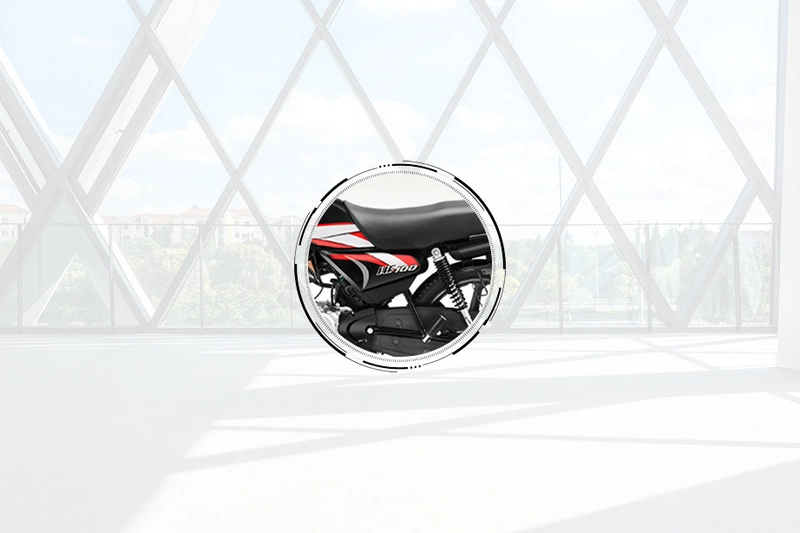
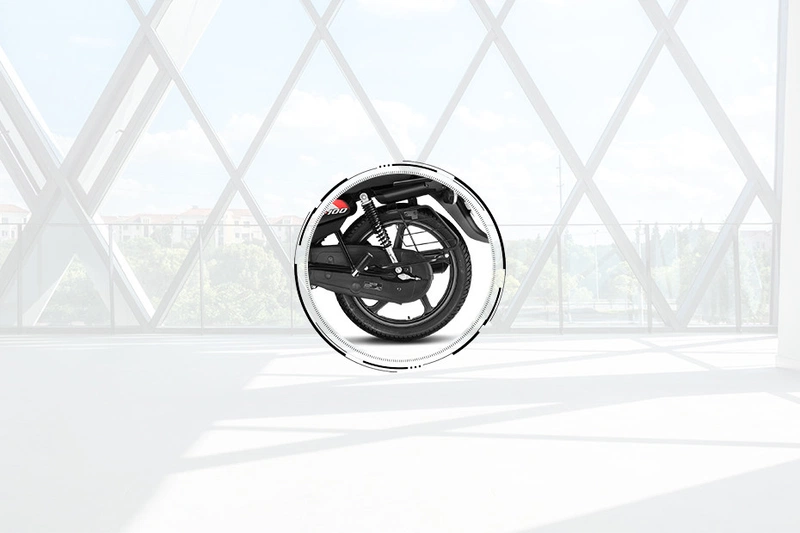
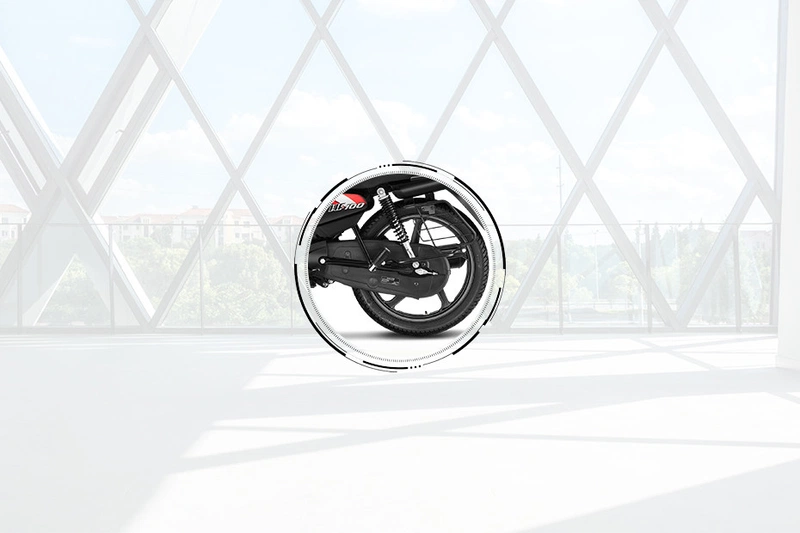
The HF 100 is built on a tubular double-cradle frame, with a suspension setup comprising telescopic hydraulic forks at the front and a 2-step adjustable hydraulic shock absorber system at the rear. This configuration is tuned entirely for ride comfort over dynamic handling. Within the city, the suspension does an adequate job of absorbing minor road imperfections and undulations, providing a reasonably compliant ride. However, when faced with larger potholes or sharp speed breakers, the rear suspension can feel rudimentary and transfer jolts to the rider. The motorcycle's low kerb weight and narrow profile make it exceptionally agile for filtering through congested traffic, requiring minimal physical effort to change direction.
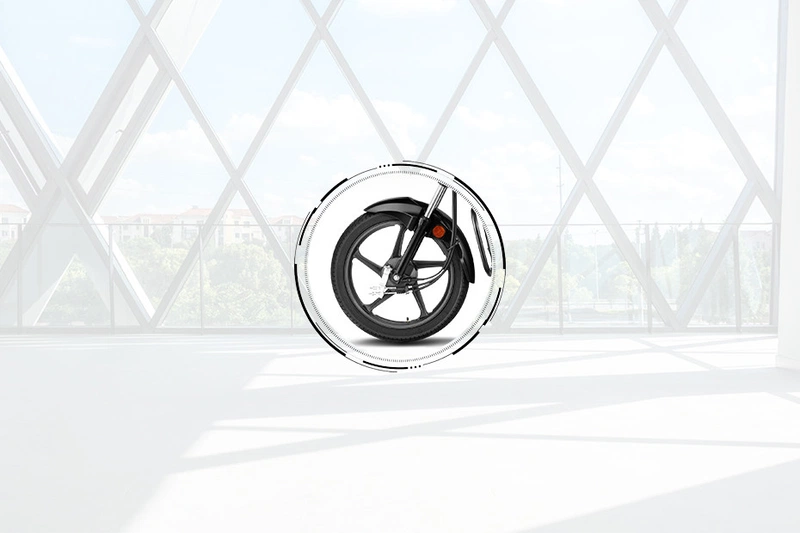
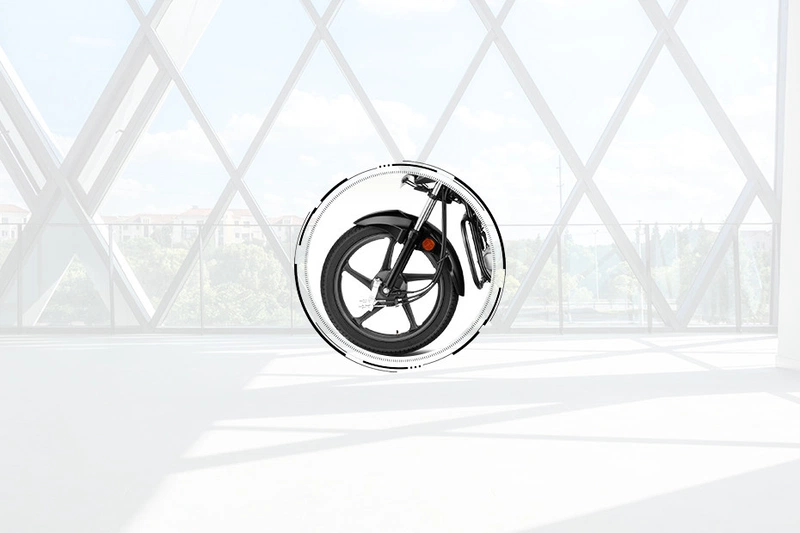
Handling characteristics are predictable and safe, but not engaging. The bike maintains stability at speeds up to 60 km/h, but its lightweight nature and basic suspension setup mean it can feel unsettled by crosswinds or uneven surfaces at higher speeds. Cornering is best done at a sedate pace. The braking system consists of 130mm drum brakes on both the front and rear wheels, linked by Hero's Integrated Braking System (IBS). When the rear brake is applied, IBS partially engages the front brake to enhance stability. While this system meets regulatory requirements, the overall braking performance is modest. The feedback from the levers is spongy, and stopping distances are adequate for city speeds but require careful planning from higher velocities. The absence of a disc brake variant is a notable omission, even for this price point.
design
design
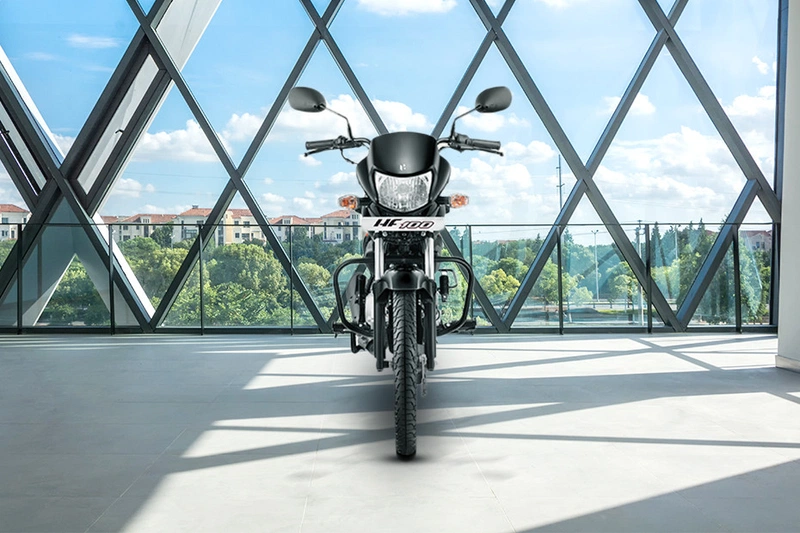
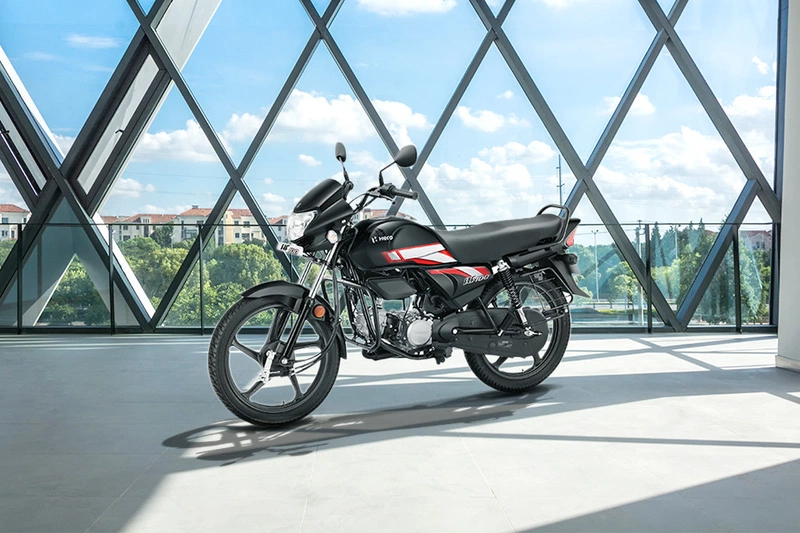
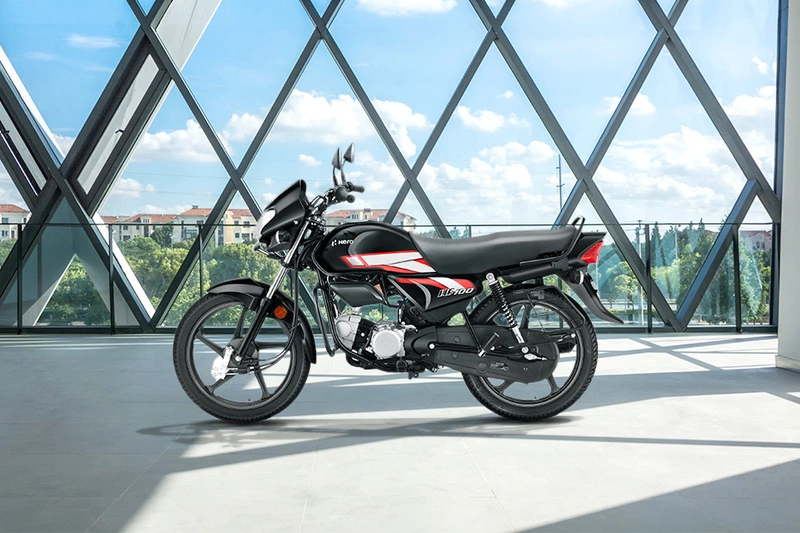
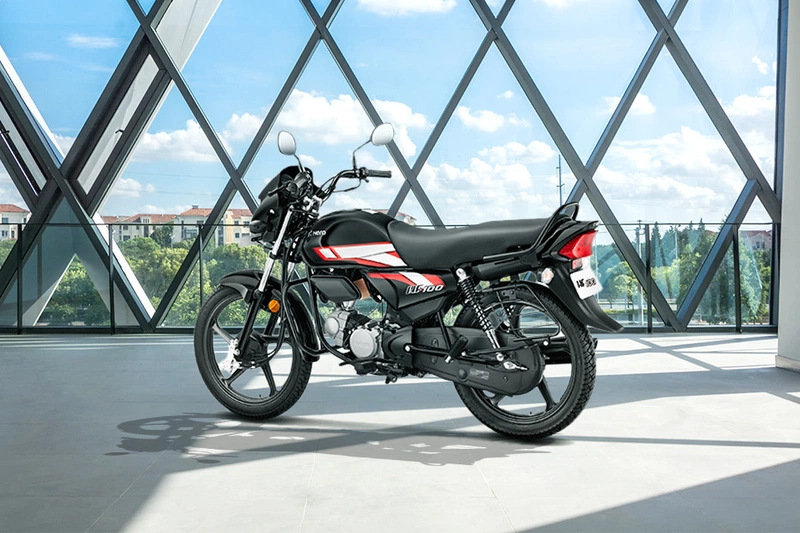
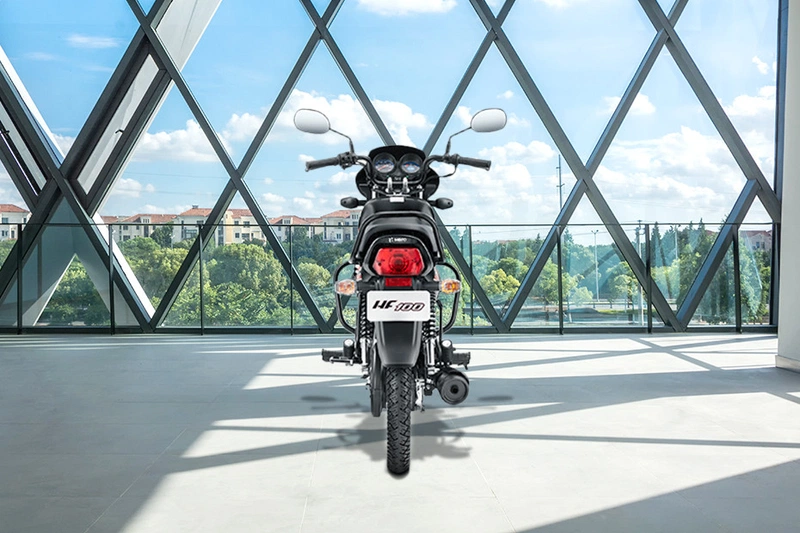
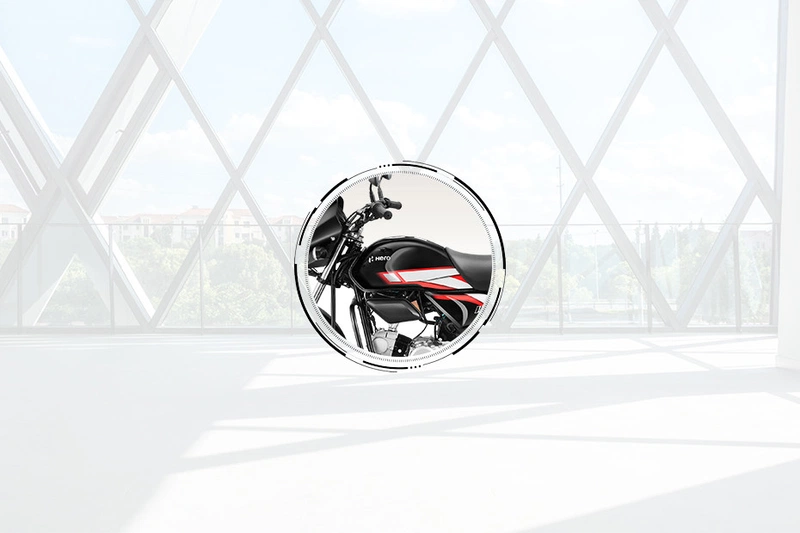
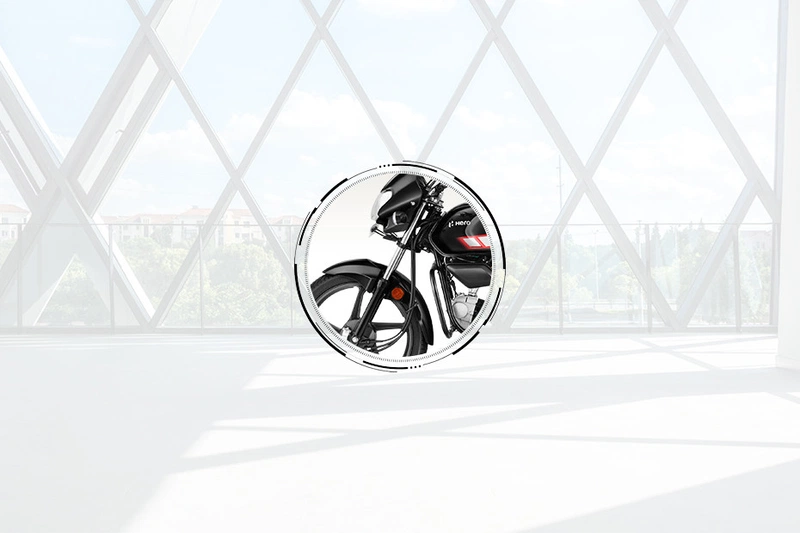
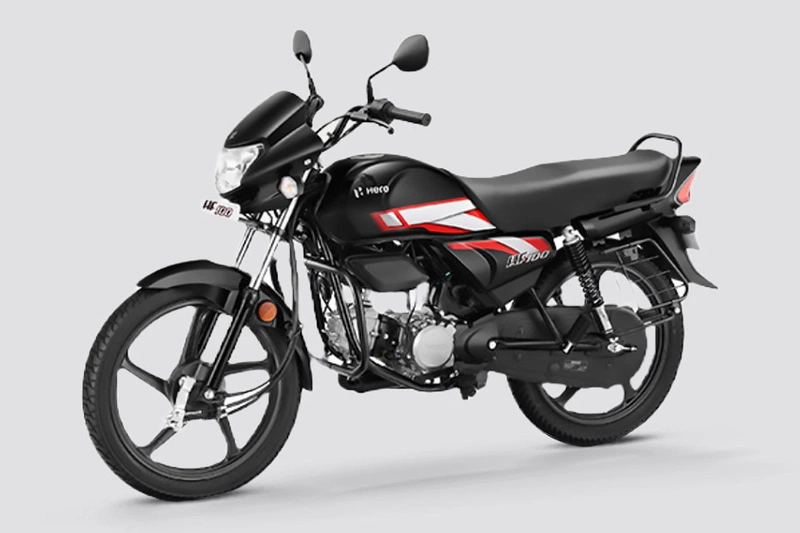
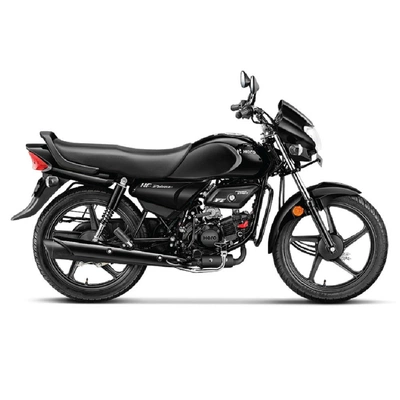
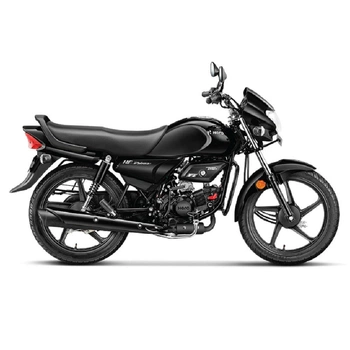
The design philosophy of the Hero HF 100 is rooted in pure utilitarianism. It forgoes aesthetic embellishments for a functional, no-nonsense form. The styling is carried over from the older HF Deluxe platform, featuring a simple halogen headlamp, a lean fuel tank, and basic body panels with minimalist graphics. The all-black treatment on the engine, alloy wheels, and exhaust is a practical choice aimed at making maintenance easier and hiding minor scuffs. The lighting system is entirely conventional, with a halogen headlamp that provides sufficient illumination for low-speed urban riding but lacks the intensity and spread of more modern LED units found on competitors.
The instrument cluster is a purely analogue unit, displaying only the most essential information: a speedometer, an odometer, and a fuel gauge. Conspicuously absent is a tripmeter, a fundamental tool for tracking fuel consumption and planning refuelling stops, which is a significant functional oversight in a motorcycle built for mileage. The feature list is sparse to the point of being spartan. There is no electric starter; the motorcycle relies solely on a kick-starter. Other modern conveniences such as a USB charging port, semi-digital instrumentation, or even an LED DRL are absent. This minimalist approach is a deliberate cost-saving measure, defining the HF 100 as a tool for transport rather than a feature-rich product.
safety
safety
The safety equipment on the Hero HF 100 is compliant with the minimum regulatory standards for its segment but does not go beyond them. The primary safety feature is the Integrated Braking System (IBS), which is a mandatory alternative to ABS on motorcycles below 125cc. This system automatically applies a portion of the front brake force when the rear brake pedal is depressed. Its main benefit is for novice riders, as it helps to balance the motorcycle and reduce the chances of a rear-wheel skid during hard braking. However, it is not a substitute for an Anti-lock Braking System (ABS) and will not prevent front-wheel lock-up.
Another critical safety feature included is the side-stand engine cut-off switch, which prevents the engine from starting or running if the side stand is engaged. This effectively eliminates the risk of riding away with the stand down. Braking confidence on the 130mm drum brakes is adequate in dry conditions but diminishes significantly in the wet, requiring greater stopping distances and a more cautious riding style. Visibility to other road users is standard, with the halogen headlamp and conventional turn indicators. In a segment where some competitors are beginning to offer brighter lighting or more effective braking hardware, the HF 100's safety package is functional but basic.
competition
competition
The entry-level 100cc commuter segment is fiercely contested, with each competitor offering a distinct advantage.
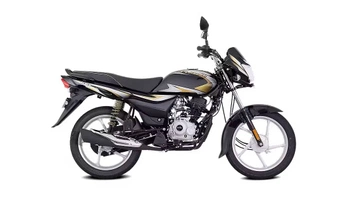
Bajaj Platina 100:
The Platina 100’s primary differentiator is its focus on rider comfort. It features a ‘ComforTec’ suspension with longer travel in both the front forks and rear shocks, designed specifically to tackle poor road conditions more effectively. This, combined with a well-padded seat, makes it a superior choice for riders who frequently travel on broken or rural roads.
TVS Sport:
The TVS Sport positions itself with slightly sportier styling and a more comprehensive feature list for a marginal price increase. It often includes an electric start, an econometer in the instrument cluster, and brighter DRLs. Its reputation for delivering high mileage figures, heavily promoted by the brand, also makes it a strong contender for economy-conscious buyers.
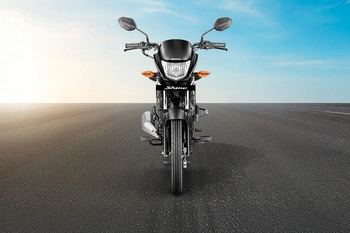
Honda Shine 100:
Honda’s entry into this segment, the Shine 100, leverages the brand’s core strengths: engine refinement and reliability. The 100cc engine is known for its exceptionally smooth and quiet operation. While it is also a bare-bones motorcycle like the HF 100, the Honda badge promises a higher degree of refinement, build quality, and stronger resale value.
buying advice
buying advice
Who should buy it?
This motorcycle is for the buyer whose decision is governed almost exclusively by the ex-showroom price and subsequent running costs. It is ideal for rural users, delivery fleets, or individuals needing a basic, reliable workhorse with maximum fuel economy.
Who should skip it?
Buyers who can afford a marginal increase in their budget should look elsewhere. Competitors offer critical features like an electric starter, a tripmeter, and superior suspension for a slightly higher price, providing a significantly better ownership experience.
Hero HF 100 Specifications & Features
Engine & Transmission
| Starting | Kick Start Only |
| Engine Type | Air cooled, 4-stroke, Single cylinder, OHC |
| Displacement | 97.2 cc |
| Max Torque | 8.05 Nm @ 6000 rpm |
| Number of Cylinders | 1 |
| Cooling System | Air Cooled |
| Fuel Supply | Fuel Injection |
| Gear Box | 4 Speed |
| Bore | 50 mm |
| Stroke | 49.5 mm |
| Compression Ratio | 9.9:1 |
| Emission Type | BS6.2 |
| Clutch | Multiplate Wet Type |
| Valve Per Cylinder | 2 |
| gear shifting pattern | All 4 Up |
| spark plugs per cylinder | 1 Per Cylinder |
Motor & Battery
| Drive Type | Chain Drive |
| Transmission | Manual |
| Peak Power | 8.02 PS @ 8000 rpm |
Mileage & Performance
| Overall Mileage | 70 kmpl |
Performance
| Top Speed | 85 kmph |
Chassis & Suspension
| Body Type | Commuter Bikes |
Tyres & Brakes
| Front Brake Diameter | 130 mm |
| Rear Brake Diameter | 130 mm |
| Front Tyre Pressure Rider | 25 psi |
| Front Tyre Pressure Rider Pillion | 25 |
| Rear Tyre Pressure Rider | 28 psi |
| Rear Tyre Pressure Rider Pillion | 33 |
Dimensions & Capacity
| Width | 720 mm |
| Length | 1965 mm |
| Height | 1045 mm |
| Fuel Capacity | 9.1 L |
| Ground Clearance | 165 mm |
| Wheelbase | 1235 mm |
| Kerb Weight | 109 Kg |
| Engine Oil | 1.15 L |
| Seat Height | 805 mm |
| pillion grab rail | |
| pillion seat |
Electricals
| Headlight | Halogen |
| Taillight | Bulb |
| Turn Signal Lamp | Bulb |
| Low Fuel Indicator | |
| Alternator | 135 W @ 5000 rpm |
Features & Safety
| Pass Switch | |
| Fuel Gauge | Analog |
| Braking Type | Integrated Braking System |
| hazard warning indicator | |
| high beam indicator | |
| malfunction indicator | |
| saree guard | |
| stand alarm |
Features
| Instrument Console | Analogue |
| Speedometer | Analogue |
| Tripmeter | Analogue |
| Seat Type | Single |
| Passenger Footrest | |
| Odometer | Analogue |
| Body Graphics | |
| Handle Type | Single Piece |
| gear indicator |
Underpinnings
| Suspension Front | Telescopic Hydraulic Shock Absorbers |
| Suspension Rear | Swingarm with 2-Step Adjustable Hydraulic Shock Absorbers |
| Brakes Front | Drum |
| Brakes Rear | Drum |
| Tyre Size | Front :-2.75-18 Rear :-2.75-18 |
| Wheel Size | Front :-457.2 mm,Rear :-457.2 mm |
| Wheels Type | Alloy |
| Frame | Tubular Double Cradle |
| first service | 750 Kms/60 Days |
| second service | 3500 Kms/160 Days |
| third service | 6500 Kms/260 Days |
| fourth service | 9500 Kms |
| Tyre Type | Tube |
Warranty
| Vehicle Warranty | 5 Years or 70,000 Km |
Hero HF 100 Price in Cities
₹ 0.70 Lakh - 0.70 Lakh
₹ 0.69 Lakh - 0.69 Lakh
₹ 0.69 Lakh - 0.69 Lakh
₹ 0.69 Lakh - 0.69 Lakh
₹ 0.66 Lakh - 0.66 Lakh
₹ 0.74 Lakh - 0.74 Lakh
₹ 0.69 Lakh - 0.69 Lakh
₹ 0.65 Lakh - 0.65 Lakh
₹ 0.75 Lakh - 0.75 Lakh
₹ 0.66 Lakh - 0.66 Lakh
Popular Brands





Hero HF 100 Comparisons
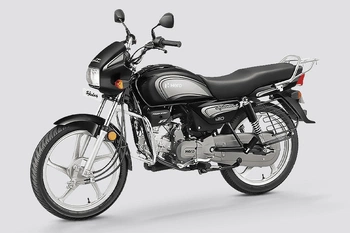
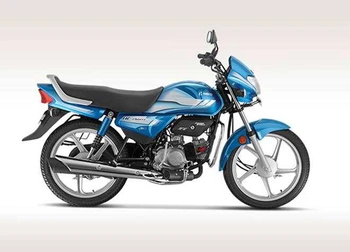
Hero HF 100
₹59,839
Hero Splendor Plus
₹77,557 - 80,331
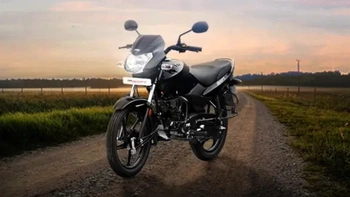
Hero HF 100
₹59,839
TVS Sport
₹58750 - 59,950
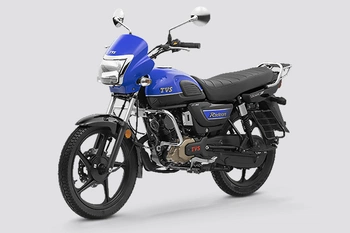
Hero HF 100
₹59,839
TVS Radeon
₹58450 - 80200
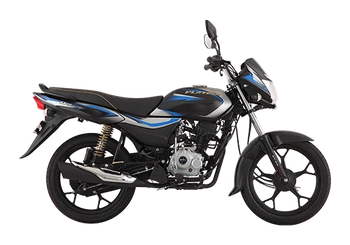
Hero HF 100
₹59,839
Bajaj Platina 110
₹73077
Hero HF 100
₹59,839
Bajaj Platina 100
₹68989
Hero HF 100
₹59,839
Hero Splendor Plus
₹77,557 - 80,331
Hero HF 100
₹59,839
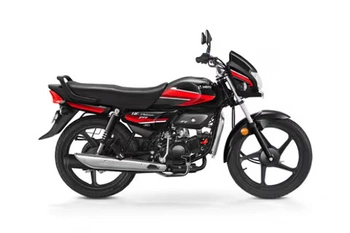
Hero HF Deluxe
₹59,477 - 70,442
Hero HF 100
₹59,839
Hero HF Deluxe Pro
₹72,620
Hero HF 100
₹59,839
Honda Shine 100
₹65,393