
EMI Loading
Bajaj Avenger 220 Street Key Specifications
Bajaj Avenger 220 Street Variants & Prices
| Variant Details | Ex. Showroom Price | |
|---|---|---|
Avenger 220 Street STD120 kmph | 40 kmpl | 220 cc | ₹ 1.30 Lakh* |
Avenger 220 Street STD
Bajaj Avenger 220 Street Comparison with similar Bikes
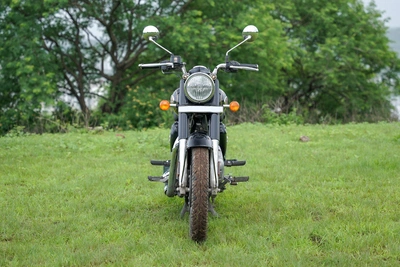
Pros & Cons of Bajaj Avenger 220 Street
Things We Like
- Exceptionally low and accessible seat height enhances rider confidence.
- Comfort-oriented ergonomics make it ideal for relaxed city commuting.
Things We Don't Like
- Lacks a rear disc brake and offers only single-channel ABS.
- Outdated halogen headlamp provides subpar illumination compared to rivals.
Bajaj Avenger 220 Street Overview

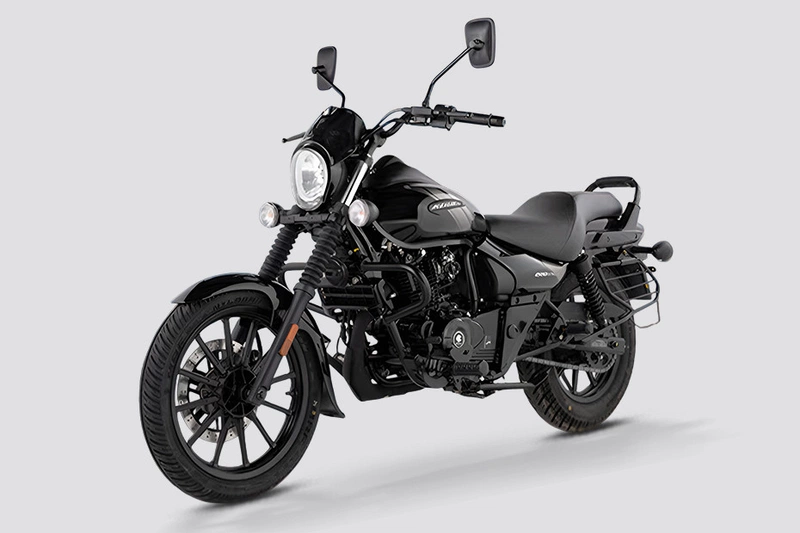
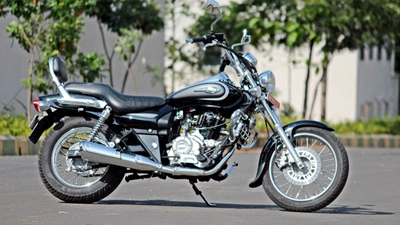
The Bajaj Avenger 220 Street holds a unique spot in India's motorcycle scene as an affordable and easy-to-handle cruiser. It's designed for riders who want a relaxed yet stylish bike for daily commuting and occasional touring. What sets it apart is its street-focused appearance and comfortable ergonomics. While keeping the core feel of a traditional cruiser, its updated digital display and contemporary touches appeal to today's riders. It combines Bajaj's reliable engine with a distinct cruiser personality, making it a solid choice if you value comfort and a unique road presence at a reasonable price.
Engine, Performance and Mileage
Engine, Performance and Mileage
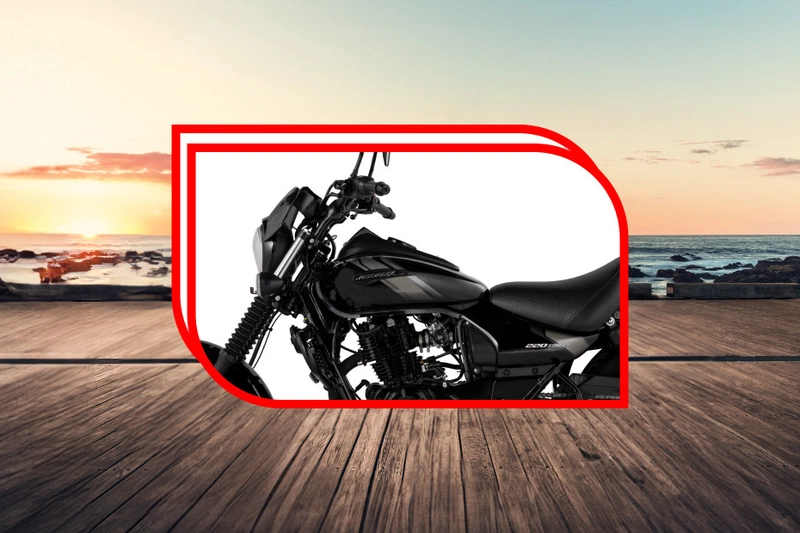
The heart of the Avenger 220 Street is its 220cc, single-cylinder, oil-cooled, twin-spark DTS-i engine, a powertrain with a lineage traceable to the Pulsar 220F. In its current BS6 Phase 2 compliant form, it produces 19.03 PS of power at 8,500 rpm and 17.55 Nm of torque at 7,000 rpm, paired with a 5-speed transmission. In real-world application, these figures translate to a motorcycle with adequate performance for its intended purpose. The engine's strength is its tractable mid-range, allowing for comfortable city commuting and effortless overtakes between 40-80 km/h without requiring frequent gear changes. Throttle response is linear and predictable, though it lacks the crispness of modern fuel-injected systems.
On the highway, the Avenger can maintain speeds of 90-100 km/h, but vibrations become noticeable in the handlebars and footpegs past this point, indicating the engine's age. Refinement levels are acceptable but fall short of the smoother, counterbalanced engines found in competitors. In terms of fuel efficiency, owners can expect a realistic mileage of 35-40 km/l, which, combined with its 13-litre fuel tank, provides a respectable touring range of over 450 kilometres.
posture comfort
posture comfort
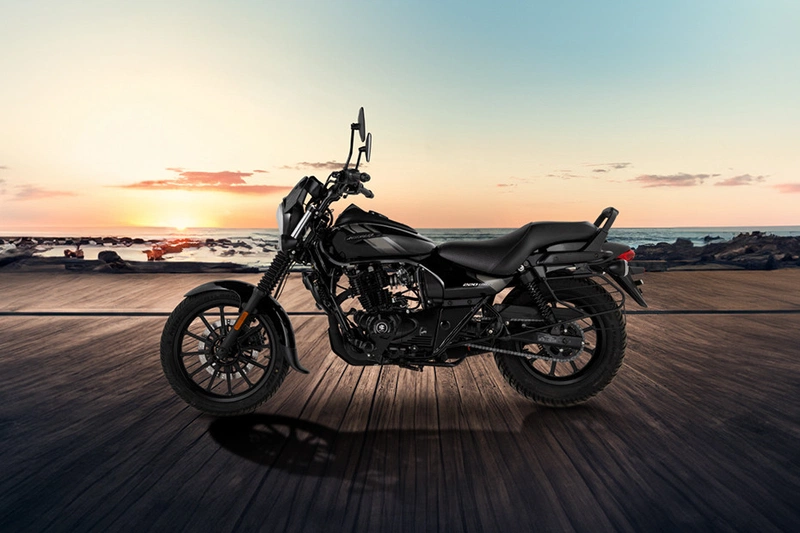
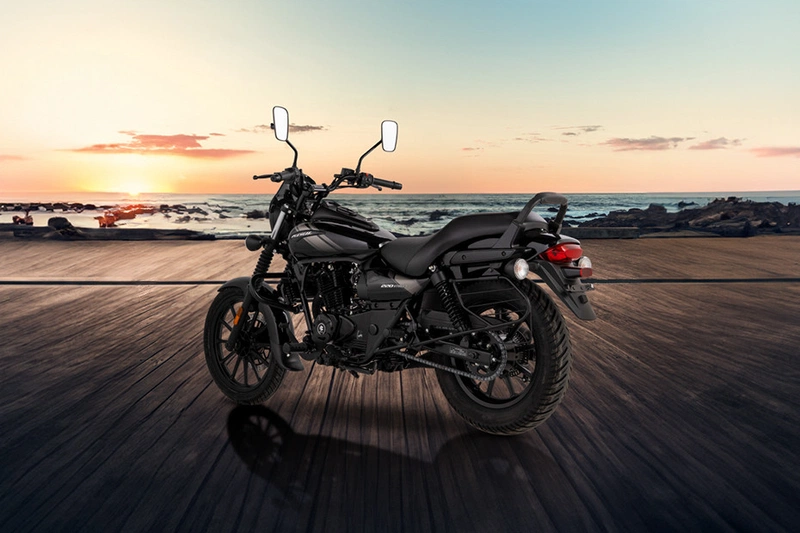
Ergonomics are arguably the Avenger 220 Street's most compelling attribute. With a seat height of just 737 mm, it is one of the most accessible motorcycles in its class, allowing riders of shorter stature to place both feet firmly on the ground. The riding posture is relaxed and upright, with forward-set footpegs and a handlebar that falls easily to hand, minimizing strain on the rider’s back and wrists during long commutes. The single-piece seat is wide and well-cushioned, providing excellent support for the rider. Pillion comfort is also adequate for short to medium-distance journeys, aided by a functional grab rail that doubles as a small backrest.
For practicality, the 13-litre fuel tank offers significant range, reducing the frequency of fuel stops. While there is no built-in storage, the simple design and sturdy grab rail make it relatively easy to mount aftermarket luggage like saddlebags for touring purposes. Engine heat management is effective, with the oil cooler ensuring the motorcycle does not become uncomfortable during stop-and-go city traffic. Overall, it scores highly as a comfortable daily commuter and a capable short-distance tourer.
handling ride quality
handling ride quality
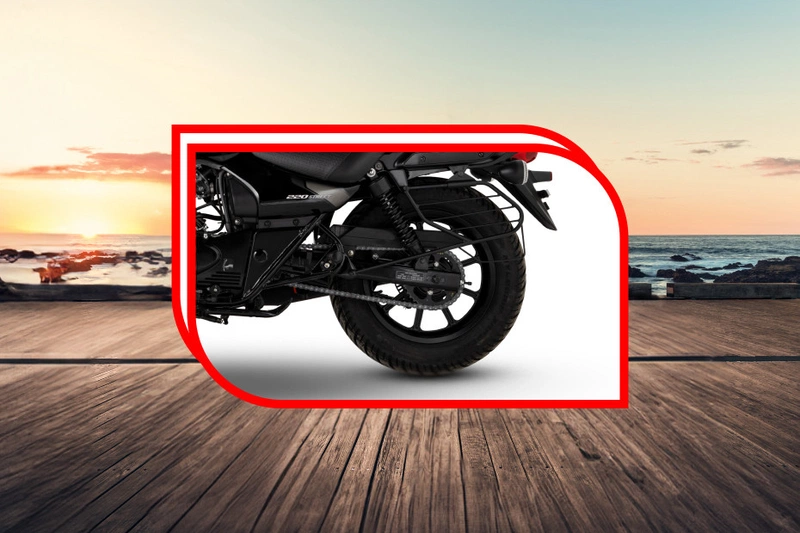
The Avenger 220 Street is engineered with a clear focus on ride comfort over dynamic agility. Its chassis is suspended by a conventional telescopic fork at the front and 5-step adjustable twin shock absorbers at the rear. This setup is tuned for softness, effectively absorbing road imperfections like potholes and broken tarmac at low to moderate city speeds. The long 1490 mm wheelbase contributes to excellent straight-line stability on highways, giving the rider a planted and secure feel. However, this comfort-oriented geometry presents limitations in handling. The relaxed steering rake and low-slung design make it feel lethargic during quick directional changes and it is not a motorcycle that encourages spirited cornering.
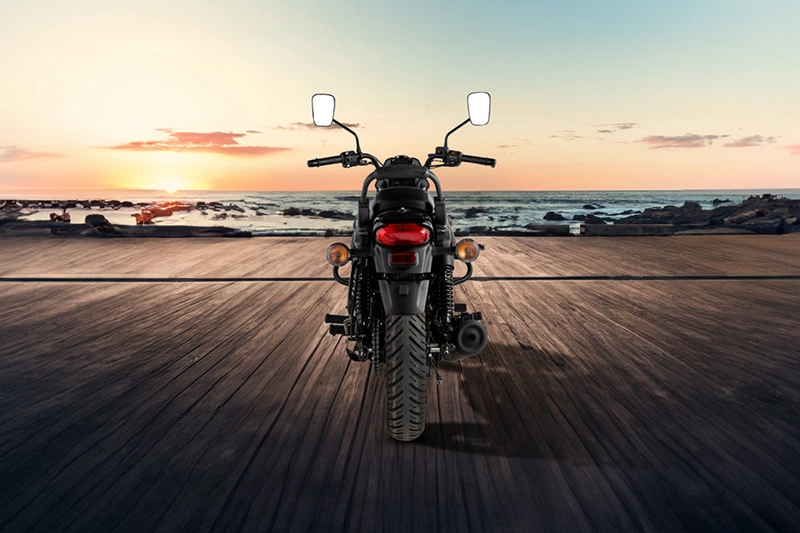
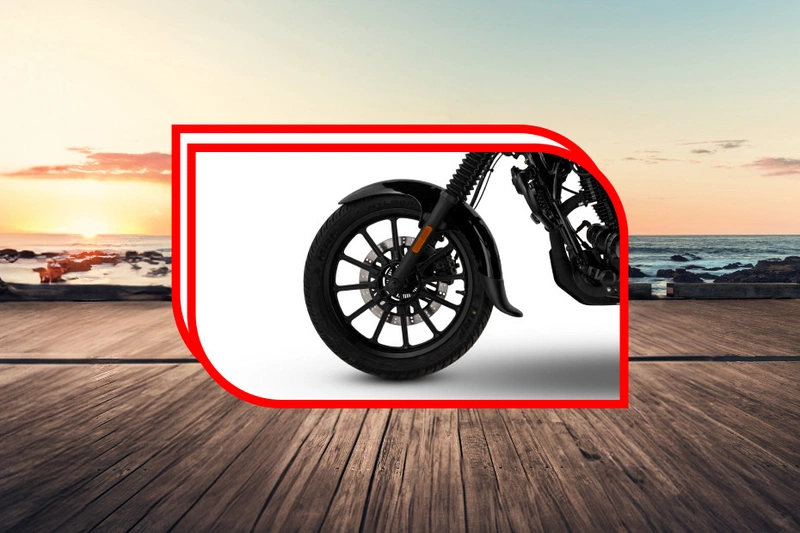
City agility is decent due to the low centre of gravity, but its turning radius can be cumbersome in tight U-turns. The braking hardware consists of a 280 mm disc at the front and a 130 mm drum at the rear, governed by a single-channel ABS system. While the front brake offers adequate bite and feedback, the rear drum feels rudimentary and lacks the progressive feel of a disc. This setup is functional for urban speeds but feels dated compared to rivals that offer a rear disc and dual-channel ABS as standard.
design
design
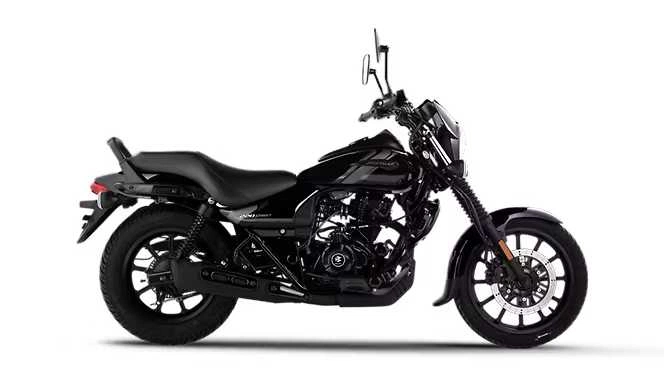
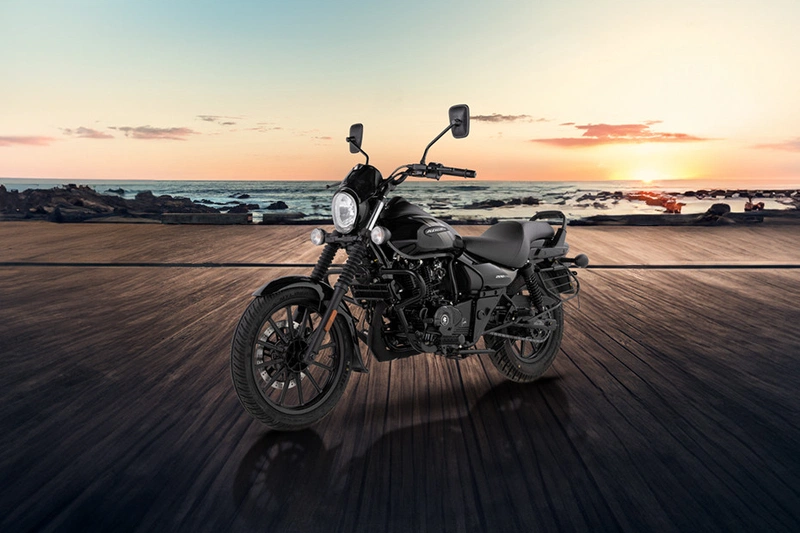
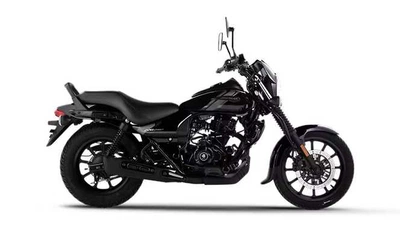
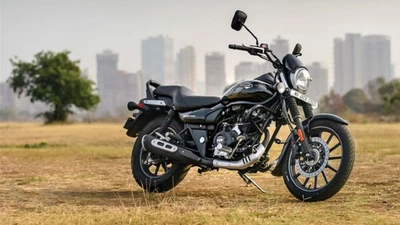
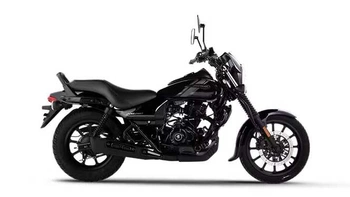
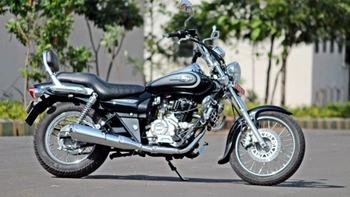
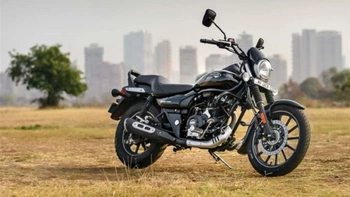
The Avenger 220 Street adheres to a classic urban cruiser aesthetic, characterized by its blacked-out components, flat handlebar, and low-slung profile. While the fundamental design has remained largely unchanged for years, recent updates have attempted to modernize its appeal. The most significant of these is the inclusion of a fully digital, circular instrument cluster. This unit displays a speedometer, odometer, two trip meters, a fuel gauge, and a clock, offering a clear and legible interface that is a substantial improvement over the previous analogue-digital unit.
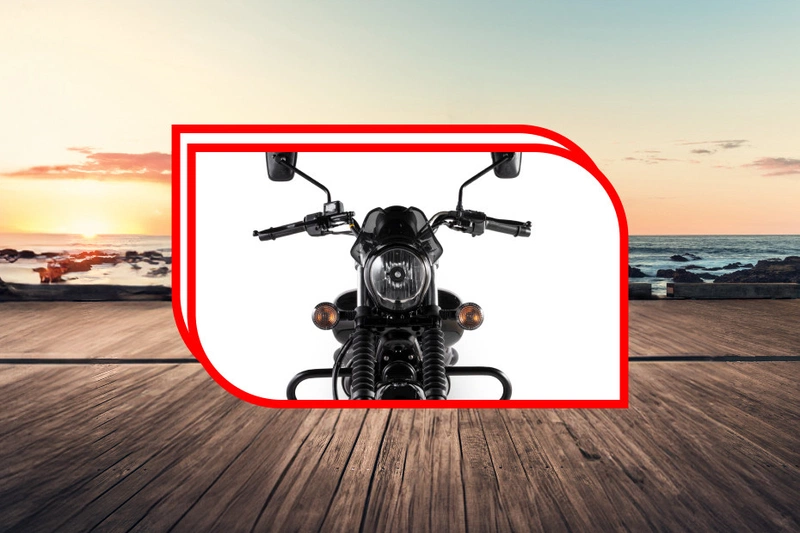
The lighting system, however, is a mix of old and new. It features a bright LED Daytime Running Light (DRL) for visibility, but the main headlamp unit remains a conventional halogen bulb. This is a notable omission in a segment where full LED lighting is becoming the norm.
In terms of practical features, the Avenger 220 Street is conspicuously sparse. It lacks a USB charging port, Bluetooth connectivity for navigation or call alerts, and any form of ride modes. The switchgear is basic and functional but lacks the premium feel of its modern competitors. This minimalist approach to equipment makes the motorcycle feel dated from a technological standpoint.
safety
safety
The safety suite on the Bajaj Avenger 220 Street is functional but basic, reflecting its price point and platform age. The primary safety feature is a single-channel Anti-lock Braking System (ABS). This system operates only on the 280 mm front disc brake, preventing the front wheel from locking up during emergency braking situations, thereby allowing the rider to maintain steering control. While effective, it is a less comprehensive solution than the dual-channel ABS offered by nearly all its direct competitors, which also prevents the rear wheel from locking. The absence of a rear disc brake, relying instead on a 130 mm drum, further compromises braking performance, especially in wet conditions where drum brakes can be less predictable.
The motorcycle is equipped with a mandatory side-stand engine cut-off feature, which prevents the rider from moving with the stand deployed. In terms of visibility, the halogen headlamp provides adequate illumination but lacks the spread and intensity of the LED units found on rival motorcycles, impacting confidence during night rides. The bright LED DRL, however, does enhance the motorcycle’s visibility to other road users during the day.
competition
competition
The sub-₹2 lakh cruiser and neo-retro segment is highly contested, placing the Avenger 220 Street against more modern rivals.
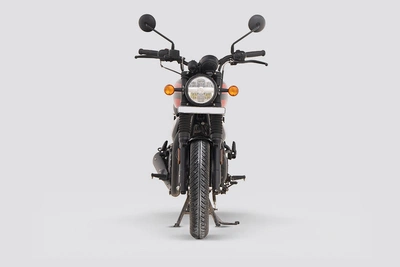
Royal Enfield Hunter 350:
Priced similarly, the Hunter 350 offers a significantly more modern package with Royal Enfield's refined 349cc J-platform engine. Its key differentiator is the superior engine refinement, abundant low-end torque, and stronger brand equity. It also offers dual-channel ABS and a wider range of customisation options.
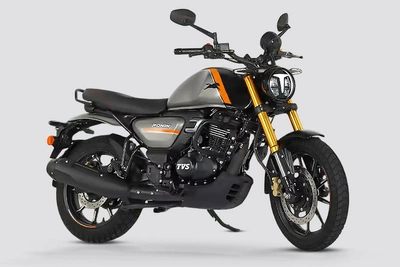
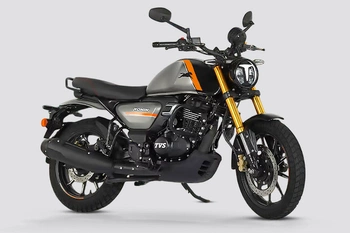
TVS Ronin 225:
The Ronin 225 is a feature-packed scrambler-cruiser hybrid. Its most significant differentiator is technology. It boasts Showa upside-down front forks, Glide Through Technology (GTT) for city traffic, a slipper clutch, and Bluetooth connectivity with turn-by-turn navigation, making the Avenger feel spartan in comparison.
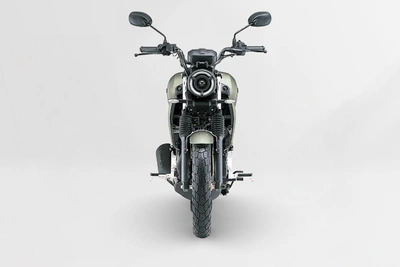
Bajaj Pulsar N250:
An internal rival from Bajaj's own stable, the Pulsar N250 offers a compelling alternative. Its key differentiator is performance and handling. With a more powerful 24.5 PS engine, a modern perimeter frame, and superior braking with dual-channel ABS, it is a far more dynamically capable motorcycle for a similar price.
final verdict
final verdict
The Bajaj Avenger 220 Street remains a relevant choice for riders in India looking for an affordable and comfortable cruiser experience. Its distinctive style, relaxed riding position, and reliable 220cc engine make it a solid pick for city commuting and pleasant highway rides. While it might not offer the latest in technology or outright performance compared to some newer bikes on the market, its core strengths lie in its easy accessibility, fuel efficiency, and simple maintenance. It perfectly fills a specific need for those who want the cruiser look and comfort without spending too much, serving as a straightforward and dependable riding partner.
buying advice
buying advice
Who should buy it?
The ideal buyer is a new rider or someone of a shorter height looking for an accessible, comfortable, and easy-to-manage cruiser primarily for city commuting and occasional weekend rides, who values proven mechanicals over modern features.
Who should skip it?
Riders who prioritize modern technology, highway performance, superior safety features like dual-channel ABS, and overall engine refinement should look towards competitors like the Hunter 350, TVS Ronin, or even the Pulsar N250.
Bajaj Avenger 220 Street Specifications & Features
Engine & Transmission
| Starting | Self Start Only |
| Engine Type | Single cylinder, Oil cooled, Twin Spark DTS-i , Fuel Injected, 4 stroke, SOHC, 2 valve |
| Displacement | 220 cc |
| Max Torque | 17.55 Nm @ 7000 rpm |
| Number of Cylinders | 1 |
| Cooling System | Oil Cooled |
| Fuel Supply | Fuel Injection |
| Ignition | Digital Twin Spark Ignition |
| Gear Box | 5 Speed |
| Emission Type | BS6.2 |
| Valve Per Cylinder | 2 |
Motor & Battery
| Drive Type | Chain Drive |
| Transmission | Manual |
| Peak Power | 19.03 PS @ 8500 rpm |
Mileage & Performance
| Overall Mileage | 40 kmpl |
Performance
| Top Speed | 120 kmph |
Chassis & Suspension
| Body Type | Street Bikes, Cruiser Bikes |
Tyres & Brakes
| Front Brake Diameter | 280 mm |
| Rear Brake Diameter | 130 mm |
Dimensions & Capacity
| Width | 806 mm |
| Length | 2210 mm |
| Height | 1070 mm |
| Fuel Capacity | 13 L |
| Ground Clearance | 169 mm |
| Wheelbase | 1490 mm |
| Kerb Weight | 160 Kg |
| Seat Height | 737 mm |
Electricals
| Headlight | Halogen |
| Taillight | LED |
| Turn Signal Lamp | LED |
| Low Fuel Indicator | |
| Drls |
Features & Safety
| Pass Switch | |
| Fuel Gauge | Digital |
| Engine Kill Switch |
Features
| Instrument Console | Digital |
| Speedometer | Digital |
| Tripmeter | Digital |
| Seat Type | Single |
| Clock | Digital |
| Passenger Footrest | |
| Odometer | Digital |
| Body Graphics | |
| Stepup Seat | With Low Slung Seating |
| Passenger Backrest | Cushioned |
| Handle Type | Highway Comfort |
Underpinnings
| Suspension Front | Telescopic with double anti friction bush |
| Suspension Rear | 5 step adjustable Twin shock absorber |
| Brakes Front | Disc |
| Brakes Rear | Drum |
| Wheel Size | Front :-431.8 mm, Rear :-431.8 mm |
| Wheels Type | Alloy |
| ABS | Single Channel |
| first service | 500-750 Km / 30-45 Days |
| second service | 4500-5000 Km / 8 Months |
| third service | 9500-10000 Km / 1 Year |
| Tyre Type | Tube |
Bajaj Avenger 220 Street Price in Cities
₹ 1.69 Lakh - 1.69 Lakh
₹ 1.69 Lakh - 1.69 Lakh
₹ 1.53 Lakh - 1.53 Lakh
₹ 1.58 Lakh - 1.58 Lakh
₹ 1.62 Lakh - 1.62 Lakh
₹ 1.76 Lakh - 1.76 Lakh
₹ 1.56 Lakh - 1.56 Lakh
₹ 1.53 Lakh - 1.53 Lakh
₹ 1.71 Lakh - 1.71 Lakh
₹ 1.82 Lakh - 1.82 Lakh
Popular Bajaj Bikes

Electric Bajaj Bikes


Popular Brands




Bajaj Avenger 220 Street Comparisons
Bajaj Avenger 220 Street
₹1.30 Lakh
Bajaj Avenger Cruise 220
₹1.30 Lakh
Bajaj Avenger 220 Street
₹1.30 Lakh
Bajaj Avenger Street 160
₹1.12 Lakh
Bajaj Avenger 220 Street
₹1.30 Lakh
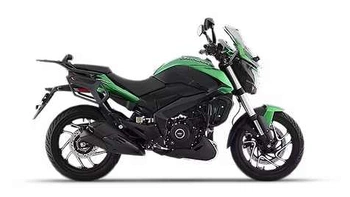
Bajaj Dominar 400
₹2.04 Lakh
Bajaj Avenger 220 Street
₹1.30 Lakh
TVS Ronin
₹1.29 - 1.62 Lakh
Bajaj Avenger 220 Street
₹1.30 Lakh
Bajaj Avenger Cruise 220
₹1.30 Lakh
Bajaj Avenger 220 Street
₹1.30 Lakh
Bajaj Avenger Street 160
₹1.12 Lakh
Bajaj Avenger 220 Street
₹1.30 Lakh
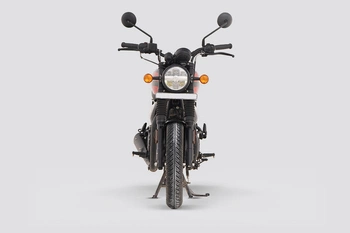
Royal Enfield Hunter 350
₹1.38 - 1.70 Lakh
Bajaj Avenger 220 Street
₹1.30 Lakh
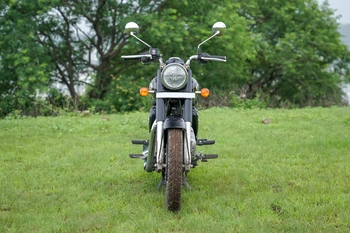
Royal Enfield Bullet 350
₹1.64 - 2.08 Lakh
Bajaj Avenger 220 Street
₹1.30 Lakh
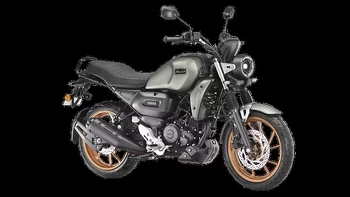
Yamaha FZ X
₹1.24 - 1.32 Lakh
Bajaj Avenger 220 Street
₹1.30 Lakh
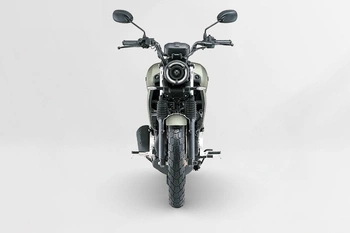
Yamaha FZ X Hybrid
₹1.43 Lakh